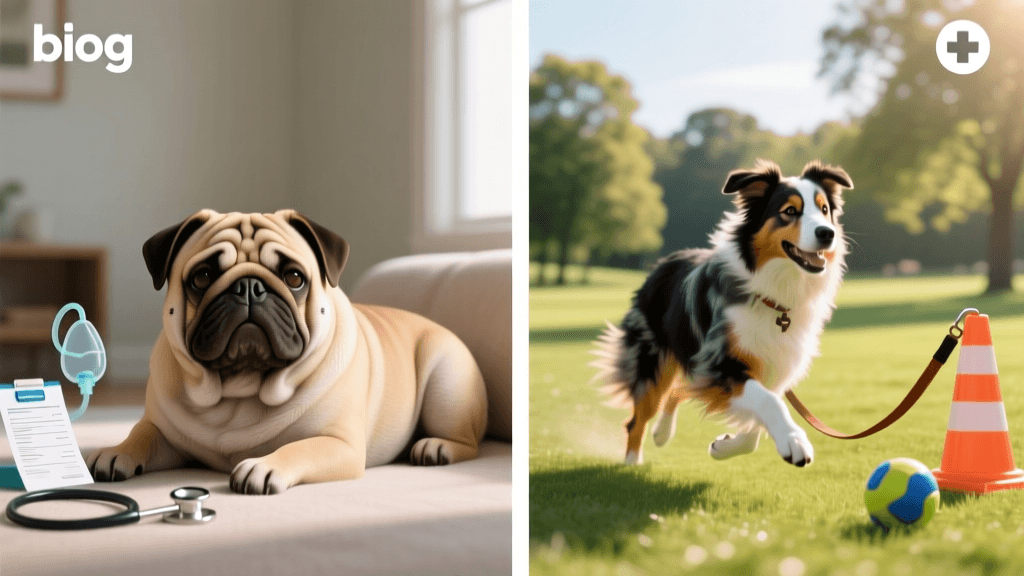
Understanding Canine Pain Signals: 2026 Health Guide
Learn to recognize subtle canine osteoarthritis pain signals. Discover actionable 2026 wellness tips, mobility aids, and vet-approved care strategies.
The Silent Language of Canine Discomfort
Dogs are profoundly expressive creatures, yet when it comes to physical discomfort, their communication style shifts from overt to deeply covert. As pet parents and canine wellness advocates in 2026, we must recognize that a dog's silence is not necessarily a sign of comfort. Canine communication regarding pain is rooted in evolutionary survival instincts, making the detection of chronic conditions like osteoarthritis a complex challenge. Understanding these subtle signals is the cornerstone of modern preventative health and wellbeing. By learning to decode the micro-expressions, postural shifts, and behavioral avoidances that dogs use to communicate distress, we can dramatically improve their quality of life and intervene before chronic pain causes irreversible joint degradation.
Evolutionary Stoicism: Why Dogs Hide Their Pain
In the wild, displaying weakness or injury makes an animal a target for predators and risks ostracization from the pack. While our domesticated dogs live in the safety of our homes, this deeply ingrained evolutionary stoicism remains intact. The WSAVA Global Pain Council emphasizes that dogs will actively mask their discomfort until it becomes unbearable. Therefore, waiting for a dog to whine, cry, or limp severely means waiting far too long. True canine communication regarding chronic pain is found in the quiet moments: the hesitation before jumping onto the couch, the slight flattening of the ears, or the reluctance to walk on slippery kitchen tiles. Recognizing these early warnings is essential for proactive veterinary care.
Decoding the Canine Grimace Scale
One of the most critical advancements in veterinary pain assessment is the widespread adoption of the Canine Grimace Scale. Originally adapted from human and feline pain models, this scale evaluates specific facial muscle tensions that indicate acute or chronic distress. When observing your dog in 2026, look closely at the following facial communication signals:
- Orbital Tightening: The eyes may appear narrower, with a distinct squinting or 'tight' look around the eyelids, even in normal lighting conditions.
- Ear Position: Ears that are typically perky or relaxed may be pulled back, flattened against the skull, or held wider apart than usual.
- Cheek Flattening: The temporal muscles may tense, causing the cheeks to appear flattened or drawn back, altering the natural contour of the dog's muzzle.
- Muzzle Tension: The lips may be pulled back slightly, or the jaw may appear clenched, sometimes accompanied by excessive, rhythmic panting when the dog is at rest.
These micro-expressions are often fleeting. Capturing them requires quiet observation when the dog believes it is alone or resting, as they will often suppress these signals when directly interacting with their owners.
Postural Shifts and Gait Alterations
Chronic pain, particularly from osteoarthritis in the hips, knees, or spine, fundamentally alters how a dog carries its weight. The American College of Veterinary Surgeons notes that dogs will redistribute their weight to protect compromised joints, leading to secondary muscle atrophy in the affected limb and compensatory strain on the healthy limbs.
The 'Sickle Hock' and Weight Shifting
Watch your dog's hind legs when they are standing still. A dog communicating hind-end pain will often shift its weight forward, tucking its pelvis under and standing with a 'sickle hock' posture. You may also notice them frequently shifting weight from one front paw to the other, or leaning heavily against walls or furniture for support.
Gait Micro-Adjustments
While a severe limp is obvious, early-stage pain signals are much subtler. Look for a shortened stride length, a slight head bob (the head rises when the painful front limb strikes the ground), or a reluctance to execute tight turns. In 2026, many advanced veterinary clinics utilize AI-driven gait analysis mats that measure ground reaction forces to the millimeter, decoding micro-limps that the human eye simply cannot process.
Behavioral Signals: When Communication Becomes Avoidance
Pain changes how a dog interacts with its environment. According to experts featured in the American Kennel Club's health resources, behavioral shifts are often the first line of communication owners notice, though they are frequently misinterpreted as 'stubbornness' or 'aging'.
- Surface Avoidance: Refusing to walk on hardwood floors, tiles, or wet grass due to a lack of traction and the fear of a painful slip.
- Sleep Architecture Disruption: Pacing at night, struggling to find a comfortable position, or sleeping in isolated, cool areas away from the family.
- Grooming Neglect: A sudden lack of interest in self-grooming, leading to a dull coat or matted fur, particularly around the hindquarters where flexibility is compromised.
- Defensive Irritability: Growling, snapping, or freezing when touched in specific areas, or when approached while resting.
Translating Signals: A 2026 Reference Chart
| Observed Behavior | Owner Misinterpretation | Actual Canine Communication | Actionable 2026 Response |
|---|---|---|---|
| Hesitating at the car door | 'They are just being stubborn.' | 'Jumping up causes sharp joint pain.' | Use a telescoping ramp with a 15-degree incline and high-traction grip. |
| Panting heavily while resting | 'The room must be too warm.' | 'I am experiencing chronic, systemic distress.' | Check resting heart rate via smart collar; consult vet for pain assessment. |
| Shaking off frequently when dry | 'Just a quirky habit.' | 'I am trying to relieve spinal or neck tension.' | Schedule a canine massage therapy session and request a spinal X-ray. |
| Slipping on kitchen tiles | 'They are just clumsy lately.' | 'My paws lack grip and my hips cannot stabilize me.' | Apply paw-grip wax and install interlocking foam mats in high-traffic zones. |
Modern Wellness Interventions and Pain Management
Once you have decoded your dog's pain signals, the next step is implementing a comprehensive, multimodal wellness strategy. The landscape of canine pain management has evolved significantly, offering highly effective, non-invasive options that preserve mobility and comfort.
Biologics and Monoclonal Antibodies
As of 2026, monoclonal antibody therapies, such as bedinvetmab (Librela), have revolutionized the treatment of canine osteoarthritis. Unlike traditional NSAIDs that can impact the liver or kidneys over time, these monthly injections specifically target Nerve Growth Factor (NGF), neutralizing the pain signals at the source before they reach the brain. This allows dogs to regain their natural mobility without the gastrointestinal side effects associated with older pharmaceuticals.
Advanced Nutraceuticals
Supplementation remains a vital pillar of joint health. Look for veterinary-formulated supplements containing undenatured type II collagen (UC-II), which has been shown to modulate the immune system's attack on joint cartilage. A daily dose of 40mg of UC-II, combined with high concentrations of EPA and DHA from marine-sourced Omega-3 fatty acids (aim for 1,000mg per 20 lbs of body weight), provides powerful anti-inflammatory support.
Environmental Modifications
Decoding pain signals means altering the environment to reduce the need for the dog to communicate distress. Invest in orthopedic memory foam beds with a minimum thickness of 4 inches to prevent joint compression during sleep. Replace slippery area rugs with high-traction, rubber-backed runners (typically costing between $40 and $80 for a standard hallway set) to provide secure footing. Raise food and water bowls to chest height to eliminate the need for painful neck flexion during meals.
Conclusion: Becoming Fluent in Canine Wellbeing
Our dogs communicate their physical state constantly, provided we know the vocabulary of their species. By shifting our perspective from waiting for obvious cries of pain to observing the subtle grimaces, postural shifts, and behavioral avoidances, we honor the deep bond we share with them. In 2026, with advanced veterinary diagnostics, targeted biologics, and a deeper understanding of canine ethology, no dog should have to suffer in silence. Pay attention to the quiet signals, consult your veterinary team proactively, and ensure your canine companion enjoys a life defined by comfort, mobility, and joy.
beth-carrasco
All our authors care for dogs every day — read more of their work on the authors page.