Brachycephalic vs Active Breeds: Health Costs Compared
Compare the lifelong health costs and veterinary needs of brachycephalic dogs versus active breeds to make an informed, healthy puppy selection.
The Hidden Realities of Breed Selection
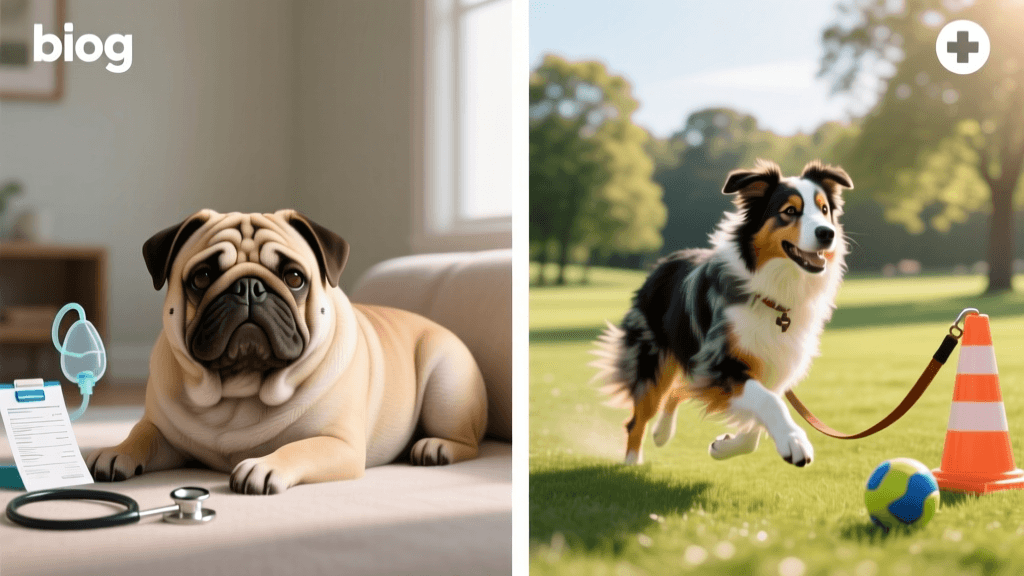
Choosing a dog is a profoundly emotional experience, often driven by aesthetics, childhood nostalgia, or the undeniable appeal of a squishy, flat-faced puppy. However, from a veterinary and long-term wellness perspective, breed selection is fundamentally a financial and medical commitment. When comparing brachycephalic (flat-faced) breeds like French Bulldogs and Pugs against mesocephalic or dolichocephalic (longer-snouted) active breeds like Labrador Retrievers and Greyhounds, the differences in lifelong health trajectories, veterinary interventions, and associated costs are staggering.
This guide provides a comprehensive, data-driven comparison to help prospective owners align their breed preferences with their financial readiness and lifestyle capabilities, ensuring the chosen dog lives a comfortable, well-supported life.
Anatomical Differences: The Physiology of the Snout
The most significant health divergence between these breed categories lies in their craniofacial anatomy. Brachycephalic breeds have been selectively bred for shortened maxillary bones, but their soft tissue structures (tongue, soft palate) remain proportionally large. This anatomical mismatch leads to Brachycephalic Obstructive Airway Syndrome (BOAS).
According to the British Veterinary Association (BVA), BOAS encompasses a range of upper airway abnormalities, including stenotic nares (narrowed nostrils), an elongated soft palate, and a hypoplastic trachea. These physical traits severely compromise a dog's ability to pant, which is a canine's primary mechanism for thermoregulation. Consequently, brachycephalic dogs are at a vastly higher risk for heatstroke, exercise intolerance, and severe sleep apnea.
Conversely, mesocephalic breeds like the Labrador Retriever or dolichocephalic breeds like the Greyhound possess elongated maxillary bones that create an expansive nasal cavity. This structure allows for efficient air filtration, humidity regulation, and rapid oxygen exchange. While active breeds are not immune to health issues—such as hip dysplasia or ligament tears—their baseline respiratory function supports a higher quality of daily life and vastly superior exercise tolerance without the constant threat of respiratory distress.
Financial Forecasting: Lifetime Veterinary Costs
Prospective owners must evaluate the 'total cost of ownership,' which extends far beyond the initial purchase price or adoption fee. The lifetime veterinary costs for a brachycephalic dog can easily double or triple those of a structurally sound active breed.
Surgical Interventions and Chronic Care
It is increasingly common for French Bulldogs and Pugs to require corrective BOAS surgery. Procedures such as laser palate resection and nostril widening typically cost between $3,000 and $5,500 in the United States, and these surgeries often need to be repeated as the dog ages and scar tissue forms. Furthermore, chronic gastrointestinal issues, including hiatal hernias and severe acid reflux (which are secondary to the extreme negative pressure created when trying to breathe), require lifelong pharmaceutical management using medications like Omeprazole or Cisapride.
Active breeds face their own financial hurdles, primarily orthopedic. A Cranial Cruciate Ligament (CCL) tear in a Labrador Retriever requires a TPLO (Tibial Plateau Leveling Osteotomy) surgery, costing between $3,500 and $4,500 per knee. However, unlike the chronic, systemic, and life-limiting nature of BOAS, orthopedic issues are generally isolated events with high success rates and full returns to mobility post-rehabilitation.
Pet Insurance Underwriting Realities
Pet insurance premiums heavily reflect breed-specific risks. Insurers like Trupanion or Healthy Paws utilize actuarial data to price policies. A comprehensive policy (covering 90% of veterinary bills with no annual caps) for a French Bulldog puppy often starts at $80 to $130 per month. In contrast, the exact same coverage for a mixed-breed or a structurally sound Greyhound may cost between $40 and $65 per month. Over a 10-year lifespan, the insurance premium differential alone can amount to over $5,000.
Comparative Health Data Table
The following table illustrates the generalized health profiles, common veterinary interventions, and estimated lifetime costs for popular breeds across both categories. Note that 'Lifetime Vet Cost' excludes routine food and grooming, focusing strictly on medical care, preventive medications, and insurance deductibles.
| Metric | French Bulldog (Brachycephalic) | Labrador Retriever (Mesocephalic) | Greyhound (Dolichocephalic) |
|---|---|---|---|
| Average Lifespan | 10 - 12 Years | 11 - 13 Years | 12 - 14 Years |
| Primary Systemic Risks | BOAS, Heatstroke, Spinal (IVDD), Allergies | Obesity, CCL Tears, Hip/Elbow Dysplasia | Osteosarcoma, Dental Disease, Bloat |
| Common Surgical Needs | Palate resection, Nostril widening, C-sections | TPLO (Knee), Hip replacement, Mass removal | Dental extractions, Bloat prophylaxis (Gastropexy) |
| Est. Lifetime Vet Cost | $15,000 - $25,000+ | $8,000 - $14,000 | $7,000 - $12,000 |
| Avg. Monthly Insurance | $95 - $130 | $55 - $75 | $45 - $65 |
Practical Selection Guide: Vetting the Breeder
If you decide to proceed with a specific breed, rigorous breeder vetting is non-negotiable. The Royal Veterinary College (RVC) emphasizes that functional breeding programs are essential to improving brachycephalic welfare. When interviewing a breeder, demand documentation for the following:
- Functional Respiratory Grading: For flat-faced breeds, ask if the parent dogs have undergone the RVC's Functional Respiratory Grading Scheme. Dogs should be graded as 'Grade 0' or 'Grade I' to be considered healthy breeding stock.
- Orthopedic Certifications: For active breeds like Labs, require proof of hip and elbow scoring from the Orthopedic Foundation for Animals (OFA). Acceptable scores should be 'Good' or 'Excellent' for hips.
- Genetic Panel Testing: Ensure parents are cleared for breed-specific hereditary conditions (e.g., Degenerative Myelopathy, Exercise-Induced Collapse) via Embark or PawPrint Genetics.
- Conformation vs. Function: Ask the breeder how they select for wider nostrils and longer muzzles within the breed standard, rather than just selecting for the flattest faces or most extreme angulations.
Essential Health Products for Your Selected Breed
Tailoring your home environment and gear to your dog's anatomical needs is a critical component of preventive wellness.
For Brachycephalic Breeds
- Harnesses over Collars: Never use a standard neck collar for leash walking, as pressure on the trachea can exacerbate respiratory distress and cause tracheal collapse. Invest in a front-clip harness like the Kurgo Tru-Fit Smart Harness (approx. $35) or the Ruffwear Front Range (approx. $40) to distribute force across the chest.
- Climatic Control: Because these dogs cannot pant efficiently, ambient temperature control is a medical necessity. Keep your home below 72°F (22°C). For localized cooling, the Arf Pets Self-Cooling Ice Mat (approx. $30) provides a safe, pressure-activated cooling surface without the risk of frostbite associated with freezing gel packs.
- Air Quality Management: Flat-faced dogs are highly sensitive to airborne irritants, which can trigger airway inflammation. Running a HEPA air purifier, such as the Levoit Core 300 (approx. $100), in the room where the dog sleeps can significantly reduce nighttime respiratory distress and snoring.
For Active and Deep-Chested Breeds
- Slow Feeders and Elevated Rest: Deep-chested breeds like Greyhounds and Labs are at high risk for Gastric Dilatation-Volvulus (GDV or Bloat). Use a slow-feeder bowl like the Outward Hound Fun Feeder (approx. $15) to prevent rapid air ingestion during meals, and enforce a strict 60-minute rest period after eating before allowing vigorous exercise.
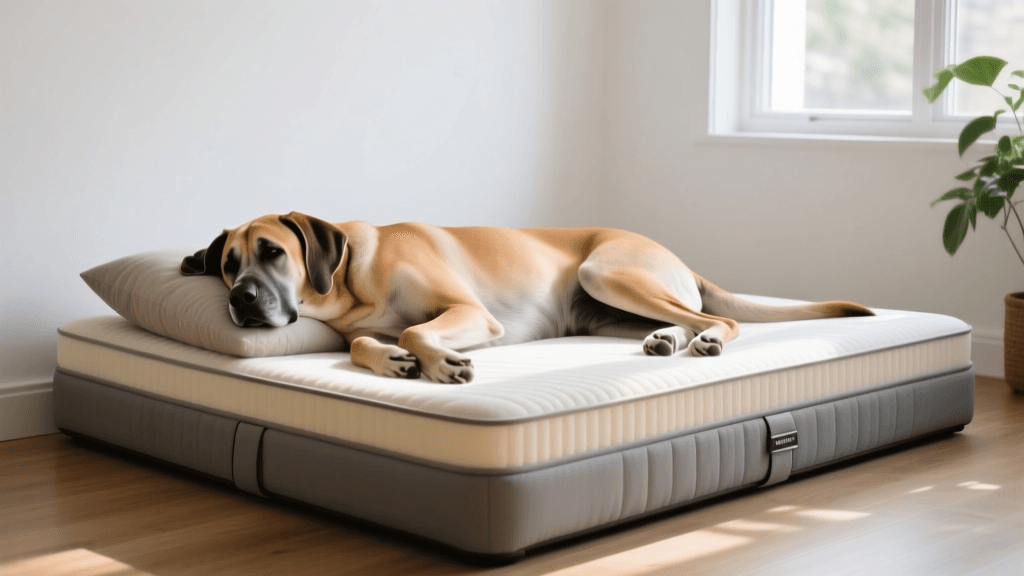
- Orthopedic Support: Large, active breeds place immense stress on their joints. Provide a high-density memory foam bed, such as the Big Barker 7-inch Pillow Top Orthopedic Dog Bed (approx. $250), which is clinically shown to reduce joint pain and improve mobility in large-breed dogs.
At-Home Monitoring: The Resting Respiratory Rate (RRR)
Regardless of the breed you select, establishing a baseline Resting Respiratory Rate (RRR) is one of the most valuable preventive health practices you can adopt. The RRC is the number of breaths your dog takes per minute while in a deep, restful sleep.
How to measure: Watch your dog's chest while they are completely asleep. Count the number of times the chest rises and falls (one rise and one fall equals one breath) over 60 seconds. A normal RRR for a healthy dog is between 15 and 30 breaths per minute. Consistently elevated RRR (above 30-40 breaths per minute while asleep) is an early indicator of underlying cardiac disease, pain, or worsening respiratory compromise, and warrants an immediate veterinary consultation.
Making the Final Healthy Choice
Selecting a dog requires balancing your heart's desires with your head's practicalities. Brachycephalic breeds offer immense companionship and unique personalities, but they demand a guardian who is financially prepared for chronic medical management and highly vigilant regarding environmental temperatures. Active, longer-snouted breeds require significant physical and mental exercise but generally offer a more resilient baseline of physiological health. By understanding the profound medical and financial implications of canine anatomy, you can make a responsible, informed selection that ensures a lifetime of wellness for your future companion.
marcus-aldridge
All our authors care for dogs every day — read more of their work on the authors page.