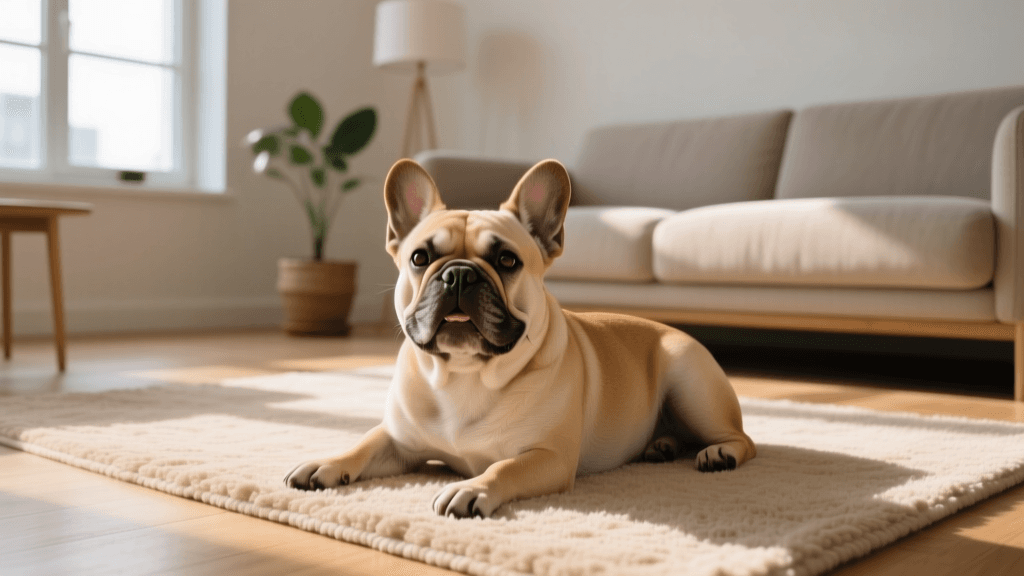
Dog-Proofing Indoors: Hidden Toxins and Safe Swaps
Discover how to dog-proof your home by identifying hidden indoor toxins in plants and cleaners. Learn safe swaps to protect your pet's health today.

The Importance of a Toxic-Free Home Environment
When we bring a dog into our lives, we often focus on outdoor hazards like traffic, wildlife, and toxic garden plants. However, the indoor environment poses just as many, if not more, hidden dangers. Dogs spend the majority of their time indoors, exploring their surroundings with their noses and mouths. According to the ASPCA Animal Poison Control Center, household chemicals, human medications, and toxic plants consistently rank among the top reasons for emergency veterinary visits. Dog-proofing your home is not just about hiding shoes and securing trash cans; it requires a fundamental audit of your indoor air quality, cleaning supplies, and decorative flora to ensure a truly safe sanctuary.
Common Houseplants That Are Toxic to Dogs
Houseplants bring life and color to our living spaces, but many popular varieties are highly toxic to canines. Ingestion can lead to gastrointestinal distress, neurological issues, or even fatal organ failure. Below is a comparison chart of common toxic houseplants and their dog-safe alternatives.
| Toxic Plant | Toxic Principle | Clinical Symptoms | Dog-Safe Alternative |
|---|---|---|---|
| Sago Palm | Cycasin | Vomiting, liver failure, seizures | Parlor Palm (Chamaedorea elegans) |
| Aloe Vera | Saponins, Anthraquinones | Vomiting, diarrhea, lethargy | Haworthia (Zebra Plant) |
| Pothos (Devil's Ivy) | Insoluble Calcium Oxalates | Oral irritation, drooling, vomiting | Peperomia obtusifolia |
| Lily of the Valley | Cardiac Glycosides | Arrhythmias, vomiting, seizures | Spider Plant (Chlorophytum comosum) |
For a comprehensive database of safe and unsafe flora, always consult the ASPCA's Toxic and Non-Toxic Plants list before bringing new greenery into your home. If you must keep a toxic plant, place it in a room that is strictly off-limits to your dog, or use ceiling-mounted hanging planters positioned at least 5 feet off the ground.
Household Cleaners: The Invisible Threat
Dogs walk barefoot across floors, lick their paws, and sleep on carpets. This means any chemical residue left behind by floor cleaners, carpet shampoos, or surface sprays is directly transferred to their skin and digestive tract.
Chemicals to Avoid
- Bleach and Ammonia: These emit harsh volatile organic compounds (VOCs) that can cause severe respiratory irritation and chemical burns to sensitive paw pads.
- Phenols (e.g., Pine-Sol, Lysol): Phenolic compounds are particularly dangerous. Dogs lack the specific liver enzymes required to metabolize phenols, leading to rapid liver damage and central nervous system depression.
- Benzalkonium Chloride: Commonly found in antibacterial wipes and sprays, this quaternary ammonium compound can cause severe oral ulceration if a dog licks a freshly wiped surface.
Safe Swaps and Actionable Recipes
Transitioning to dog-safe cleaners does not mean sacrificing hygiene. Here are practical, cost-effective alternatives:
- DIY All-Purpose Cleaner: Mix 1 part distilled white vinegar with 1 part water in a glass spray bottle. Add a drop of dog-safe chamomile extract for a mild scent. Cost: Less than $2 per batch.
- Enzymatic Cleaners: For pet stains, use enzymatic cleaners like Nature's Miracle or Rocco & Roxie (typically $15-$25 per 32oz bottle). These use natural bacteria to break down uric acid crystals without leaving toxic residues.
- Floor Mopping: Use a microfiber mop with warm water and a few drops of castile soap (like Dr. Bronner's Unscented Baby Pure-Castile Liquid Soap, approx. $18 for 32oz). Ensure the floor is completely dry before allowing your dog back into the room to prevent slip-and-fall injuries or paw pad maceration.
Essential Oils and Indoor Air Quality
The booming popularity of essential oil diffusers and plug-in air fresheners has created a new category of indoor hazards for pets. A dog's olfactory system is roughly 10,000 to 100,000 times more sensitive than a human's. What smells like a light, refreshing breeze to us can be an overwhelming, toxic cloud to a dog.
The Dangers of Diffused Oils
When essential oils are dispersed into the air via ultrasonic diffusers, micro-droplets settle on the dog's fur. When the dog grooms itself, these concentrated oils are ingested. Furthermore, inhalation can trigger asthma-like symptoms or chemical pneumonitis. Oils that are strictly toxic to dogs include:
- Tea Tree (Melaleuca)
- Eucalyptus
- Citrus (Lemon, Orange, Grapefruit)
- Pine and Ylang Ylang
The Pet Poison Helpline frequently fields calls regarding essential oil toxicity, noting that even passive diffusers can cause respiratory distress in poorly ventilated rooms. Symptoms of essential oil poisoning include drooling, vomiting, muscle tremors, and difficulty breathing.
Improving Air Quality Safely
Instead of masking odors with synthetic fragrances or dangerous oils, focus on source removal and mechanical filtration:
- HEPA Air Purifiers: Invest in a True HEPA air purifier (e.g., Coway Airmega AP-1512HH or Levoit Core 300, ranging from $90 to $250). Ensure it is rated for your room's square footage to effectively capture pet dander, dust mites, and airborne VOCs without generating ozone.
- HVAC Filters: Upgrade your home's HVAC filter to a MERV 11 or MERV 13 rating. Replace it every 60 days in homes with shedding dogs to maintain optimal airflow and filtration.
- Baking Soda: Place small, open bowls of baking soda in areas prone to odors (like near the trash or mudroom). It naturally absorbs odors without emitting VOCs or irritating a dog's respiratory tract.
Room-by-Room Dog-Proofing Checklist
To systematically secure your home, tackle one room at a time using this actionable checklist:
The Living Room
- Elevate all houseplants at least 4 feet off the ground or utilize ceiling-mounted hanging planters.
- Secure loose electrical cords using split-loom tubing or cord concealers (like JOTO Cable Management Sleeves, approx. $12 for 10 feet) to prevent chewing and fatal electrocution.
- Replace wood-burning candles with LED flameless alternatives to eliminate burn risks, fire hazards, and soot inhalation.
The Kitchen
- Install child-proof latches (such as the Safety 1st Magnetic Locking System, approx. $25 for a multi-pack) on lower cabinets housing cleaning supplies, dishwasher pods, and trash cans.
- Store toxic human foods (xylitol, grapes, onions, macadamia nuts, chocolate) on shelves at least 5 feet high or inside locked pantries.
- Ensure the dishwasher is always closed and latched, as residual food and detergent pods are highly enticing to foraging dogs.
The Bathroom and Laundry
- Keep toilet lids closed, especially if you use automatic drop-in bowl cleaners that tint the water blue and release harsh chemicals.
- Store laundry detergent pods in rigid, lockable containers. The soft texture and bright colors mimic dog toys, leading to frequent bite-and-burst ingestion incidents that cause severe chemical burns to the mouth and esophagus.
- Check behind the washer and dryer for dropped pills, lint buildup, and small objects that could be swallowed or cause intestinal blockages.
Emergency Protocol: What to Do in Case of Exposure
Despite your best efforts, accidents can happen. If you suspect your dog has ingested a toxic plant, licked a harsh chemical, or inhaled a dangerous substance, time is of the essence.
Do NOT induce vomiting unless explicitly instructed to do so by a veterinary professional. Caustic substances like bleach or petroleum-based cleaners can cause severe secondary burns to the esophagus and lungs when brought back up.
- Remove the Source: Safely separate your dog from the toxin to prevent further exposure.
- Identify the Toxin: Gather the plant clipping, cleaner bottle, or packaging. Note the active ingredients and the estimated amount ingested.
- Call for Help: Contact your local emergency veterinarian or a dedicated poison control center immediately. In the US, the ASPCA Animal Poison Control Center can be reached at (888) 426-4435, and the Pet Poison Helpline at (855) 764-7661. Note that consultation fees (typically $75-$95) may apply, but this is a critical investment in your dog's life.
- Transport Safely: Bring the toxin packaging with you to the veterinary clinic to help the medical team formulate the correct treatment plan, such as administering activated charcoal or specific antidotes.
By taking a proactive approach to your home environment, you can create a sanctuary that nurtures your dog's physical health and provides you with ultimate peace of mind. Regular audits of your indoor spaces ensure that as your dog ages or as new products enter the market, your home remains a safe, toxic-free haven.
beth-carrasco
All our authors care for dogs every day — read more of their work on the authors page.