Raw Dog Diets and Canine Anxiety: The 2026 Gut-Brain Behavior Link
Discover how raw and fresh dog diets influence the gut-brain axis to reduce canine anxiety and reactivity. Explore 2026 behavioral nutrition science.
The Hidden Link Between Your Dog’s Bowl and Their Brain
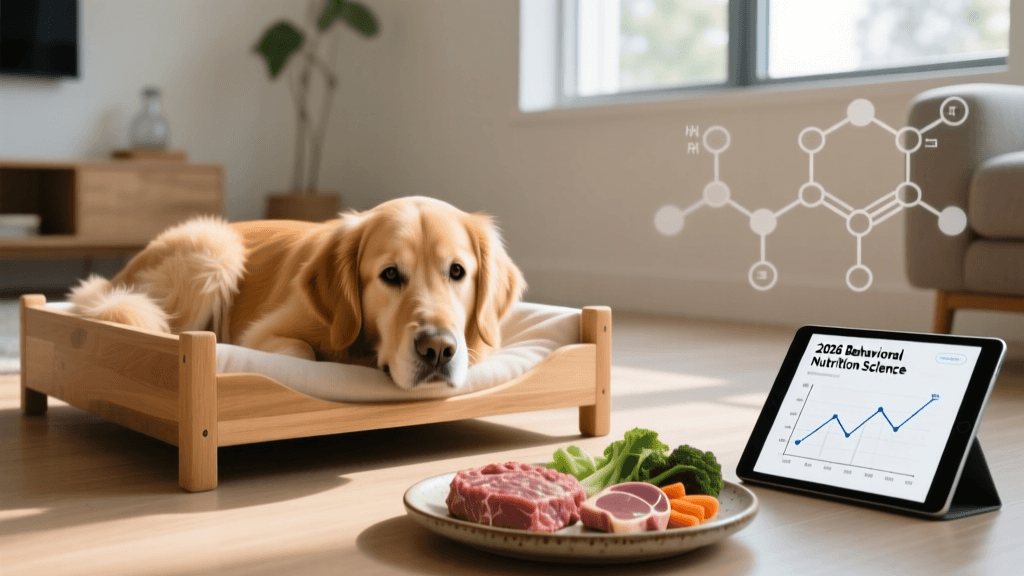
As we navigate the evolving landscape of canine behavioral science in 2026, a groundbreaking consensus is emerging among veterinary behaviorists and canine nutritionists: your dog’s reactivity, anxiety, and hyper-vigilance might not just be a training issue. It could be a microbiome issue. For decades, the "Understanding Your Dog" paradigm focused almost exclusively on environmental triggers, socialization windows, and operant conditioning. While these remain vital, the missing puzzle piece for many chronically anxious dogs lies in the gut-brain axis. Specifically, the shift toward raw, fresh, and biologically appropriate diets is fundamentally altering how we treat canine anxiety and behavioral reactivity.
When a dog suffers from chronic gastrointestinal inflammation—often caused by highly processed, extruded kibble—their nervous system remains in a state of low-grade fight-or-flight. This physiological stress directly manifests as psychological reactivity. In 2026, behavioral nutrition is no longer a fringe concept; it is a cornerstone of modern canine psychology and holistic behavior modification.
Decoding the Canine Gut-Brain Axis
The gut-brain axis is a bidirectional communication network linking the enteric nervous system (the "gut brain") with the central nervous system. The primary conduit for this communication is the vagus nerve. Astonishingly, approximately 90% of a dog's serotonin—the neurotransmitter responsible for feelings of well-being, calmness, and emotional regulation—is produced in the gastrointestinal tract, not the brain.
When a dog consumes a diet lacking in natural enzymes, diverse microbiota, and bioavailable amino acids, serotonin production plummets. According to research highlighted by the Tufts Clinical Nutrition Service, the balance of gut flora directly impacts neurochemical signaling. A dysbiotic (imbalanced) gut sends distress signals via the vagus nerve to the brain, which the dog interprets as anxiety, fear, or an inability to settle. By introducing a raw or gently cooked fresh diet, owners can actively repair this signaling pathway, effectively "rewiring" their dog's baseline emotional state.
Behavioral Red Flags of Microbiome Distress
How do you know if your dog's reactivity is rooted in their gut rather than a lack of training? In 2026, canine psychologists look for specific behavioral clusters that indicate systemic inflammation and gut distress:
- Leash Reactivity and Hyper-Vigilance: A dog that constantly scans the environment and explodes at triggers (other dogs, loud noises) often has an overactive sympathetic nervous system driven by gut inflammation.
- Obsessive-Compulsive Behaviors: Excessive paw licking, shadow chasing, or flank sucking are self-soothing mechanisms linked to gastrointestinal discomfort and poor serotonin regulation.
- Inability to "Settle": Dogs that pace relentlessly at night or cannot physically relax their muscles after a long walk are often suffering from neuro-inflammation tied to poor dietary omega-3 to omega-6 ratios.
- Coprophagia and Pica: Eating feces or non-food items is a primal instinct signaling a desperate search for missing gut enzymes and microbes.
How Raw and Fresh Diets Rewire Reactivity
Transitioning to a raw or fresh diet addresses the root physiological causes of anxiety through several targeted nutritional pathways. Unlike kibble, which is subjected to extreme heat that triggers the Maillard reaction (altering protein structures and destroying natural enzymes), raw diets preserve the bioavailability of critical behavioral nutrients.
1. Bioavailable L-Tryptophan
L-tryptophan is the essential amino acid precursor to serotonin. In raw turkey, rabbit, and free-range eggs, tryptophan is highly bioavailable. When fed fresh, it easily crosses the blood-brain barrier, promoting a natural sense of calm and increasing a dog's threshold for environmental triggers.
2. Raw Green Tripe and Natural Probiotics
Raw, unbleached green tripe is a superfood for the anxious dog. It is rich in naturally occurring digestive enzymes, prebiotics, and a diverse array of beneficial bacteria. Introducing green tripe to a dog's diet acts as a natural fecal transplant, rapidly diversifying the microbiome and calming the vagus nerve's distress signals.
3. EPA and DHA from Raw Sardines
Neuro-inflammation is a primary driver of canine aggression and fear-based reactivity. The high levels of EPA and DHA found in raw, whole sardines or fresh salmon oil cross the blood-brain barrier to reduce neuro-inflammation, allowing the dog's logical brain (the prefrontal cortex equivalent) to override the fear center (the amygdala).
Behavioral modification without a nutritional foundation is like building a house on quicksand. In 2026, we know that a dysbiotic gut actively sabotages a dog's ability to learn, process new environments, and emotionally settle.
Breed-Specific Gut Sensitivities and Anxiety
Understanding your dog also requires understanding their genetic predispositions. Certain breeds are notoriously prone to the gut-anxiety loop. German Shepherds, Doberman Pinschers, and Belgian Malinois frequently suffer from stress-induced colitis and exocrine pancreatic insufficiency (EPI). For these working breeds, the psychological pressure of their environment directly destroys their gut lining. Conversely, a raw diet rich in easily digestible, moisture-dense proteins and natural bone calcium can stabilize their digestion, which in turn dramatically lowers their baseline drive and reactivity. A German Shepherd that is no longer in chronic abdominal pain is a German Shepherd that can finally focus on its handler rather than reacting to a leaf blowing across the street.
The 2026 Fresh Diet Transition Protocol for Anxious Dogs
Rushing a diet transition can cause gastrointestinal upset, which will temporarily increase your dog's anxiety. To safely leverage the gut-brain axis, follow this structured 4-week protocol designed specifically for reactive and anxious dogs.
| Week | Diet Ratio | Gut-Brain Supplements | Behavioral Focus & Observation |
|---|---|---|---|
| Week 1 | 25% Fresh / 75% Kibble | Unflavored bone broth, plain pumpkin puree | Monitor stool consistency. Note baseline anxiety levels and sleep patterns. |
| Week 2 | 50% Fresh / 50% Kibble | Canine-specific soil-based probiotics (SBOs) | Begin low-stress counter-conditioning. Look for slight improvements in post-walk settling. |
| Week 3 | 75% Fresh / 25% Kibble | Raw green tripe (10% of meal), digestive enzymes | Test trigger thresholds. Note if recovery time from a "scary" event decreases. |
| Week 4 | 100% Fresh / Raw | Whole raw sardines (2x/week), omega-3 fish oil | Full behavioral assessment. Expect deeper REM sleep and reduced hyper-vigilance. |
Real-World Costs and Sourcing in 2026
The fresh and raw dog food market has matured significantly by 2026, making behavioral nutrition more accessible. For a 50-pound dog, feeding a commercially prepared, high-pressure processed (HPP) raw diet like WeFeedRaw or Stella & Chewy's typically costs between $6.50 and $9.00 per day. Premium fresh-cooked delivery services (like The Farmer's Dog or Nom Nom) average $8.00 to $12.00 daily.
For budget-conscious owners, home-prepped raw diets utilizing locally sourced proteins (e.g., whole chickens, turkey necks, and beef liver from a local butcher) can reduce costs to approximately $3.50 to $4.50 per day. However, the WSAVA Global Nutrition Guidelines strongly advise consulting with a board-certified veterinary nutritionist to ensure home-prepped diets meet all essential micronutrient requirements, particularly calcium-to-phosphorus ratios and trace minerals like zinc and manganese, which are vital for neurological health.
Safety, Formulation, and Veterinary Guidance
While the behavioral benefits of raw feeding are profound, safety must remain paramount. The American Kennel Club emphasizes the importance of safe handling practices to prevent cross-contamination with pathogens like Salmonella or Listeria. In 2026, many owners opt for HPP (High-Pressure Processing) raw foods, which use intense water pressure to neutralize harmful bacteria while preserving the raw cellular structure, enzymes, and bioavailability of the amino acids necessary for serotonin production.
Always introduce raw bones cautiously. For anxious dogs that tend to "inhale" their food out of resource-guarding stress, start with ground bone or calcium carbonate supplements until their psychological relationship with food shifts from scarcity to abundance. As their gut heals, you will often see a natural reduction in resource guarding behaviors.
Monitoring Psychological Shifts Post-Transition
The true test of the gut-brain behavioral link occurs between weeks 6 and 12 of a fully fresh or raw diet. Owners consistently report profound psychological shifts that traditional training alone could not achieve:
- Increased Trigger Thresholds: A dog that previously reacted to a stranger at 50 feet may now comfortably observe them at 20 feet. The brain is no longer receiving "danger" signals from an inflamed gut.
- Deeper REM Sleep: You will notice your dog twitching and "running" in their sleep more frequently. This indicates they are finally entering deep REM cycles, which are essential for emotional processing and memory consolidation.
- The "Sigh and Settle": The most rewarding behavioral marker is the spontaneous "sigh and settle." Anxious dogs rarely exhale fully. As the vagus nerve calms down through proper raw nutrition, dogs will physically drop their shoulders, exhale deeply, and choose to rest on their mats without being commanded.
Understanding your dog means looking beyond the surface of their behavior. By embracing the science of the gut-brain axis and utilizing raw, fresh, and biologically appropriate diets, we can offer our canine companions not just physical health, but profound psychological peace in an increasingly overwhelming world.
tom-renshaw
All our authors care for dogs every day — read more of their work on the authors page.