Prey Drive vs Play Drive: Selecting Breeds for Multi-Pet Homes
Understand the psychology of prey drive versus play drive to select the perfect dog breed for a multi-pet home. Expert tips and breed comparisons inside.
Introduction: The Hidden Psychology of Multi-Pet Homes
Welcoming a new dog into a household that already includes cats, rabbits, or smaller dogs is a delicate balancing act. Many pet parents rely on the hope that their animals will simply 'work it out,' but understanding the deep-seated psychological instincts of different breeds is critical for a harmonious home. The most common point of failure in multi-pet introductions is the misunderstanding of prey drive versus play drive.
While both behaviors involve chasing, wrestling, and high energy, their underlying neurological motivations are vastly different. Selecting a breed based on their instinctual drives—rather than just their appearance or size—can mean the difference between a lifelong friendship and a tragic accident. In this guide, we will decode canine predatory psychology, compare breed-specific instincts, and provide actionable, cost-effective strategies for safe multi-pet integration.
The Psychology of Prey Drive: The Predatory Motor Sequence
To understand why certain breeds struggle to live with small animals, we must look at the predatory motor sequence. Pioneered by canine researchers like Dr. Raymond Coppinger, this sequence outlines the hardwired behavioral chain that wolves and wild canines use to hunt. The full sequence is:
Eye → Orient → Stalk → Chase → Grab-bite → Kill-bite → Dissect → Consume
Through centuries of selective breeding, humans have artificially truncated or emphasized specific parts of this sequence to create the working dogs we know today. For example, herding breeds have been selected to exaggerate the 'Eye, Orient, Stalk, and Chase' phases, but the 'Grab-bite' and 'Kill-bite' have been heavily suppressed. Conversely, terriers were bred to independently hunt vermin, meaning their sequence is heavily weighted toward the 'Chase, Grab-bite, and Kill-bite' phases.
According to the American Kennel Club (AKC), prey drive is not a sign of aggression or malice; it is a deeply ingrained survival instinct. A dog exhibiting high prey drive toward a household cat is not 'mean'—they are simply responding to a neurological trigger that tells them the cat's quick, erratic movements classify it as prey.
Play Drive vs. Prey Drive: Decoding Canine Body Language
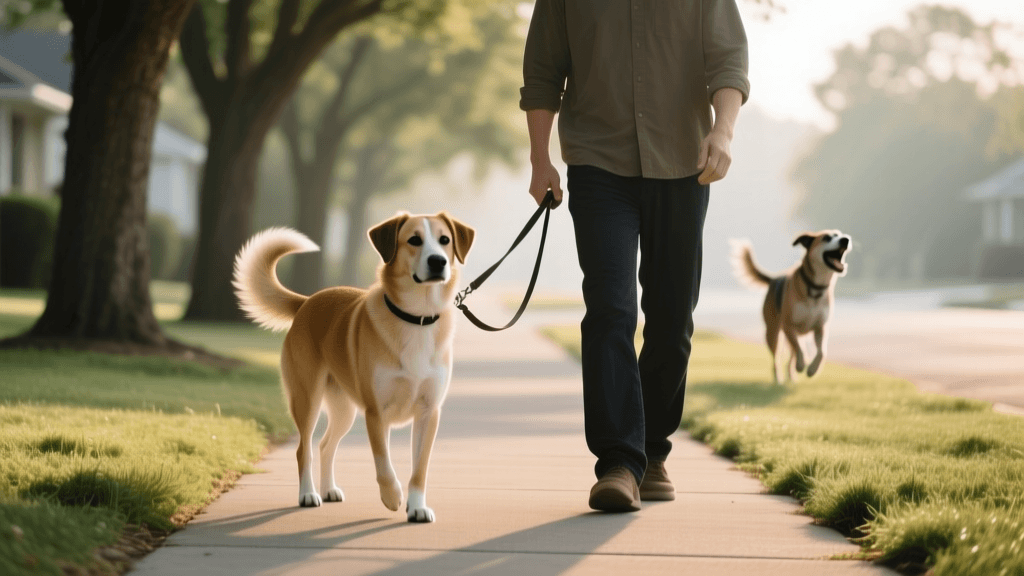
One of the most dangerous mistakes a pet owner can make is misinterpreting predatory stalking as an invitation to play. While both may result in a dog chasing a cat across the yard, the body language preceding and during the event is entirely different. Understanding these nuances is vital when evaluating a rescue dog or a puppy's reaction to smaller pets.
| Behavioral Metric | Play Drive (Safe & Social) | Prey Drive (Predatory & Dangerous) |
|---|---|---|
| Vocalization | Play bows, huffing, barking, growling | Eerie silence, low whining, or teeth chattering |
| Body Posture | Bouncy, loose, lateral movements, 'play bow' | Stiff, low to the ground, direct and linear |
| Eyes & Focus | Soft eyes, frequent breaks in eye contact | Hard stare, unblinking, dilated pupils |
| The Chase | Inefficient, self-handicapping, taking turns | Highly efficient, relentless, aiming to intercept |
| Response to Correction | Easily distracted by treats or owner's voice | Tunnel vision, ignores high-value treats or pain |
As noted by veterinary behaviorists at Texas A&M College of Veterinary Medicine, predatory drift can occur even during play. If a small dog or cat squeals in pain or fear during a playful wrestling match, it can suddenly trigger the 'kill-bite' reflex in a larger dog. This is why supervision and breed-selection are paramount.
Breed Instincts: Comparing High and Low Prey Drive Breeds
When selecting a dog for a multi-pet home, you must evaluate the breed's historical purpose. Below is a comparison of popular breed groups and how their modified predatory sequences impact their suitability for homes with cats, small mammals, or poultry.
| Breed Group | Historical Purpose | Modified Motor Sequence | Multi-Pet Suitability |
|---|---|---|---|
| Terriers (e.g., Jack Russell, Rat Terrier) | Independent vermin hunting | Chase → Grab → Kill | High Risk: Requires intense management. High likelihood of fatal incidents with small pets. |
| Sighthounds (e.g., Greyhound, Whippet) | Course hunting by sight | Eye → Chase → Grab | Moderate/High Risk: Triggered by movement. Cats that run are in extreme danger. |
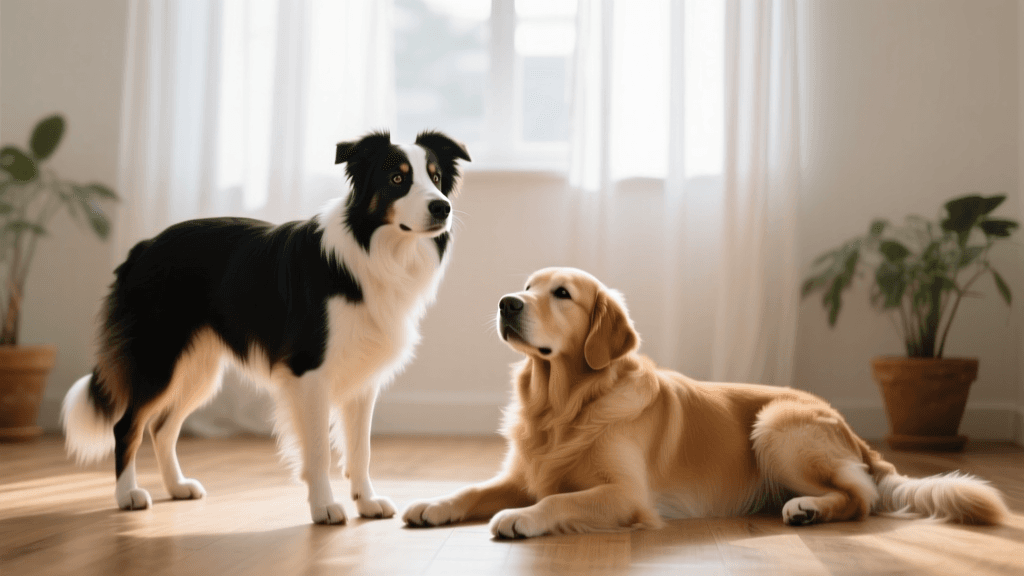
| Herding (e.g., Border Collie, Heeler) | Controlling livestock movement | Eye → Stalk → Chase | Moderate Risk: May nip at heels or stalk cats, causing chronic stress to the smaller pet. |
| Retrievers (e.g., Golden, Labrador) | Fetching downed waterfowl | Chase → Grab (Soft Mouth) | Low/Moderate Risk: Generally good with cats, but clumsy play can injure small animals. |
| Guardians (e.g., Great Pyrenees, Anatolian) | Protecting flocks from predators | Sequence largely suppressed | Low Risk: Bred to view small, fluffy animals as pack members to be protected. |
Actionable Advice for Multi-Pet Selection and Integration
If you already own a high-drive dog, or if you are selecting a breed and want to ensure a safe integration, follow these actionable, timeline-based steps.
1. The Socialization Window (Weeks 3 to 14)
If you are selecting a puppy, the prime socialization window is between 3 and 14 weeks of age. Exposing a puppy to cats, rabbits, and the sounds of small animals during this neurological development phase can help classify these animals as 'family' rather than 'prey.' However, the RSPCA warns that early socialization does not guarantee the complete erasure of genetic prey drive, especially as the dog reaches social maturity between 18 and 24 months.
2. Essential Management Tools and Costs
Do not rely on obedience alone. You must invest in environmental management tools to ensure safety when you are not actively supervising.
- Basket Muzzle ($25 - $45): Invest in a Baskerville Ultra or JAKO muzzle. These allow the dog to pant and drink but prevent biting. Muzzle conditioning should begin weeks before the first pet introduction.
- Hardware-Mounted Baby Gates ($50 - $90): Avoid pressure-mounted gates, which a 60-pound dog can easily knock over while chasing a cat. Hardware-mounted gates with cat-sized pass-throughs give the feline an escape route.
- Long-Line Leashes ($20 - $35): A 30-foot biothane long line allows you to practice emergency recalls in the yard without giving the dog enough slack to reach the cat if they break their 'stay' command.
3. Professional Behaviorist Intervention
If your dog exhibits hard staring, whining, or lunging at the sight of your cat, bypass general obedience trainers and seek a certified applied animal behaviorist (CAAB) or a veterinary behaviorist. Expect to pay between $150 and $300 per hour for specialized desensitization and counter-conditioning protocols. This is a necessary investment to prevent fatal accidents and the emotional trauma of rehoming.
Conclusion
Understanding the psychological divide between play drive and prey drive is the cornerstone of successful breed selection for multi-pet households. By respecting the predatory motor sequence and choosing a breed whose historical instincts align with your household's makeup, you set the stage for a peaceful, integrated family. Always prioritize environmental management, read your dog's body language objectively, and never leave high-drive breeds unsupervised with vulnerable pets.
robin-maitland
All our authors care for dogs every day — read more of their work on the authors page.