Using Raw Diet Rewards For Advanced Recall Training 2026
Discover how to use raw green tripe, fresh sardines, and freeze-dried liver to master advanced recall training with your dog in 2026.
The Intersection of Fresh Nutrition and Canine Obedience
As the fresh and raw pet food market continues its massive expansion in 2026, more dog owners are discovering the profound benefits of species-appropriate nutrition. From shinier coats to improved digestion, the advantages of feeding a raw or gently cooked fresh diet are well-documented. However, one of the most powerful—yet frequently overlooked—benefits of a raw diet is its application in advanced behavioral conditioning. Specifically, utilizing raw and fresh food components as high-value rewards can completely transform your dog's reliability in advanced recall training.
Recall, or the 'come when called' command, is arguably the most critical safety behavior your dog will ever learn. In high-distraction environments, standard kibble or processed commercial treats often fail to compete with the allure of squirrels, other dogs, or intriguing scents. By leveraging the intense olfactory profile and biological appropriateness of raw meats and fresh proteins, you can create a motivational currency that your dog simply cannot ignore. This guide explores how to strategically use raw diet rewards to build a bulletproof recall in 2026.
The Science of Scent and Motivation
To understand why raw foods make superior training rewards, we must look at canine biology. Dogs possess up to 300 million olfactory receptors in their noses, compared to our mere six million. The olfactory bulb in a dog's brain is proportionally 40 times larger than ours. When you offer a piece of dry, extruded kibble, the scent profile is relatively muted. Conversely, raw meat, organs, and fresh fish emit volatile organic compounds that trigger a dog's innate predatory drive and foraging instincts.
According to veterinary behaviorists, training is most effective when the reward matches or exceeds the value of the distraction. If your dog is distracted by the scent of a wild rabbit, you need a reward that smells equally compelling. Raw proteins provide that exact biological trigger, making them the ultimate tool for proofing behaviors in challenging environments.
The 2026 Raw Reward Hierarchy
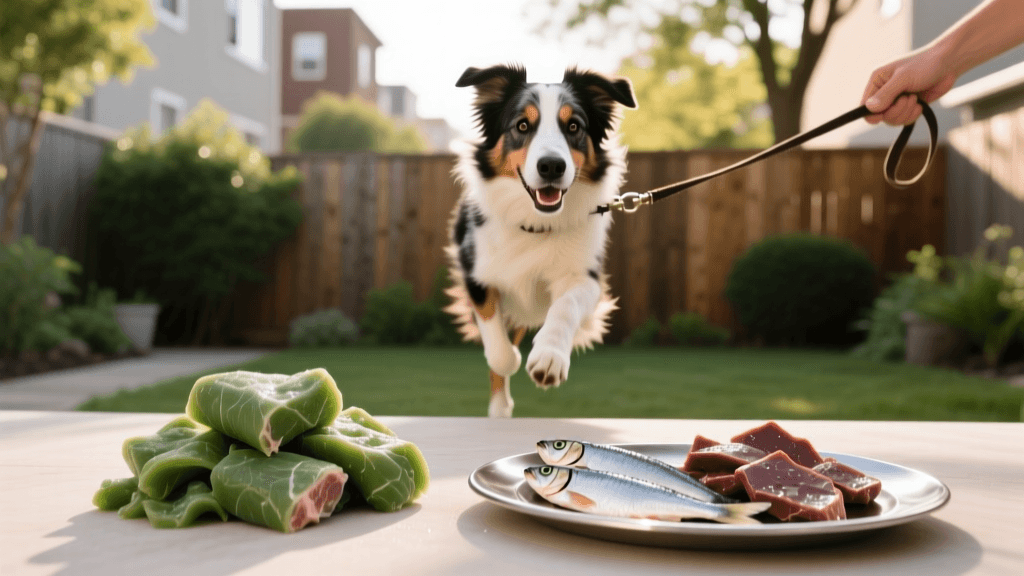
Not all raw ingredients are created equal when it comes to training. You need a hierarchy of rewards based on scent intensity, ease of handling, and caloric density. Here are the top raw and fresh rewards to incorporate into your training pouch this year:
- Raw Green Tripe: The undisputed king of high-value rewards. Unbleached, raw green tripe has a notoriously pungent odor that humans find repulsive but dogs find absolutely intoxicating. It is best reserved for the highest level of distractions, such as off-leash park recalls or emergency whistle training.
- Freeze-Dried Beef Liver: While technically dehydrated, freeze-dried raw liver retains the exact scent profile and nutritional matrix of fresh raw liver. It is incredibly easy to handle, doesn't leave your fingers greasy, and can be broken into tiny, pea-sized pieces for rapid-fire reward delivery.
- Fresh Sardines: Whole fresh or thawed frozen sardines are phenomenal rewards. Beyond their strong scent, they are packed with Omega-3 fatty acids (DHA and EPA), which veterinary nutritionists note are crucial for cognitive function and reducing neuro-inflammation, keeping your dog's brain sharp during long training sessions.
- Raw Heart Chunks: Lean, nutrient-dense, and highly palatable. Beef or lamb heart is excellent for repetitive recall drills where you need to deliver multiple rewards without overloading your dog with fat.
Raw Reward Comparison Chart
| Reward Type | Scent Intensity | Motivation Level | Handling Ease | Best Training Scenario |
|---|---|---|---|---|
| Raw Green Tripe | Extreme | Maximum | Low (Messy) | Emergency recall, extreme distractions |
| Freeze-Dried Liver | High | Very High | High (Clean) | Rapid-fire reps, long-line training |
| Fresh Sardines | High | High | Medium | Cognitive tasks, scent work, jackpots |
| Raw Heart Chunks | Medium | Medium-High | Medium | Low-distraction drills, foundational reps |
Step-by-Step: Conditioning the Recall with Fresh Meat
Transitioning to raw rewards requires a structured approach to ensure your dog doesn't just become opportunistic, but truly understands the command. The American Kennel Club emphasizes that recall must be built in stages, gradually increasing distance and distraction. Here is how to integrate raw rewards into this progression.
Phase 1: The Indoor Foundation
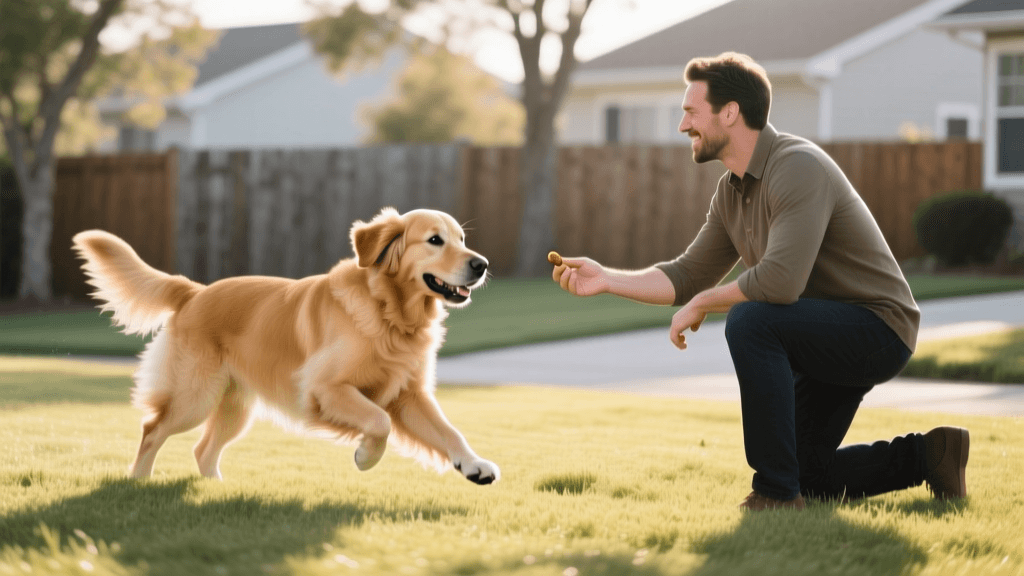
Begin in a low-distraction environment like your living room. Use a medium-value raw reward, such as small cubes of raw heart or a commercial fresh food topper (like those from Nom Nom or We Feed Raw). Say your dog's name followed by your recall cue ('Come!'). When they arrive, deliver the treat directly to their mouth alongside enthusiastic praise. Repeat this 10 to 15 times per session to build a strong positive association with the cue.
Phase 2: The Long-Line Proofing
Move to a fenced yard or quiet field and attach a 30-foot biothane long line. Biothane is highly recommended in 2026 as it doesn't absorb raw meat juices or odors like nylon does. Introduce the freeze-dried beef liver here. Call your dog away from mild distractions (like sniffing a bush). If they ignore the cue, do not repeat the command; instead, gently reel them in using the long line, then reward them when they reach you. This teaches them that the recall is non-negotiable, but compliance always yields a high-value raw reward.
Phase 3: The 'Jackpot' Off-Leash Recall
Once your dog is reliably responding on the long line, you can begin off-leash proofing in secure areas. This is where you deploy the 'jackpot' reward: raw green tripe or a whole fresh sardine. Call your dog away from a high-value distraction, such as playing with another dog. When they arrive, deliver a massive jackpot of tripe. The sheer biological value of the reward will rewire their brain to view returning to you as more profitable than continuing their current activity.
Managing Caloric Intake: The 'Deduct from Dinner' Rule
One of the most common concerns among raw feeders is the caloric impact of using high-value meats for training. Obesity is a leading cause of joint issues and reduced lifespan in dogs. To prevent overfeeding, you must strictly follow the 'Deduct from Dinner' rule.
Training treats should never exceed 10% of your dog's total daily caloric intake. If you are feeding a commercially prepared raw diet like Darwin's Natural Pet Products or Stella & Chewy's, calculate the calories in your training pouch before the session. Weigh out the raw liver or heart chunks, and then physically remove that exact weight from your dog's evening dinner ration. This ensures your dog receives the mental stimulation and training benefits of the raw rewards without compromising their carefully balanced nutritional profile or causing unwanted weight gain.
Safety and Handling of Raw Training Treats
While raw diets offer immense training benefits, they require strict hygiene protocols to protect both you and your dog from foodborne pathogens. The U.S. Food and Drug Administration outlines specific guidelines for handling raw pet food to minimize the risk of Salmonella and Listeria contamination.
When training with raw meats, always use a dedicated, washable silicone or insulated treat pouch. In 2026, many modern training pouches feature removable, dishwasher-safe silicone liners specifically designed for raw and fresh food handlers. Keep raw treats like green tripe or fresh sardines chilled using small ice packs inside the pouch, especially during warm-weather outdoor sessions. Always wash your hands thoroughly with soap and warm water immediately after a training session, and sanitize your treat pouch daily. Furthermore, veterinary nutrition experts at institutions like Tufts Cummings Veterinary Medical Center recommend sourcing raw ingredients from reputable suppliers that utilize High-Pressure Processing (HPP) to eliminate harmful bacteria while preserving the raw nutritional integrity and scent profile that makes these treats so effective for training.
Conclusion
Mastering advanced recall training requires patience, consistency, and a reward system that speaks directly to your dog's biological instincts. By stepping away from processed kibble and embracing the potent, species-appropriate allure of raw green tripe, freeze-dried liver, and fresh sardines, you can elevate your training sessions from a chore to an irresistible game. When managed safely and balanced correctly within your dog's daily fresh diet, raw rewards are the ultimate key to unlocking a reliable, enthusiastic, and life-saving recall.
tom-renshaw
All our authors care for dogs every day — read more of their work on the authors page.