Training Quiet Apartment Dog Breeds: 2026 Methods
Learn 2026 training methods for quiet apartment dog breeds. Master bark inhibition, mat settling, and indoor enrichment for low-vocal pups in small spaces.
The Myth of the Zero-Training Quiet Dog
When urban dwellers search for the best canine companions for high-density living, quiet dog breeds for apartments are consistently at the top of the list. Breeds like the Basenji, Greyhound, Shiba Inu, and Basset Hound are famous for their low-vocalization tendencies. However, a pervasive and dangerous myth in the dog ownership community is that quiet breeds require less training. In 2026, with apartment complexes becoming denser and noise ordinances stricter, relying solely on a breed's genetic predisposition for silence is a recipe for behavioral fallout.
Even the most naturally silent dogs can develop nuisance barking, alert barking, or severe separation anxiety if their environmental needs are not met. Training a quiet breed in an apartment is not about teaching them to speak less; it is about teaching them how to process high-density environmental triggers—such as hallway footsteps, elevator dings, and neighboring wall thumps—without resorting to stress-induced vocalization or destructive behaviors. This comprehensive guide outlines the most effective, modern training protocols for maintaining peace and mental well-being for quiet breeds in apartment settings.
Top Quiet Apartment Breeds and Their Training Profiles
Before diving into specific training protocols, it is crucial to understand that 'quiet' does not mean 'low energy' or 'low maintenance.' Each breed has unique triggers that can lead to behavioral issues in an apartment if left untrained. Below is a comparison of popular quiet breeds and their specific training requirements for small spaces.
| Breed | Vocalization Level | Primary Apartment Training Challenge | Best Training Approach |
|---|---|---|---|
| Basenji | Low (Yodels/Baroos) | Destructive boredom, escaping, climbing | High-intensity scent work, advanced puzzle feeders |
| Greyhound | Very Low | Door-darting, sensitivity to loud noises | Mat-settle training, desensitization to sudden sounds |
| Shiba Inu | Low (Screams if stressed) | Stubbornness, leash reactivity, alert barking | High-value reward engagement, window-blocking protocols |
| Basset Hound | Low (Bay/Howls) | Separation anxiety, stubbornness, scent tracking | Indoor sniffaris, long-duration chew enrichment |
The 2026 Mat-Settle Protocol for High-Density Living
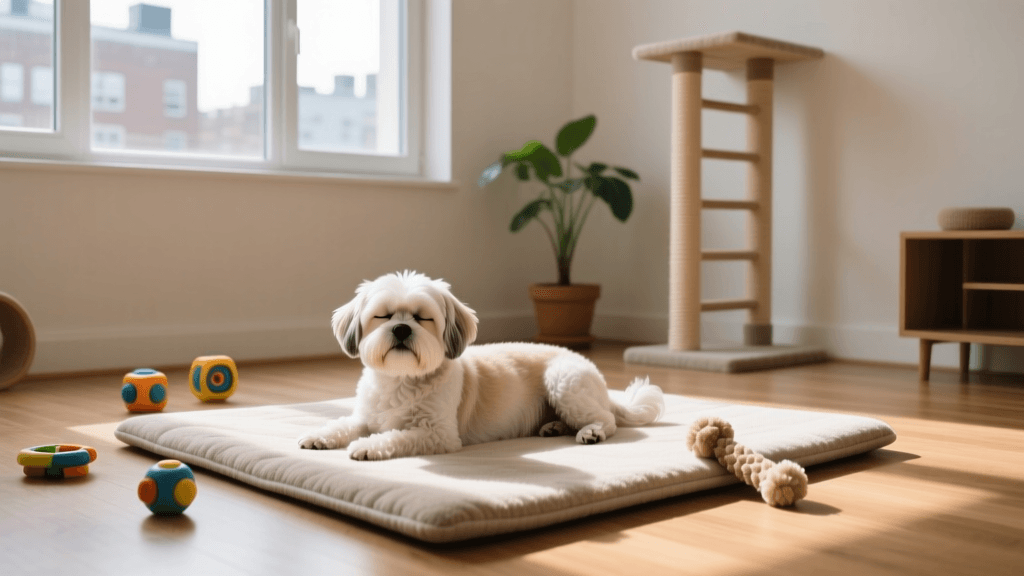
For apartment dogs, having a designated 'safe zone' is critical. The mat-settle protocol is the cornerstone of indoor training for quiet breeds. It teaches the dog to voluntarily disengage from environmental triggers (like a knock at the door) and retreat to a specific mat or bed. This is especially vital for breeds like the Greyhound or Shiba Inu, who may become visually or auditorily fixated on apartment stimuli.
Step 1: Introduction and Shaping
Choose a high-quality, orthopedic mat that contrasts visually with your flooring. Place the mat in a low-traffic corner of your apartment. The moment your dog looks at the mat, mark the behavior with a clicker or a verbal 'yes' and toss a treat onto the mat. Repeat this until the dog steps onto the mat to get the treat. Do not use a physical cue like 'go to your bed' yet; simply shape the physical action of stepping onto the mat.
Step 2: Building Duration and the 'Settle' Cue
Once the dog reliably steps onto the mat, delay the reward. Wait for one second, then two, then five. Begin to reward calm, relaxed body language—specifically when the dog offers a 'down' position or rests its chin on its paws. Introduce the verbal cue 'settle' or 'mat' only when the dog is consistently offering this relaxed posture. In 2026, many trainers recommend using smart treat-dispensing cameras to remotely reward the 'settle' behavior when you are in another room, reinforcing the dog's ability to remain calm without your direct physical presence.
Step 3: Adding Apartment Triggers
This is where the protocol becomes apartment-specific. Have a friend walk heavily down the hallway outside your door, or play a recording of elevator dings and muffled talking at a low volume. If your dog remains on the mat, reward heavily. If they break the settle, calmly guide them back without offering a treat, and lower the intensity of the trigger. The goal is to rewire the dog's emotional response to apartment noises from 'alert/investigate' to 'relax on the mat.'
Managing Alert Barking in Thin-Walled Apartments
Even quiet breeds will occasionally bark to alert their owners of perceived intruders. In an apartment, a single bark can echo through shared walls and lead to noise complaints. According to the ASPCA's guidelines on dog barking, alert barking is a natural behavior that should be managed through acknowledgment and redirection rather than punishment.
The 'Thank You' Protocol
When your Shiba Inu or Basset Hound barks at a noise in the hallway, avoid yelling 'quiet' or 'no,' which the dog often interprets as you barking along with them. Instead, use the 'Thank You' protocol:
- Acknowledge the Trigger: Calmly walk to the door or window, look out, and say a consistent phrase like, 'Thank you, I see it, all clear.'
- Physical Block: Step between the dog and the door/window, breaking their line of sight.
- Redirect to the Mat: Give the 'settle' cue and direct them to their mat.
- Reward Disengagement: Once they are on the mat and silent, provide a long-lasting chew or a lick mat to encourage licking, which naturally releases endorphins and lowers the dog's heart rate.
Consistency with this protocol teaches the dog that their job is to notify you, but once you have acknowledged the threat, their job is done, and they can clock out and relax.
AI Cameras and Remote Reinforcement
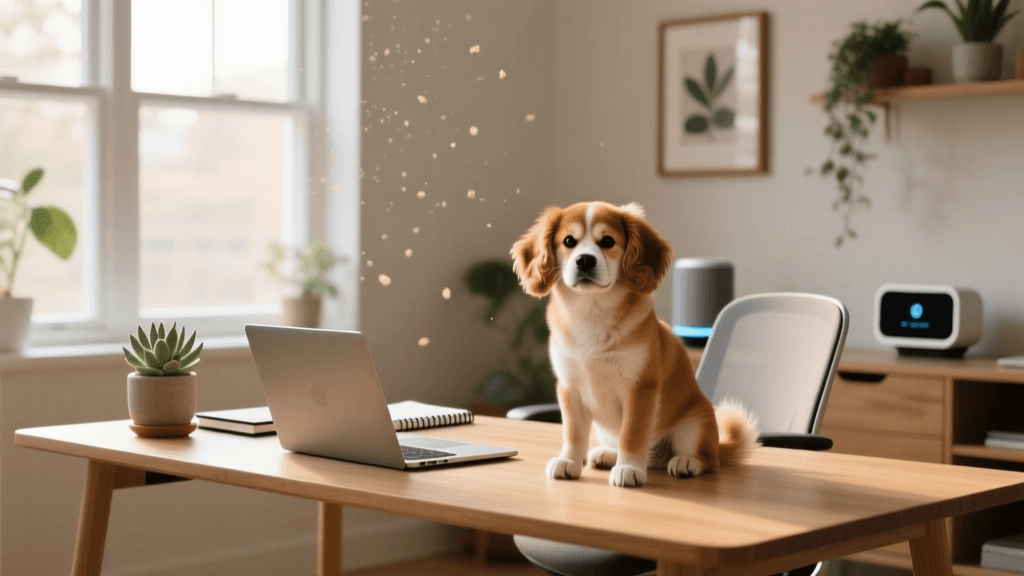
The landscape of dog training has evolved significantly by 2026, with AI-enhanced pet cameras becoming a standard tool for apartment dwellers. These devices can differentiate between a dog resting quietly and a dog pacing or whining. For quiet breeds prone to separation anxiety—a common trigger for uncharacteristic howling or barking when left alone in an apartment—these cameras allow owners to intervene before the behavior escalates.
If your Basenji begins to pace or vocalize shortly after you leave for work, you can use the camera's two-way audio to provide a calm verbal reassurance, followed by tossing a treat via the device's dispenser. This interrupts the anxiety loop and rewards the dog for settling back down. However, it is crucial to use these devices to reward quiet behavior, not to constantly interact with the dog, which can create a dependency on your virtual presence.
Indoor Enrichment to Prevent Boredom Barking
A quiet dog is often just an under-stimulated dog waiting for an outlet. If a high-energy but low-vocal breed like a Greyhound or a scent-driven Basset Hound does not receive adequate mental stimulation, they will find their own entertainment, which often results in destructive chewing or low-frequency, repetitive barking. The Humane Society's barking resources emphasize that environmental enrichment is one of the most effective ways to curb nuisance behaviors born from boredom.
Apartment-Friendly Enrichment Strategies
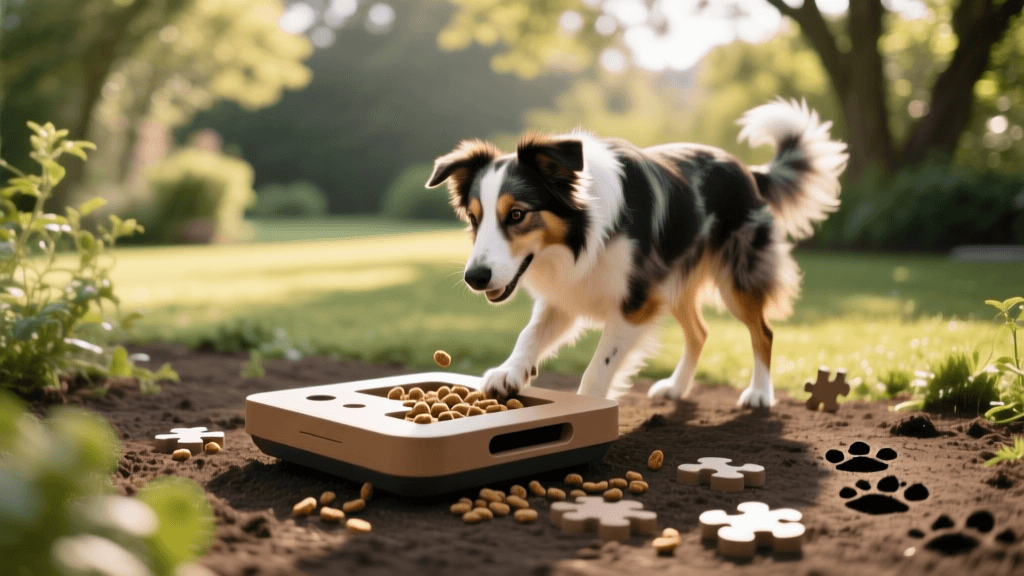
- Indoor Sniffaris: Scatter your dog's daily kibble across a snuffle mat or hide it in folded towels around the apartment. Scent work tires a dog's brain out faster than a physical walk, making it ideal for small spaces.
- Frozen Lick Mats: Spread dog-safe yogurt, pureed pumpkin, or bone broth on a textured silicone mat and freeze it. The act of licking is self-soothing and can keep a dog occupied for 30-45 minutes while you work from home.
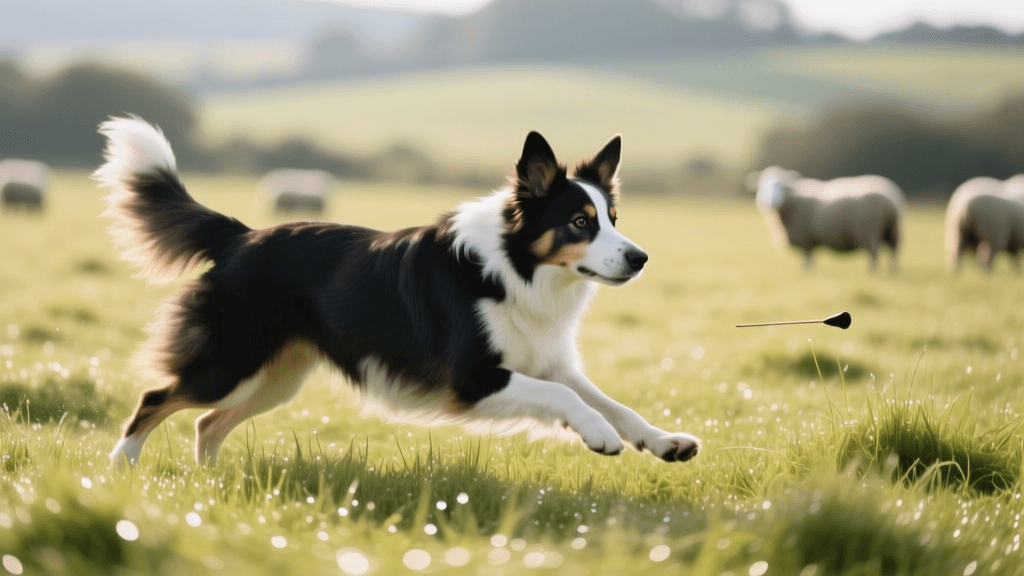
- Flirt Poles in the Living Room: For breeds that need a physical burst of energy but cannot run off-leash, a flirt pole used in a cleared living room space provides intense physical exercise and impulse control training (teaching the dog to 'drop' or 'wait' before chasing).
Conclusion: Proactive Training for Lasting Peace
Choosing a quiet dog breed is an excellent first step for apartment living, but it is only the foundation. The true secret to a harmonious high-density living situation in 2026 lies in proactive, empathetic training. By implementing the mat-settle protocol, utilizing the 'Thank You' method for alert barking, and providing rigorous indoor mental enrichment, you can ensure that your naturally quiet companion remains a well-adjusted, stress-free, and genuinely silent neighbor. Remember, training is not about suppressing your dog's natural instincts; it is about giving them the tools to navigate a complex urban environment with confidence and calm.
jonas-cole
All our authors care for dogs every day — read more of their work on the authors page.