Border Collie Training: Mastering Herding Instincts & Focus
Discover breed-specific Border Collie training techniques to channel herding instincts, prevent nipping, and provide essential mental stimulation.
Understanding the Border Collie Mind
Border Collies are widely celebrated as the most intelligent dog breed in the world. According to the American Kennel Club, this breed was developed specifically for herding livestock in the hilly border country between England and Scotland. Their intelligence, however, is a double-edged sword. A Border Collie does not just learn commands; they learn routines, environmental cues, and your subtle body language. Training a Border Collie requires moving beyond basic obedience and diving deep into breed-specific behavioral conditioning. This deep dive will explore how to channel their intense herding instincts, prevent neurotic behaviors, and build a structured training regimen that fulfills their genetic drive.
The Genetics of the Gather: Why They Stare
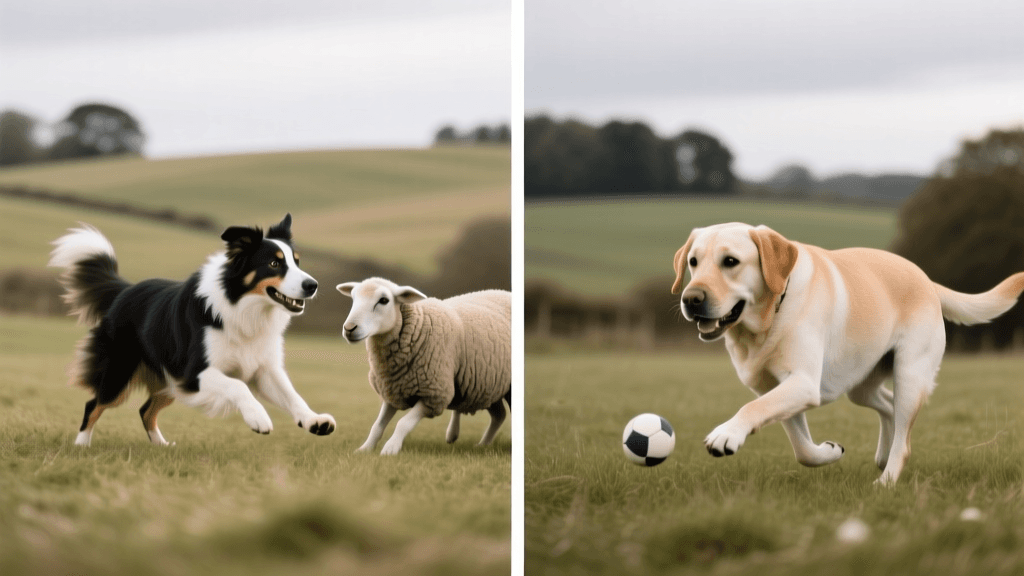
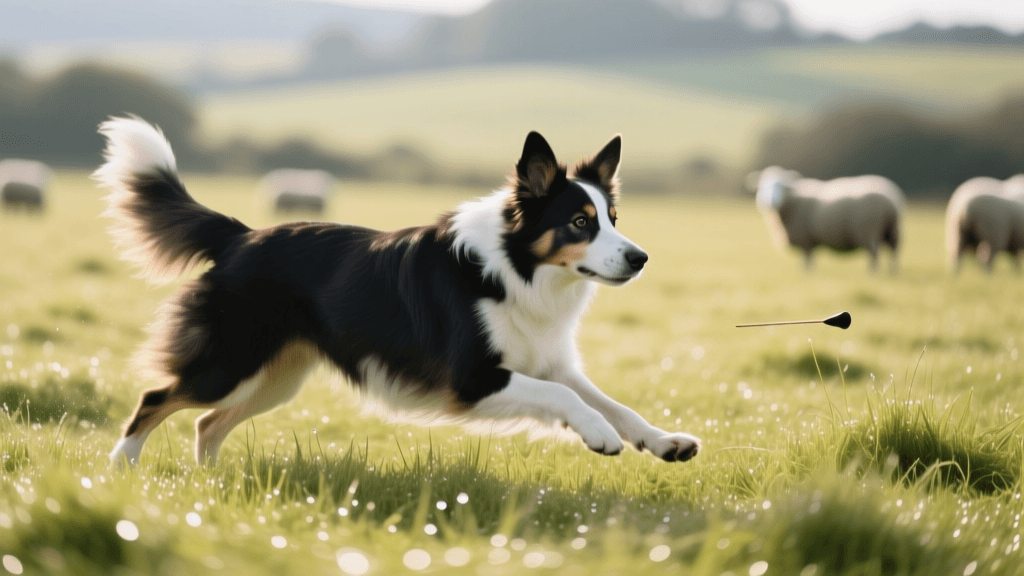
To train a Border Collie effectively, you must understand their predatory motor sequence. While most dogs possess the sequence of eye, orient, stalk, chase, grab-bite, kill-bite, Border Collies have been selectively bred to hyper-develop the eye and stalk phases while suppressing the grab-bite. This results in the famous "Border Collie stare"—an intense, crouching focus used to control the movement of sheep. In a domestic setting, this instinct often misfires. Your Collie may stalk your children, stare obsessively at shadows, or attempt to "herd" bicycles and cars. Recognizing that these behaviors are genetic imperatives, not disobedience, is the first step in effective breed-specific training.
Core Training Challenges: Nipping and Chasing
Because their herding style involves controlling movement, Border Collies frequently resort to nipping at heels to stop or direct their "flock" (which often includes toddlers or other pets). If your puppy or adult dog is exhibiting this behavior, it is crucial to redirect the bite inhibition immediately. As noted in the AKC's expert guide on stopping puppy biting, teaching an alternative behavior is far more effective than punishment. When the dog nips, immediately cease all movement (becoming a boring, stationary object) and redirect their mouth to a high-value chew toy. Consistency in this 3-second feedback loop is vital for rewiring their impulse to nip moving targets.
Actionable Impulse Control Drills
1. The "Place" Command for Settling
Border Collies struggle to turn their brains off. The "Place" command teaches them to relax on a designated mat. Use a raised cot (like the Coolaroo Elevated Pet Bed, approx. $45) to provide a clear physical boundary. Timing: Start with 5-second holds, rewarding heavily with soft treats like Zuke's Mini Naturals ($6/bag). Gradually increase the duration to 15-minute settling sessions while you watch TV or work. This conditions the dog to understand that "doing nothing" is a rewarded job.
2. The "Leave It" Protocol for Moving Targets
To curb car-chasing or bicycle-lunging, you must build a rock-solid "Leave It" cue. Attach your dog to a 30-foot biothane long line ($25-$40) for safety. Have a family member ride a bicycle or roll a ball at a distance of 50 feet. The moment your dog fixes their gaze on the object, say "Leave It." If they look back at you, mark with a clicker and reward with high-value chicken. If they lunge, the long line prevents the chase, and you reset. Slowly decrease the distance over several weeks of daily 15-minute sessions.
Essential Gear for Border Collie Training
- Flirt Pole (Outward Hound Tail Teaser, ~$15): Excellent for burning off intense chase-drive energy in a controlled manner while practicing "drop it" commands.
- Clicker (Karen Pryor i-Click, ~$8): Border Collies are highly responsive to marker training. The sharp click cuts through environmental distractions better than verbal markers.
- Treat Pouch (Ruffwear Treat Trader, ~$35): Allows for rapid-fire treat delivery during complex shaping sessions without fumbling with zippers.
- Snuffle Mat (Paw5 Wooly Snuffle Mat, ~$40): Forces the dog to use their nose, engaging the olfactory lobe and providing immense mental fatigue.
Structuring the Day: Physical vs. Mental Exercise
A common mistake owners make is trying to physically exhaust a Border Collie. You cannot outrun a dog bred to cover 50 miles a day in rugged terrain. Instead, you must prioritize mental fatigue. Below is a comparison chart to help you structure your dog's daily enrichment.
| Exercise Type | Duration | Energy Burn | Mental Stimulation |
|---|---|---|---|
| Free Fetch (Tennis Ball) | 30 Minutes | High | Low |
| Scent Work / Sniffari | 20 Minutes | Low | Extremely High |
| Agility Course Run | 15 Minutes | Extremely High | High |
| Treibball (Herding Balls) | 25 Minutes | Medium | Extremely High |
| Obedience Shaping | 10 Minutes | Low | High |
"A tired Border Collie is a good Border Collie, but a mentally fulfilled Border Collie is a happy one. Physical exhaustion without mental engagement often leads to neurotic behaviors like shadow-stalking or fly-snapping."
Advanced Job Training: Treibball and Agility
If you do not live on a farm with sheep, your Border Collie still needs a "job." Treibball, often called "urban herding," is a phenomenal alternative. This sport involves the dog herding large exercise balls (typically 24-inch to 45-inch diameter yoga balls, costing $15-$25 each) into a designated goal net using only their nose and shoulders. It perfectly mimics the gather and drive phases of herding without the need for livestock. The Border Collie Society of America highly encourages owners to explore working trials, agility, and herding clinics to keep the breed's working heritage alive in a safe, controlled environment.
Socialization and Preventing Reactivity
Border Collies are notoriously sensitive to their environment and can easily develop sound phobias or visual reactivity if not properly socialized during their critical fear periods (typically between 8-11 weeks and 6-14 months). Expose your dog to varied surfaces (gravel, metal grates, wet grass), strange noises (umbrellas opening, machinery), and diverse groups of people. Always pair novel experiences with high-value treats to build positive associative learning. Avoid overwhelming them; if your Collie shows signs of stress (lip licking, whale eye, tucked tail), increase your distance from the stimulus immediately.
Final Thoughts
Training a Border Collie is a profound commitment to their physical and psychological well-being. By leaning into their genetic predispositions rather than fighting them, you can transform frustrating herding behaviors into impressive, cooperative skills. Focus on impulse control, prioritize mental enrichment over endless physical fetch, and provide a structured "job" to keep their brilliant minds engaged. With patience, consistency, and breed-specific strategies, your Border Collie will become an unparalleled companion and a joy to work with.
jonas-cole
All our authors care for dogs every day — read more of their work on the authors page.