Best Puppies for Remote Workers 2026: Training Guide
Discover the best puppy breeds for remote workers in 2026 and learn specific quiet-training protocols to keep your home office peaceful and productive.
The New Reality of Remote Work and Puppies in 2026
As we navigate the professional landscape of 2026, remote and hybrid work models have solidified into permanent fixtures of the global economy. For many professionals, the home office is no longer just a place to answer emails; it is a primary hub for deep work, virtual collaborations, and high-stakes video conferences. Naturally, this shift has led to a surge in remote workers adopting puppies to provide companionship during long, isolated workdays. However, bringing a puppy into a home office environment presents unique behavioral challenges. A puppy that barks at every Slack notification or demands attention during a Zoom presentation can quickly derail your productivity and professional image.
The secret to a harmonious home office isn't just about picking a cute dog; it is about selecting a breed with the right genetic predispositions for quiet independence and then applying targeted training protocols. In this comprehensive 2026 guide, we will explore the best puppy breeds for remote workers and break down the exact training methodologies required to mold them into the perfect, unobtrusive office companions.
Why Breed Selection Dictates Training Success
While every dog is an individual, genetics play a massive role in how easily a puppy adapts to a home office environment. Breeds originally developed for vocal alerting (like many terriers) or high-energy herding (like Border Collies) require immense amounts of physical and mental stimulation. If you are working an eight-hour shift at your desk, these breeds are likely to develop destructive behaviors or excessive vocalization out of sheer boredom.
According to the American Kennel Club, understanding a breed's historical purpose is the first step in successful behavioral conditioning. For remote workers, the ideal breeds possess a natural 'off-switch,' low vocalization tendencies, and a desire to be near their owners without constantly demanding active engagement. By selecting a breed with these traits, your training efforts shift from exhausting behavior suppression to simple boundary setting.
Top 4 Puppy Breeds for the Home Office
1. Cavalier King Charles Spaniel
The Cavalier is arguably the ultimate home office companion. Bred specifically to be lap warmers and affectionate companions, they are incredibly attuned to their owner's emotions but are generally content to sleep on a nearby dog bed while you work. Training a Cavalier for the home office is highly rewarding because their primary motivation is simply being in your presence. They respond exceptionally well to gentle, positive reinforcement and rarely exhibit the stubbornness seen in more independent breeds.
2. Greyhound
Despite their reputation as racing dogs, Greyhounds are famously known as '45-mph couch potatoes.' A retired racing Greyhound or a well-socialized Greyhound puppy requires a surprising amount of daily rest. They are quiet, rarely bark without a profound reason, and are perfectly happy to sprawl out on a rug under your desk. Training them involves leveraging their food motivation and teaching them a solid 'settle' command, which comes naturally to their laid-back disposition.
3. Bichon Frise
For remote workers who suffer from allergies or prefer a low-shedding environment, the Bichon Frise is an excellent choice. They are cheerful, adaptable, and highly intelligent. While they can be prone to alert barking, early desensitization training easily curbs this. Their eagerness to please makes them highly trainable for tricks and office-appropriate behaviors, and their small size means they don't require a massive footprint in your home office.
4. Basset Hound
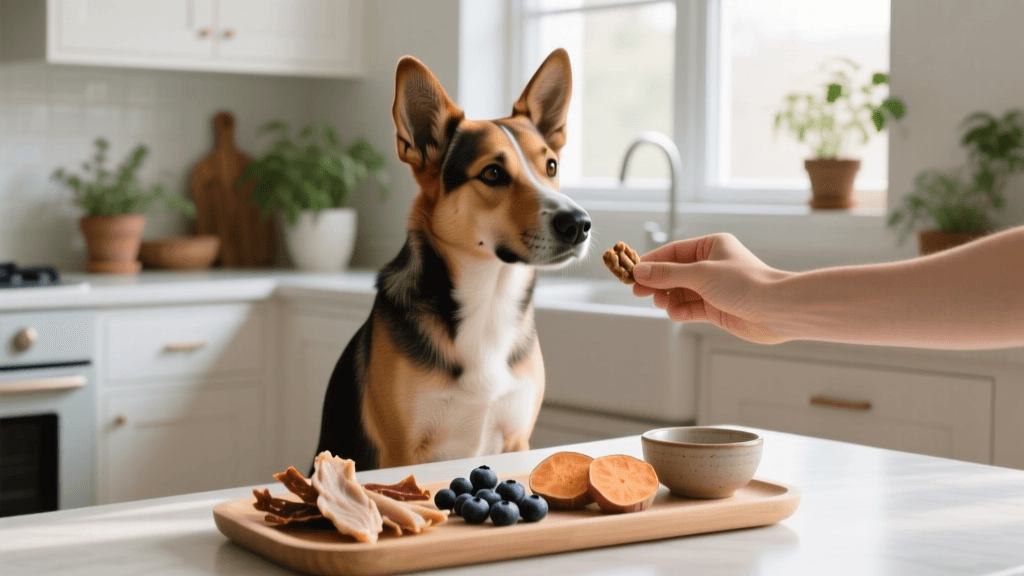
If your home office is on the ground floor and you have a fenced yard, the Basset Hound offers a Zen-like presence. They are notoriously calm indoors and move at a leisurely pace. The primary training challenge with a Basset Hound is their strong scent drive and occasional stubbornness, but their baseline energy level is so low that they are unlikely to interrupt a meeting with hyperactive antics. Patience and high-value treats are the keys to their training.
The 'Quiet Independence' Training Protocol
Selecting the right breed is only half the battle. To ensure your puppy respects your work hours, you must implement the 'Quiet Independence' protocol. This methodology focuses on teaching the dog that your active work hours are their designated rest hours.
Step 1: The 'Place' Command for Video Calls
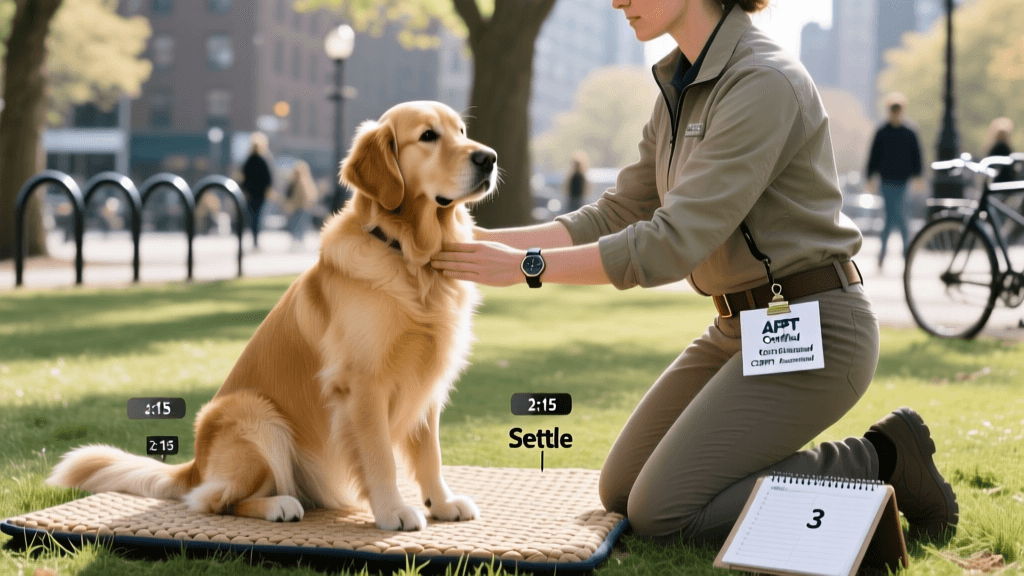
The 'Place' command is the cornerstone of home office training. Unlike the 'Down' command, which simply requires the dog to lie on the floor, 'Place' directs the dog to a specific mat or bed. Start by luring your puppy onto their designated office bed with a high-value treat. Mark the behavior with a clicker or a verbal 'Yes!' and reward them. Gradually increase the duration they must stay on the mat before receiving a reward. By 2026 standards, expert trainers recommend using a raised cot-style bed, as the physical elevation helps the dog clearly understand the boundaries of their designated 'place' during your video calls.
Step 2: Notification Sound Desensitization
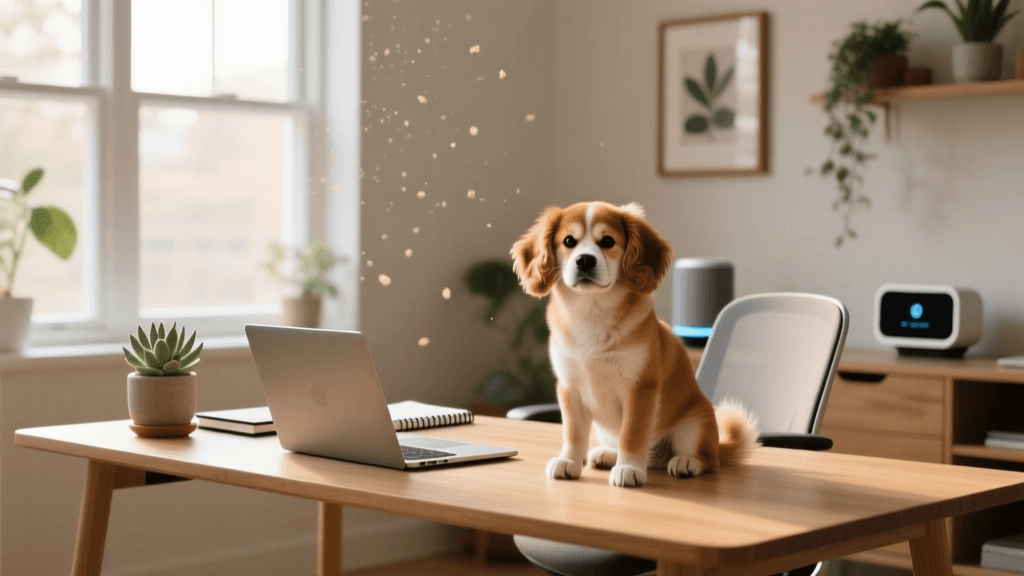
Nothing ruins a professional phone call faster than a dog barking at a sudden Slack 'knock' or a Zoom ringtone. You must proactively desensitize your puppy to your digital environment. Record the specific notification sounds from your computer and phone. During a training session, play the sound at a very low volume—low enough that the puppy notices but does not react or bark. Immediately follow the sound with a high-value treat. Over several weeks, gradually increase the volume. This classical conditioning rewires the puppy's brain to associate jarring digital notifications with positive rewards, effectively eliminating the alert-barking response.
Step 3: Potty Training Around Deep Work Blocks
Remote workers often utilize time-blocking methods like the Pomodoro technique. Your puppy's potty schedule must align with your breaks. Take the puppy out immediately after a deep work block ends, before they have the opportunity to whine or scratch at the door. Consistency is vital. If you are using indoor potty solutions for high-rise apartment dwellers, ensure the designated area is visually separated from your workspace to maintain a clear psychological boundary between 'office' and 'bathroom'.
Breed-Specific Training Matrix
Understanding the nuances of your chosen breed will help you tailor your training rewards and expectations. Below is a comparison matrix to guide your 2026 training strategy:
| Breed | Trainability | Barking Tendency | Best Training Reward |
|---|---|---|---|
| Cavalier King Charles Spaniel | High | Low | Verbal Praise & Soft Chews |
| Greyhound | Moderate | Very Low | Food Lures & Gentle Petting |
| Bichon Frise | High | Moderate (Alert) | Interactive Toys & Praise |
| Basset Hound | Low to Moderate | Low (but loud when vocal) | High-Value Scented Treats |
For a deeper understanding of managing breed-specific vocalizations and behavioral quirks, the Humane Society of the United States offers excellent resources on positive reinforcement techniques that avoid inducing fear or anxiety in sensitive breeds.
Essential 2026 Gear for the Home Office Dog
Modern remote work requires the right tools, and so does modern dog training. To support your puppy's quiet independence, invest in gear designed for the 2026 home office:
- Smart Treat Cameras: Devices like the Furbo 360 allow you to monitor your puppy from your smartphone and toss treats remotely when they exhibit calm behavior on their 'Place' mat while you are in another room.
- Snuffle Mats: For breeds like the Basset Hound or Bichon Frise, a snuffle mat filled with kibble provides 20 minutes of silent, mentally exhausting enrichment right under your desk, keeping them occupied during long meetings.
- Sound-Masking White Noise Machines: Placing a white noise machine near your office door can muffle the sounds of delivery drivers or neighborhood traffic, preventing alert barking before it starts.
Preventing Separation Anxiety When You Commute
A critical, often overlooked aspect of training a remote work puppy is preparing them for the days you do leave the house. If your puppy spends 100% of their time with you in the home office, they are at a high risk for developing separation anxiety when you eventually need to commute to a corporate headquarters or run errands. The ASPCA notes that separation anxiety is one of the most prevalent behavioral issues in modern companion dogs.
To combat this, you must practice 'micro-departures.' During your lunch break, place your puppy in their crate or a puppy-proofed room with a long-lasting chew, and leave the house for just 10 minutes. Return calmly without making a fuss. Gradually increase the duration of these absences. This trains the puppy to understand that your departure is temporary and that being alone is a safe, relaxing experience. Furthermore, never use your home office as the sole space for their confinement; ensure they have positive associations with other rooms in the house so your office doesn't become their entire world.
Conclusion
Integrating a puppy into your remote work lifestyle in 2026 is a deeply rewarding endeavor, provided you approach it with intentionality. By selecting a breed genetically predisposed to quiet companionship—like the Cavalier, Greyhound, Bichon, or Basset Hound—and rigorously applying the Quiet Independence training protocol, you can cultivate a peaceful, productive home office. Remember that consistency in your commands, proactive desensitization to your digital environment, and structured micro-departures are the keys to raising a well-adjusted, professional-grade office companion.
anouk-beaumont
All our authors care for dogs every day — read more of their work on the authors page.