Top Quiet Dog Breeds for Apartments in 2026: Expert Guide
Discover the best quiet dog breeds for apartments in 2026. Learn expert tips on managing noise, breed traits, and creating a peaceful living space.
The Evolution of Urban Dog Ownership in 2026
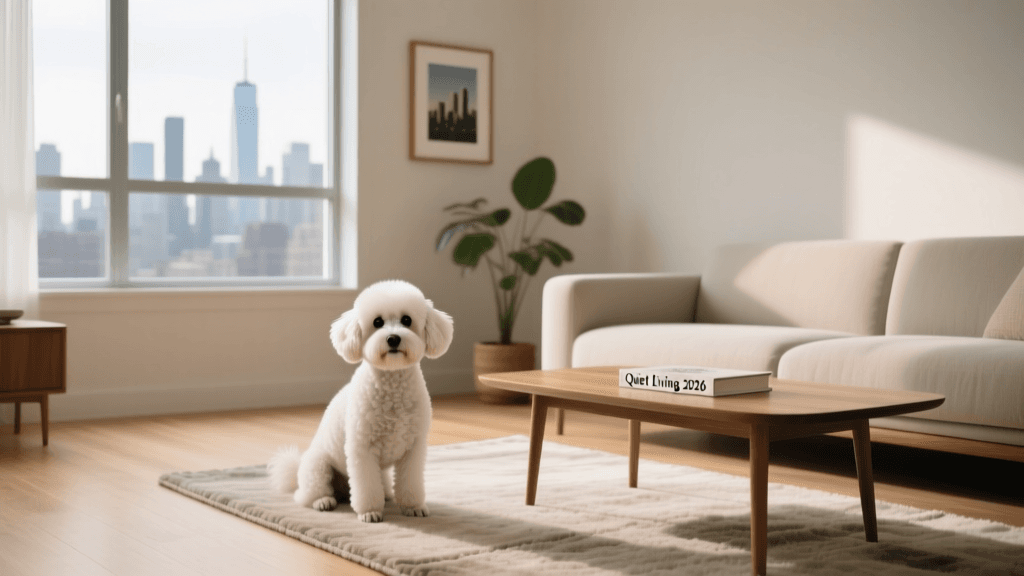
As urbanization reaches new heights in 2026, apartment living has become the primary housing choice for millions of dog owners. High-density housing offers incredible amenities and walkable neighborhoods, but it also presents a unique challenge: shared walls, floors, and ceilings. In today's modern multi-family buildings, maintaining a peaceful environment is not just a courtesy; it is often a strict requirement outlined in lease agreements and homeowners association (HOA) bylaws.
With the widespread adoption of smart building technology, many property management companies now utilize IoT (Internet of Things) noise sensors in hallways and shared spaces to monitor decibel levels. This makes selecting a naturally quiet dog breed more important than ever for apartment dwellers. Whether you are moving into a high-rise studio or a multi-bedroom apartment complex, choosing a breed that is predisposed to a quieter lifestyle will save you from noise complaints and ensure a harmonious living situation for you, your pet, and your neighbors.
Why "Quiet" is the Ultimate Apartment Trait
When we talk about "quiet" dogs, we are generally referring to breeds with a low propensity for recreational or alert barking. While every dog is an individual and training plays a massive role in behavior, genetics dictate a dog's baseline instinct to vocalize. Hounds, for instance, are bred to bay and howl when they catch a scent, while terriers are bred to bark at any movement underground. In an apartment setting, these instincts can be triggered constantly by the sounds of neighbors walking in the hall, doors closing, or other dogs barking in the courtyard.
According to the ASPCA Dog Care guidelines, understanding a breed's historical purpose is the most reliable way to predict their vocalization habits in a modern home. By selecting a breed that was historically tasked with quiet companionship or silent hunting, you set yourself up for success in a shared living environment.
Top 5 Quiet Dog Breeds for Small Spaces
Below is a comprehensive comparison of the top quiet dog breeds that thrive in apartment settings, factoring in their energy levels, space requirements, and vocalization tendencies.
| Breed | Average Weight | Energy Level | Barking Level | Apartment Suitability |
|---|---|---|---|---|
| Basenji | 22-24 lbs | High | Very Low (Yodels) | Excellent (with enrichment) |
| Greyhound | 60-70 lbs | Low (Sprinters) | Very Low | Excellent |
| Shiba Inu | 17-23 lbs | Moderate | Low | Very Good |
| English Bulldog | 40-50 lbs | Low | Very Low | Excellent |
| Cavalier King Charles | 13-18 lbs | Moderate | Low | Excellent |
1. The Basenji: The Barkless Wonder
The Basenji is famous for being the "barkless dog." Originating from Central Africa, this breed was used for hunting and needed to remain silent to avoid alerting prey. Instead of a traditional bark, the Basenji's uniquely shaped larynx produces a yodel-like sound, often referred to as a "baroo." While they are not entirely mute, they are significantly quieter than the average dog.
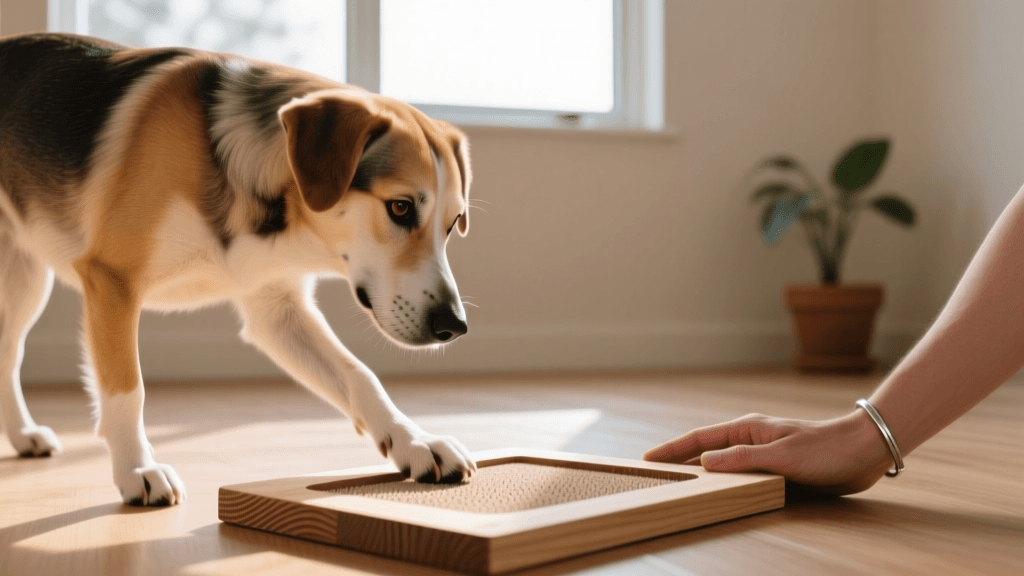
However, prospective owners must note that Basenjis are highly energetic and intelligent. They require rigorous daily mental stimulation and physical exercise. In an apartment, this means utilizing puzzle feeders, snuffle mats, and taking them to nearby dog parks to burn off steam. Without adequate enrichment, a bored Basenji may resort to destructive chewing, which, while quiet, can be costly to your apartment's fixtures.
2. The Greyhound: The 45-MPH Couch Potato
It is a common misconception that large dogs cannot live in apartments. The Greyhound shatters this myth. Despite their reputation as elite racing athletes, Greyhounds are actually notorious couch potatoes. They are sprinters, not endurance runners, meaning a single 20-minute brisk walk or a quick sprint in a secured park is usually enough to satisfy their daily exercise needs.
Greyhounds are incredibly docile, gentle, and rarely bark at strangers or noises. They prefer to curl up on a soft bed and sleep for up to 18 hours a day. Because they have very little body fat and thin coats, they are highly sensitive to cold, making them perfectly suited for the climate-controlled environment of a modern apartment. The American Kennel Club (AKC) frequently highlights retired racing Greyhounds as some of the most adaptable and quiet companions for urban living.
3. The Shiba Inu: The Cat-Like Companion
The Shiba Inu is a small, agile spitz breed from Japan, known for its fastidious cleanliness and independent nature. Shibas are often compared to cats; they groom themselves regularly and are generally very quiet indoors. They do not typically bark at every passing sound, preferring to observe their environment with a stoic demeanor.
The caveat to the Shiba's quiet nature is the infamous "Shiba scream," a high-pitched vocalization they may emit if they are highly stressed, anxious, or displeased (such as during a nail trim or a vet visit). However, in a stable, comfortable apartment environment with a predictable routine, the Shiba Inu is a remarkably peaceful roommate. Early socialization and positive reinforcement training are essential to ensure they remain confident and quiet.
4. The English Bulldog: The Snoring Sweetheart
If your primary concern is recreational barking, the English Bulldog is a phenomenal choice. Bulldogs are notoriously low-energy and are far more likely to snore loudly than they are to bark at the doorbell. Their brachycephalic (flat-faced) anatomy means they do not require—and should not engage in—strenuous exercise, making them perfectly content with a short, leisurely stroll around the block.
Bulldogs are deeply affectionate and form strong bonds with their owners, often choosing to sleep right at your feet while you work from home. The main consideration for apartment dwellers is ensuring the apartment has excellent air conditioning, as Bulldogs are highly sensitive to heat and humidity. As long as their climate needs are met, they are one of the most placid and quiet breeds available.
5. The Cavalier King Charles Spaniel: The Adaptable Lap Dog
The Cavalier King Charles Spaniel is the quintessential companion dog. Bred for centuries to sit on the laps of royalty, they are incredibly adaptable to their owner's lifestyle. If you are active, they will happily join you for a hike; if you prefer a quiet evening watching television, they are perfectly content to cuddle on the sofa.
Cavaliers are generally very quiet and only tend to bark to alert you to a genuine anomaly, such as a smoke alarm or a stranger entering the home. The primary challenge with this breed in an apartment is their susceptibility to separation anxiety. They thrive on human companionship and can become distressed if left alone for long hours. Utilizing 2026's advanced smart pet cameras and automated treat dispensers can help keep them engaged and calm while you are at the office.
Managing Apartment Noise: Beyond the Breed
Even the quietest dog breeds can develop vocalization habits if their environment is stressful or under-stimulating. Managing your apartment's acoustics and your dog's daily routine is just as important as selecting the right breed.
Soundproofing and Trigger Management
Apartments are full of auditory and visual triggers. The sound of heavy footsteps in the hallway or the sight of another dog walking past your ground-floor window can trigger an alert bark. To mitigate this, consider the following environmental modifications:
- White Noise Machines: Placing a white noise machine or a smart speaker playing ambient sounds near the front door or shared walls can mask the sound of neighbors coming and going.
- Window Films: If you live on a lower floor, applying a frosted privacy film to the bottom half of your windows prevents your dog from seeing outdoor triggers while still allowing natural light to enter.
- Draft Stoppers and Rugs: Heavy draft stoppers under your front door not only block hallway light but also dampen sound transmission. Thick area rugs help absorb echoes within your own apartment, keeping the overall decibel level down.
Mental Stimulation and Enrichment
A tired dog is a quiet dog, but physical exhaustion isn't always possible in a small apartment. Mental fatigue is actually more effective at promoting calm behavior. The Humane Society of the United States strongly advocates for environmental enrichment to prevent boredom-related behavioral issues.
- Frozen Lick Mats: Spreading dog-safe peanut butter or yogurt on a textured silicone mat and freezing it provides 30-45 minutes of quiet, soothing licking activity.
- Scent Work: Hide small, high-value treats around the apartment and encourage your dog to "find it." This taps into their natural foraging instincts and tires their brain out without requiring them to run around and bump into furniture.
- Interactive Puzzle Toys: Modern puzzle toys that require your dog to slide, lift, and spin compartments to access treats are excellent for keeping them quietly occupied while you are on a work call.
Final Thoughts on Apartment Living with Dogs
Living in an apartment with a dog in 2026 is easier and more rewarding than ever, provided you make informed choices from the very beginning. By selecting a breed with a naturally low propensity for barking, such as the Greyhound, Basenji, or Cavalier King Charles Spaniel, you proactively eliminate the most common source of neighbor disputes.
Remember that no dog is born perfectly trained. Pairing a quiet breed with proactive environmental management, daily mental enrichment, and consistent positive reinforcement training will ensure your apartment remains a peaceful sanctuary. With the right preparation, your urban dwelling will be a joyful, harmonious home for both you and your canine companion for years to come.
anouk-beaumont
All our authors care for dogs every day — read more of their work on the authors page.