Holistic Senior Dog Mobility: Acupressure & Adaptogens Guide 2026
Discover a natural 2026 guide to senior dog mobility using canine acupressure techniques, adaptogenic herbs, and holistic environmental modifications.
The Shift Toward Holistic Canine Gerontology in 2026
As we navigate the landscape of pet care in 2026, the paradigm surrounding canine aging has shifted dramatically. Pet parents and integrative veterinarians alike are moving away from an exclusive reliance on traditional non-steroidal anti-inflammatory drugs (NSAIDs) for managing age-related osteoarthritis and mobility issues. While pharmaceuticals still have their place in acute pain management, the long-term use of these medications can pose risks to a senior dog's liver, kidneys, and gastrointestinal tract. Consequently, the natural and holistic approach to canine gerontology has taken center stage, focusing on sustaining quality of life through non-invasive, whole-body therapies.
Holistic mobility care is not merely about masking pain; it is about supporting the body's innate ability to repair, adapt, and thrive. By combining ancient practices like Traditional Chinese Veterinary Medicine (TCVM) with modern, highly bioavailable botanical extracts, dog owners can create a robust, natural support system for their aging companions. According to the American Holistic Veterinary Medical Association, integrative therapies such as acupressure and adaptogenic herbalism are now considered foundational pillars in comprehensive senior dog care plans.
Canine Acupressure: Targeting Mobility Meridians
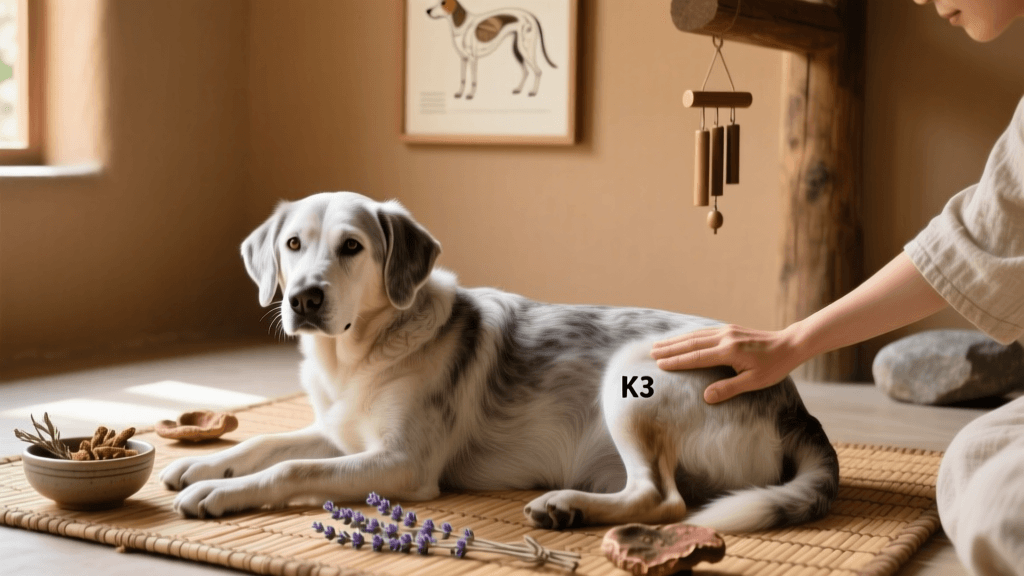
Acupressure is a non-invasive therapy that involves applying gentle but firm pressure to specific points on the body to stimulate the flow of 'Qi' (vital energy) and blood. In 2026, canine acupressure has become a widely accessible daily practice for pet owners, helping to reduce localized inflammation, relieve muscle tension, and encourage joint lubrication. When performing acupressure, always use your thumb or index finger to apply a steady, gentle pressure for 30 to 60 seconds per point. Watch your dog's body language; a relaxed sigh, leaning into your hand, or closing their eyes indicates you have found the right spot and pressure.
1. Gallbladder 34 (GB34) - 'The Master Point for Tendons and Sinews'
Located on the lateral (outside) aspect of the hind leg, just below the knee joint in a small depression anterior to the fibula, GB34 is arguably the most important acupressure point for canine mobility. Stimulating this point helps to nourish the tendons and ligaments that support aging joints, making it particularly beneficial for dogs suffering from cranial cruciate ligament (CCL) degradation or general hind-end weakness.
2. Stomach 36 (ST36) - 'The Point of Longevity'
ST36 is located on the lateral side of the hind leg, slightly below the knee, in the depression between the tibia and the fibula. Known globally as a master point for overall vitality and immune support, ST36 also drives energy and blood flow down into the hind limbs. Massaging this point daily helps combat the general lethargy and muscle atrophy often seen in senior dogs.
3. Bladder 23 (BL23) - 'The Back Shu Point of the Kidney'
In TCVM, the 'Kidney' system governs bone health, joint fluid, and the aging process itself. BL23 is located on either side of the spine in the lumbar region (lower back). Gently massaging this area not only soothes lower back pain but also energetically supports the skeletal system, helping to maintain bone density and joint integrity in your dog's golden years.
Adaptogenic & Anti-Inflammatory Herbs for 2026
The herbal supplement market for pets has evolved significantly. In 2026, the focus is on 'adaptogens'—herbs that help the body resist and adapt to physical and environmental stressors—and highly bioavailable anti-inflammatories. Raw powders are being replaced by advanced delivery systems like liposomal encapsulation and CO2 extracts, ensuring that your dog's digestive tract actually absorbs the active compounds.
| Herb | Primary Benefit | 2026 Recommended Form | General Guideline (Consult Vet) |
|---|---|---|---|
| Boswellia Serrata | Blocks 5-LOX inflammatory pathways; excellent for osteoarthritis. | Standardized extract (min. 65% boswellic acids). | 10-20 mg per kg of body weight daily. |
| Curcuma Longa (Turmeric) | Potent systemic anti-inflammatory and antioxidant. | Liposomal curcumin (bypasses need for black pepper). | 1/4 tsp of liposomal liquid per 20 lbs of body weight. |
| Withania Somnifera (Ashwagandha) | Adaptogen that reduces stress-induced muscle tension and cortisol. | Water-soluble root extract powder. | 100-250 mg daily, depending on dog size. |
| Uncaria Tomentosa (Cat's Claw) | Supports joint tissue repair and modulates immune response. | Alcohol-free liquid glycerite tincture. | 1-2 drops per 10 lbs of body weight. |
A Note on Bioavailability: Historically, turmeric was fed to dogs as a raw kitchen spice mixed with coconut oil. While better than nothing, modern holistic veterinarians in 2026 strongly recommend liposomal curcumin. The lipid-encapsulation allows the curcuminoids to bypass the harsh stomach acids and absorb directly into the cellular walls, providing up to 10x the efficacy without the gastrointestinal upset sometimes caused by piperine (black pepper extract).
Building Your Daily Holistic Mobility Routine
Consistency is the secret to holistic success. Herbs and acupressure do not work like fast-acting pharmaceuticals; they build up in the system and create a foundation of healing over weeks and months. Here is a practical, actionable daily routine to integrate into your life with your senior dog.
Morning: Activation & Nourishment
- 7:00 AM - Gentle Movement: Start the day with a 5-minute 'sniffari' in the yard or on a quiet street. Sniffaring engages the brain and encourages low-impact, natural movement without the strain of a brisk walk.
- 7:15 AM - Breakfast Supplements: Add your dog's liposomal curcumin and Boswellia extract to their morning meal. The natural fats in their food will further aid in the absorption of these fat-soluble compounds.
- 7:30 AM - ST36 Activation: Spend two minutes gently massaging the ST36 points on both hind legs to invigorate blood flow for the day ahead.
Afternoon: Environmental Support & Rest
- 1:00 PM - Orthopedic Rest: Ensure your dog's primary resting spot features a 2026-standard copper-infused cooling memory foam bed. Copper threading helps dissipate heat from inflamed joints, while the high-density foam prevents pressure sores on aging hips.
- 3:00 PM - Traction Check: Senior dogs struggle on hardwood floors. Lay down natural, biodegradable jute or rubber-backed non-slip runners in your dog's primary walking paths to prevent micro-slips that exacerbate joint pain.
Evening: Decompression & Repair
- 6:00 PM - Dinner Supplements: Administer the Ashwagandha extract with dinner. This adaptogen will help lower the day's accumulated cortisol, promoting deep, restorative sleep which is vital for tissue repair.
- 8:00 PM - Deep Tissue Acupressure: Spend 5 minutes working on GB34 and BL23. The evening is the best time for deeper, more relaxing acupressure sessions as the house quiets down and your dog prepares for sleep.
Sourcing, Safety, and Veterinary Collaboration
The holistic supplement industry is largely unregulated compared to pharmaceuticals, making vigilance a necessity. When purchasing adaptogens or herbal extracts for your dog in 2026, always demand a Certificate of Analysis (COA) from the manufacturer. A COA proves that the product has been third-party tested for heavy metals, pesticides, and active ingredient potency. The U.S. Food and Drug Administration (FDA) provides excellent guidelines on how to safely evaluate pet treats and supplements, urging owners to look for transparent manufacturing practices and clear dosage instructions.
Furthermore, 'natural' does not automatically mean 'safe.' Many human-grade herbs and essential oils are highly toxic to canines. Before introducing any new botanical into your dog's regimen, cross-reference it with the ASPCA's Toxic and Non-Toxic Plants database. For example, while Boswellia and Turmeric are incredibly safe, plants like Wintergreen (often found in human pain salves) contain methyl salicylate, which is highly toxic to dogs.
Finally, the most effective holistic care is collaborative. Seek out an integrative or TCVM-certified veterinarian who can tailor these herbal dosages to your dog's specific bloodwork, weight, and concurrent medications. By blending the wisdom of natural adaptogens and acupressure with modern veterinary oversight, you can ensure your senior dog enjoys their twilight years with comfort, dignity, and vibrant mobility.
marcus-aldridge
All our authors care for dogs every day — read more of their work on the authors page.