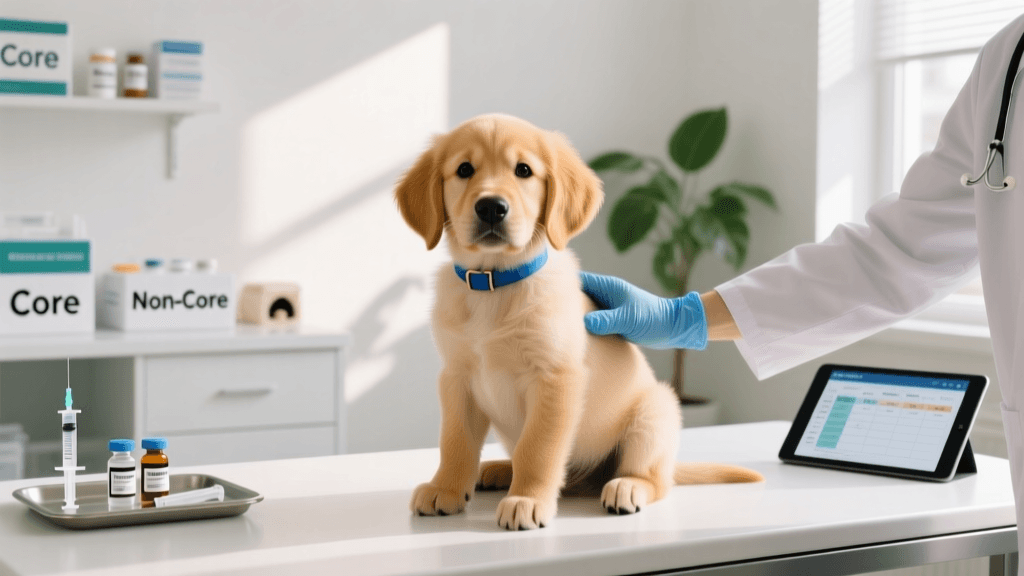
First-Time Owner Guide to Puppy Vaccinations & Care
Discover the essential puppy vaccination schedule, preventive care tips, and costs for first-time dog owners to keep your new furry friend healthy.

Welcome to Dog Ownership: Why Preventive Care Matters
Bringing a new puppy home is an exhilarating milestone, but it also comes with a steep learning curve. As a first-time dog owner, you are suddenly responsible for a vulnerable life that relies entirely on you for its health, safety, and well-being. Among the most critical—and often confusing—responsibilities is navigating your puppy's early veterinary care. Establishing a robust preventive care routine during your dog's first year is the foundation for a long, healthy, and happy life.
Preventive care goes far beyond a simple check-up. It involves a carefully timed series of vaccinations to protect against fatal diseases, a proactive parasite control regimen, and foundational procedures like microchipping and spaying or neutering. According to the American Veterinary Medical Association (AVMA), core vaccinations are essential for all puppies, regardless of their geographic location or lifestyle, because they protect against diseases that are highly contagious, widespread, and potentially fatal.
This guide will demystify the puppy vaccination schedule, explain the 'why' behind each shot, outline a comprehensive parasite prevention strategy, and provide a realistic cost breakdown so you can budget effectively for your new companion's first year.
Understanding Core vs. Non-Core Vaccines
Before diving into the timeline, it is crucial to understand the difference between 'core' and 'non-core' (or lifestyle) vaccines. Your veterinarian will tailor a protocol based on your puppy's specific risk factors, but the foundational science remains the same.
Core Vaccines
Core vaccines are universally recommended. They protect against severe, life-threatening diseases. The primary core combination shot is often referred to as the DHPP or DA2PP vaccine, which covers:
- Distemper: A highly contagious viral disease affecting the respiratory, gastrointestinal, and nervous systems. It is often fatal and has no specific cure.
- Adenovirus-2 (Hepatitis): Protects against canine infectious hepatitis, which targets the liver and can cause severe organ damage.
- Parainfluenza: A respiratory virus that contributes to kennel cough.
- Parvovirus: A notoriously hardy and deadly virus that attacks the gastrointestinal tract, causing severe vomiting, bloody diarrhea, and rapid dehydration, especially in young puppies.
Additionally, the Rabies vaccine is a core requirement mandated by law in most regions due to its zoonotic nature (transmissibility to humans) and 100% fatality rate once symptoms appear.
Non-Core (Lifestyle) Vaccines
Non-core vaccines are administered based on your dog's environment, geographic location, and lifestyle. If you plan to board your puppy, attend group training classes, or visit dog parks, the Bordetella (kennel cough) vaccine is highly recommended. Other lifestyle vaccines include Leptospirosis (a bacterial infection spread through wildlife urine in standing water), Lyme disease (transmitted by ticks in specific geographic regions), and Canine Influenza.
The Science of Maternal Antibodies and the Booster Schedule
First-time owners often wonder why puppies need a series of shots every three to four weeks rather than just a single dose. The answer lies in maternal antibodies. When a puppy nurses from its vaccinated mother, it ingests colostrum, a milk rich in antibodies that provides temporary immunity against diseases.
While these maternal antibodies are lifesaving in the first few weeks, they also neutralize vaccines. If you vaccinate a puppy too early, the maternal antibodies will destroy the vaccine before the puppy's own immune system can respond. As the weeks pass, maternal antibody levels naturally decline. The American Kennel Club (AKC) notes that the window when maternal antibodies drop low enough to allow a vaccine to work, but high enough to still protect the puppy, varies from dog to dog. Therefore, veterinarians administer a series of boosters every three to four weeks until the puppy is around 16 weeks old, ensuring that at least one dose successfully 'catches' the immune system when maternal antibodies have waned.
The Essential Puppy Vaccination Timeline
Below is the standard vaccination schedule for most puppies. Always consult your local veterinarian, as regional disease prevalence may alter this timeline slightly.
| Puppy Age | Vaccines Administered | Notes & Action Items |
|---|---|---|
| 6-8 Weeks | DA2PP (1st dose), Bordetella (optional) | Initial vet exam, fecal test for intestinal parasites, and first deworming. |
| 10-12 Weeks | DA2PP (2nd dose), Leptospirosis, Lyme (if applicable) | Heartworm prevention should begin. Discuss socialization safety with your vet. |
| 14-16 Weeks | DA2PP (3rd dose), Rabies (1st dose) | Rabies is legally required. Puppy is now generally safe for public spaces and dog parks. |
| 12-16 Months | DA2PP Booster, Rabies Booster, Lifestyle Boosters | Transition to adult wellness exams. Discuss spay/neuter timing if not yet performed. |
Parasite Prevention: Fleas, Ticks, and Heartworm
Vaccines are only one pillar of preventive care. Parasite control is equally vital. Internal and external parasites can cause severe discomfort, transmit deadly diseases, and even pose risks to human family members through zoonotic transmission.
Heartworm Disease
Heartworm disease is transmitted exclusively through mosquito bites. When an infected mosquito bites your dog, it transmits larvae that migrate through the body and eventually mature into foot-long worms that reside in the heart and pulmonary arteries. This disease is preventable but incredibly difficult, expensive, and dangerous to treat once established. The American Heartworm Society strongly recommends year-round, monthly heartworm prevention for all dogs, regardless of whether they spend most of their time indoors or outdoors. Puppies should start monthly preventatives (such as Heartgard Plus or Interceptor) as early as 8 weeks of age.
Flea and Tick Control
Fleas can cause severe allergic dermatitis and transmit tapeworms, while ticks carry debilitating illnesses like Lyme disease, Ehrlichiosis, and Anaplasmosis. Modern veterinary medicine offers highly effective oral chewables (e.g., NexGard, Simparica, Bravecto) and topical treatments. Many first-time owners opt for all-in-one monthly chews that combine heartworm, flea, tick, and intestinal parasite prevention into a single, easy-to-administer dose.
Intestinal Parasites
Puppies are frequently born with or acquire roundworms and hookworms from their mother's milk or environment. Your veterinarian will perform a fecal flotation test during your puppy's early visits and prescribe targeted dewormers like pyrantel pamoate or fenbendazole to clear these infections.
Spaying, Neutering, and Microchipping
Preventive care also encompasses reproductive health and permanent identification. Historically, veterinarians recommended spaying or neutering all dogs at six months of age. However, recent veterinary consensus suggests that the optimal timing depends heavily on the dog's anticipated adult size and breed. For small breeds, six months remains standard. For large and giant breeds, delaying the procedure until the growth plates close (often between 12 and 18 months) may reduce the risk of orthopedic issues like hip dysplasia and certain cancers. Have an in-depth conversation with your vet about the pros and cons specific to your dog's breed.
Microchipping is a non-negotiable aspect of responsible ownership. A microchip is a tiny, rice-sized transponder injected under the skin between the shoulder blades. It is not a GPS tracker; rather, it provides a permanent ID number that links to your contact information in a national database. If your puppy slips out the door and ends up at a shelter or vet clinic, a simple scan can reunite you. It is best done while the puppy is young, or concurrently with a spay/neuter procedure.
First-Year Preventive Care Cost Breakdown
Budgeting for a puppy's first year can be a shock to first-time owners. While costs vary significantly by geographic location, veterinary clinic type (general practice vs. specialty), and the specific brands of medication used, the table below provides a realistic national average for essential first-year preventive care.
| Service / Product | Estimated Cost Range (USD) | Frequency |
|---|---|---|
| Initial Wellness Exam & Fecal Test | $75 - $150 | 1-3 times in first year |
| Core Vaccine Series (DA2PP & Rabies) | $100 - $200 (Total) | Series of 3-4 visits |
| Non-Core Vaccines (Bordetella, Lepto, Lyme) | $30 - $60 per vaccine | 1-2 times per year |
| Monthly Parasite Prevention (All-in-One) | $150 - $250 | Annual supply |
| Deworming Treatments | $20 - $50 | As needed based on fecal tests |
| Microchip & Registration | $50 - $75 | Once in a lifetime |
| Spay / Neuter Surgery | $250 - $600+ | Once (size dependent) |
Note: Prices in urban areas or at emergency/specialty clinics can be 30-50% higher. Many clinics offer 'Puppy Wellness Packages' that bundle exams, vaccines, and parasite tests at a discounted flat rate, which is highly recommended for budget-conscious first-time owners.
Final Thoughts for New Owners
Navigating your puppy's first year of veterinary care requires time, attention, and financial commitment, but the return on investment is immeasurable. By adhering to a strict vaccination schedule, maintaining year-round parasite prevention, and establishing a trusting relationship with your veterinarian, you are actively shielding your dog from preventable suffering. Keep your puppy's medical records organized in a dedicated folder or digital app, set calendar reminders for upcoming boosters and monthly preventatives, and never hesitate to ask your vet questions. You are laying the groundwork for a vibrant, energetic, and healthy life with your new best friend.
aaron-whyte
All our authors care for dogs every day — read more of their work on the authors page.