Puppy Training Costs: Group Classes vs Private Trainers
Discover the true cost of puppy training. Compare group classes, private trainers, and board-and-train programs to budget effectively for your new dog.

Introduction to Puppy Training Budgets
Bringing a new puppy into your home is an exciting milestone, but it also comes with immediate responsibilities. Chief among these is obedience training and behavioral conditioning. According to the American Kennel Club (AKC), early socialization and structured training are critical for preventing behavioral issues and ensuring your dog grows into a well-adjusted adult. However, many new dog owners are caught off guard by the financial investment required for professional training. Whether you are dealing with basic leash walking, potty training, or more complex behavioral conditioning, understanding the cost breakdown of different training methods is essential for proper financial planning. This comprehensive guide will break down the costs of group classes, private in-home trainers, board-and-train programs, and the hidden gear expenses you need to budget for.
Group Puppy Training Classes: The Budget-Friendly Route
Group classes are typically the most affordable entry point into professional dog training. These classes are usually held at local pet supply stores, community centers, or specialized training facilities. A standard group puppy course runs for six to eight weeks, with one-hour sessions per week. The curriculum generally covers basic obedience commands like sit, stay, down, come, and loose-leash walking, alongside crucial puppy socialization time.
Cost Breakdown for Group Classes
- Big-Box Pet Stores: National chains often offer six-week group puppy courses ranging from $100 to $150 total. These are highly affordable but may feature larger class sizes and varying instructor experience levels.
- Boutique Training Facilities: Independent training academies usually charge between $200 and $350 for a six-week group course. These facilities often cap class sizes at six to eight puppies, ensuring more individualized attention from certified professionals.
- Drop-In Puppy Socials: Many trainers offer weekly drop-in socialization hours for $15 to $25 per session, which is an excellent, low-cost supplement to formal training.
While group classes are excellent for foundational obedience and socialization, they may not be sufficient for dogs with severe leash reactivity, resource guarding, or intense fear-based behaviors, as the stimulating environment can overwhelm some puppies.
Private In-Home Dog Training: The Personalized Approach
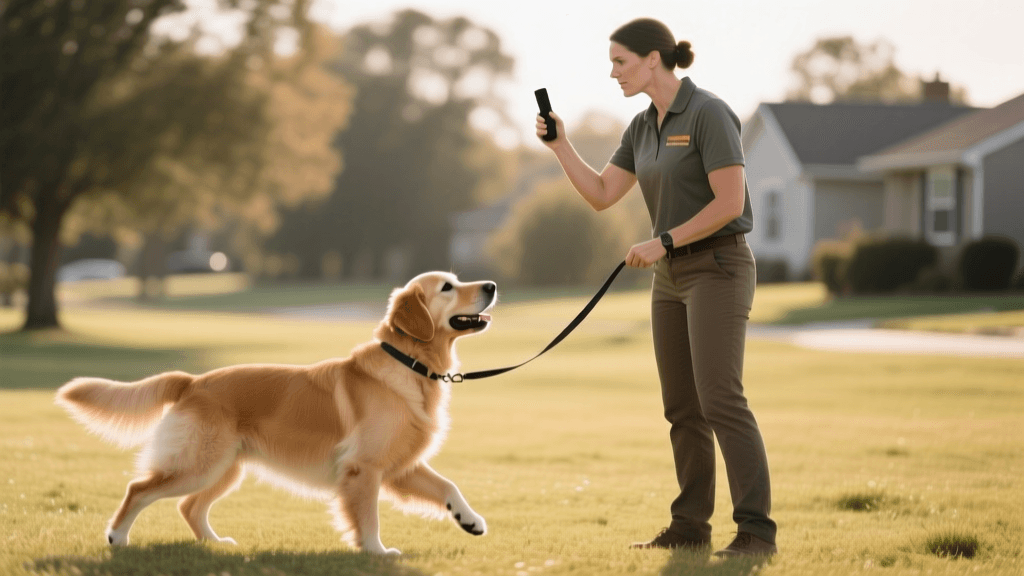
Private training involves a certified professional coming directly to your home or meeting you in a local park. This method is highly effective because it addresses behavioral issues in the exact environment where they occur. If your puppy is counter-surfing in your kitchen or door-dashing at your front entrance, an in-home trainer can assess your specific layout and family dynamics to create a tailored behavior modification plan.
Cost Breakdown for Private Training
- Hourly Rates: Private trainers typically charge between $90 and $250 per hour, depending on their location, experience, and certifications. Trainers holding advanced credentials, such as the CPDT-KA (Certified Professional Dog Trainer), generally sit at the higher end of this spectrum.
- Training Packages: Most professionals recommend purchasing a package of five to ten sessions. A five-session package usually costs between $450 and $1,000, while comprehensive ten-session behavior modification programs can range from $900 to $2,500.
- Initial Consultation: Many trainers charge a one-time intake or assessment fee of $150 to $250 before beginning the actual training sessions.
When selecting a private professional, the Association of Professional Dog Trainers (APDT) strongly recommends looking for trainers who utilize science-based, positive reinforcement methods and hold verifiable certifications from independent testing organizations.
Board and Train Programs: The Premium Immersion
Board and train programs, sometimes referred to as doggy boot camps, involve your puppy living at the trainer's facility or home for an extended period, typically two to four weeks. During this time, the dog receives multiple daily training sessions, structured routines, and intensive behavioral conditioning.
Cost Breakdown for Board and Train
- Weekly Rates: These programs are the most expensive option, costing anywhere from $1,000 to $2,500 per week.
- Program Totals: A standard two-week basic obedience program will cost between $2,000 and $4,000. More intensive four-week behavior modification programs for severe issues can exceed $8,000.
- Handover Sessions: Reputable programs include two to three mandatory handover sessions upon the dog's return, teaching the owner how to maintain the training. Ensure these are included in the quoted price, as some facilities charge extra for them.
While board and train programs offer a massive head start, they require the owner to put in significant effort once the dog returns home to maintain the newly established boundaries and routines.
Hidden Costs: Essential Training Gear and Treats
When planning your training budget, you must account for the physical tools required to execute the training protocols effectively. Professional trainers rely on specific, high-quality gear to communicate clearly with dogs. Here is a breakdown of the essential gear and consumable costs you should anticipate during your puppy's first year.
- High-Value Training Treats: You will need soft, easily consumable treats for high-distraction environments. Brands like Zuke's Mini Naturals or freeze-dried beef liver cost approximately $15 to $30 per month for an active puppy training schedule.
- Treat Pouch: A dedicated treat pouch keeps your hands free and rewards accessible. The Ruffwear Treat Trader or similar waist-bag style pouches cost between $25 and $40.
- Front-Clip Harness: For loose-leash walking training, a front-clip harness provides gentle steering without choking the dog. The Ruffwear Front Range Harness is a top-tier choice, retailing for around $40.
- Long Line Leash: A 20-foot to 30-foot long line is mandatory for practicing reliable recall (the 'come' command) safely. Biothane long lines, which are waterproof and easy to clean, cost between $30 and $50.
- Clicker: If your trainer uses marker-based training, a simple clicker (like the Starmark Clicker) costs less than $5 but is an invaluable communication tool.
Puppy Training Cost Comparison Chart
To help you visualize the financial commitment, here is a side-by-side comparison of the three primary professional training avenues.
| Training Method | Average Total Cost | Time Commitment | Best For |
|---|---|---|---|
| Group Classes (6 Weeks) | $150 - $350 | 1 hour/week + homework | Basic obedience, socialization, tight budgets |
| Private In-Home (5 Sessions) | $500 - $1,500 | 1-2 hours/week + homework | Specific home behaviors, personalized attention |
| Board and Train (2-3 Weeks) | $2,500 - $6,000 | Intensive upfront, daily maintenance after | Busy owners, severe behavioral issues, immersion |
Budget-Friendly Alternatives: DIY and Online Training
If professional in-person training is currently outside your budget, the digital age has provided incredible resources for dedicated dog owners willing to put in the time and effort to train their puppies themselves. Online training platforms offer structured curriculums at a fraction of the cost of in-person trainers.
- Fenzi Dog Sports Academy (FDSA): FDSA offers highly detailed, science-backed online courses ranging from $29 to $265 per class. They cover everything from basic pet manners to advanced competitive obedience.
- SpiritDog Training: This platform offers specialized online courses (such as Tackling Reactivity or Mastering Recall) that typically cost between $50 and $200 for lifetime access, including video demonstrations and personalized feedback options.
- YouTube and Free Resources: Channels like Zak George's Dog Training Revolution provide hundreds of hours of free, positive-reinforcement-based training tutorials. While free, this route requires the owner to be highly disciplined in filtering good advice from outdated or harmful methodologies.
How to Plan and Budget for Your Puppy's Training
Creating a realistic training budget requires assessing your lifestyle, your puppy's specific needs, and your own learning style. Start by setting aside a dedicated 'puppy education fund' before bringing your dog home. A safe baseline budget for a new puppy's first year of training and gear is between $400 and $800. This allows you to enroll in a high-quality local group class, purchase all the necessary long lines, harnesses, and treat pouches, and afford a steady supply of high-value training treats.
If you adopt an older rescue dog with a history of trauma or severe behavioral issues, you must adjust your budget upward. In these cases, allocating $1,500 to $3,000 for private behavioral consultations is a responsible and necessary investment to ensure the safety and well-being of both the dog and your household. Remember that investing in professional training early on can save you thousands of dollars in property damage, veterinary bills from dog fights, or the emotional toll of rehoming a dog whose behavioral issues went unaddressed.
Conclusion
Understanding the true cost of puppy training allows you to make informed decisions that benefit both your wallet and your dog's behavioral health. Whether you opt for the social environment of group classes, the tailored approach of a private in-home trainer, or the intensive immersion of a board-and-train program, the financial investment yields lifelong dividends. By budgeting for both the professional instruction and the essential training gear, you set the foundation for a harmonious, well-mannered relationship with your canine companion.
jonas-cole
All our authors care for dogs every day — read more of their work on the authors page.