Puppy Teething Timeline: Stages, Toys, and Biting Tips
Discover the puppy teething timeline, when biting stops, and the best toys to soothe sore gums. Expert tips to survive the puppy chewing phase.
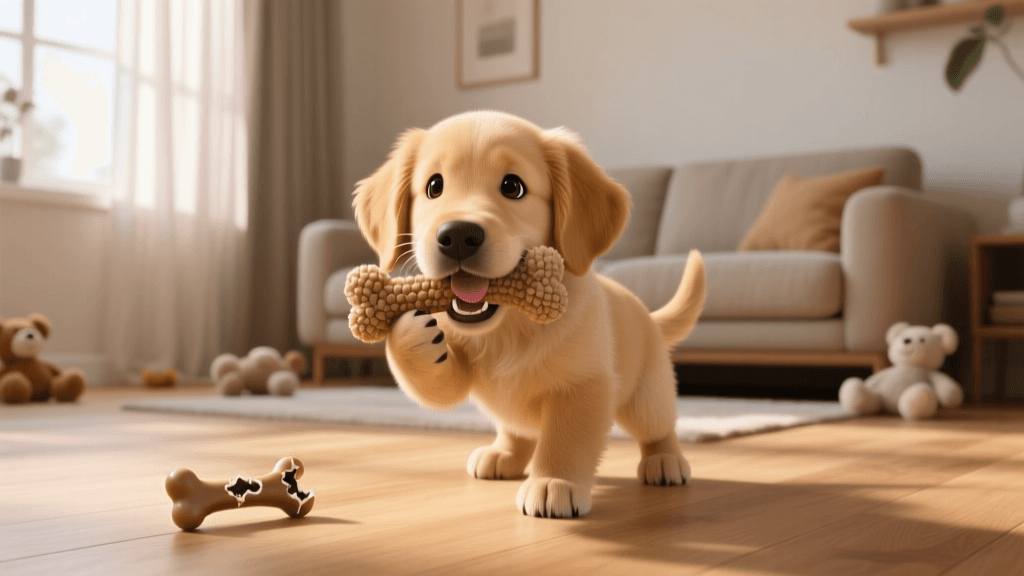
Bringing home a new puppy is a joyous occasion, but it often comes with a painful reality: the dreaded 'land shark' phase. If you have found yourself typing frantically into search engines at 2 AM while nursing a chewed-up hand, you are not alone. Puppy teething and the accompanying biting behaviors are among the most common concerns for new dog owners. To help you navigate this challenging developmental milestone, we have compiled answers to Google's most-asked questions about puppy teething, complete with actionable training strategies, product recommendations, and a comprehensive timeline.
Google's Most-Asked Questions About Puppy Teething
When do puppies start and stop teething?
Understanding the biological timeline of your puppy's dental development is the first step toward managing their chewing habits. Puppies are born without teeth, but their deciduous teeth (commonly known as baby teeth) begin to erupt rapidly within the first few weeks of life. By the time they reach eight weeks of age, they will have a full set of 28 sharp baby teeth. However, these are temporary.
According to the American Kennel Club (AKC), the transition from baby teeth to adult teeth typically begins around 12 to 16 weeks of age. During this period, the roots of the baby teeth are resorbed by the body, causing them to loosen and fall out, making way for the 42 permanent adult teeth. You may find tiny, rice-sized teeth on your carpet or in your puppy's food bowl during this window. This is entirely normal, though many puppies swallow their baby teeth while eating, which is completely harmless. Most puppies will have their complete set of adult teeth by the time they are six to seven months old. Below is a detailed breakdown of this developmental timeline.
| Age | Dental Milestone | Number of Teeth | Common Symptoms |
|---|---|---|---|
| 2-4 Weeks | Baby teeth begin to erupt | Incisors and Canines | Nursing discomfort for the mother |
| 5-8 Weeks | All baby teeth are fully grown | 28 Deciduous Teeth | Increased mouthing, needle-sharp bites |
| 12-16 Weeks | Baby teeth fall out, adult teeth emerge | Transitioning | Drooling, bleeding gums, excessive chewing |
| 6-7 Months | All permanent teeth are in place | 42 Adult Teeth | Biting shifts from teething pain to play/exploration |
Why do puppies bite hands, feet, and clothes?
It is crucial to understand that puppy biting is rarely an act of aggression. Instead, it is a natural combination of sensory exploration, play behavior, and pain relief. Dogs do not have hands; they use their mouths to investigate the texture, taste, and firmness of objects in their environment. When a puppy bites your ankles or hands, they are often initiating a game of tug-of-war or seeking a reaction.
Furthermore, the eruption of adult teeth through sensitive gum tissue is incredibly uncomfortable. Chewing applies counter-pressure to the gums, which temporarily alleviates the throbbing pain of teething. The ASPCA emphasizes that providing appropriate outlets for this chewing instinct is vital to prevent destructive behaviors and protect your belongings. Puppies learn initial bite inhibition from their littermates, but humans must continue this education once the puppy comes home.
What are the best teething toys and home remedies?
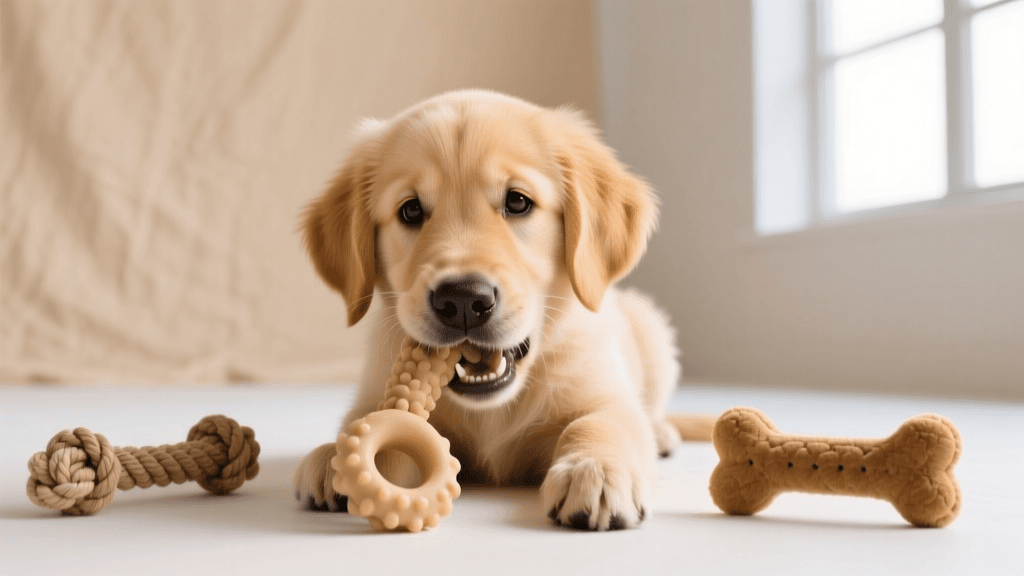
Not all chew toys are created equal, especially when it comes to soothing inflamed puppy gums. You need items that are durable enough to withstand sharp teeth but soft enough not to damage developing jaws. Cold items are particularly effective because the temperature numbs the gums and reduces inflammation. However, avoid extremely hard items like deer antlers, cooked bones, or solid ice cubes, as these can fracture fragile puppy teeth. Here is a comparison of the most effective teething remedies, including specific product names and estimated costs.
| Product / Remedy | Type | Estimated Cost | Best Use Case |
|---|---|---|---|
| KONG Classic (Puppy Rubber) | Stuffable Rubber | $10 - $15 | Stuff with plain yogurt or peanut butter and freeze for 4 hours to numb gums. |
| Nylabone Puppy Chew | Textured Nylon | $6 - $9 | Aggressive chewers who need varied textures to massage gum tissue safely. |
| Benebone Puppy Wishbone | Ergonomic Nylon | $12 - $15 | Puppies who struggle to hold standard bone shapes; the wishbone design offers leverage. |
| Frozen Whole Carrots | Natural / Edible | $2 - $3 (per bag) | Budget-friendly, low-calorie option that cleans teeth as it thaws and splinters safely. |
| Ice Cube Broth Treats | DIY Frozen | $1 - $2 | Freeze low-sodium chicken broth in an ice tray. Ensure cubes are small enough to prevent choking in breeds under 15 lbs. |
How do I stop my puppy from biting me?
While teething explains the need to chew, it does not excuse biting human skin. Teaching 'bite inhibition' is one of the most critical socialization tasks during the first year of a puppy's life. Bite inhibition refers to a dog's ability to control the force of their mouthing. Here is a proven, three-step protocol to stop puppy biting:
- Step 1: The 'Ouch' and Ignore Method. When your puppy's teeth make contact with your skin, immediately let out a high-pitched 'Ouch!' or yelp to mimic the sound of a littermate. Then, stand up, cross your arms, and completely ignore the puppy for 15 to 20 seconds. This teaches them that biting makes the fun stop.
- Step 2: Redirection (The Trade-Up). Always keep a designated teething toy in your pocket. If the puppy lunges for your hand, intercept the bite by placing the toy in their mouth instead. Praise them calmly when they chew the appropriate item. According to The Humane Society of the United States, consistent redirection helps puppies differentiate between acceptable chew items and human skin.
- Step 3: The Reverse Time-Out. If the puppy is overly aroused and continues to bite despite redirection, do not put the puppy in a crate (which can create negative associations with the crate). Instead, calmly leave the room and close the door for 30 seconds. You are removing your attention, which is the puppy's most valued resource.
- Step 4: Puppy Kindergarten. Enroll in a positive-reinforcement puppy kindergarten class (typically costing $150 to $250 for a 6-week course) to practice bite inhibition with other puppies in a controlled, supervised environment.
When should I worry about retained baby teeth?
Sometimes, a puppy's baby teeth do not fall out on schedule, a condition known as retained deciduous teeth. This is particularly common in small and toy breeds, such as Chihuahuas, Yorkshire Terriers, and Pomeranians. If an adult tooth erupts while the baby tooth is still firmly in place, it can cause severe crowding, misalignment of the jaw, and trap food debris, leading to early periodontal disease.
If you notice two teeth occupying the same space after your puppy is six months old, consult your veterinarian. Extracting retained baby teeth is a routine surgical procedure, but it requires general anesthesia. Pet owners should budget between $300 and $800 for veterinary dental extractions, depending on your geographic location and the number of teeth involved. Regular veterinary wellness checks at 8, 12, and 16 weeks will allow your vet to monitor dental progression and intervene early if necessary.
Puppy Teething Survival Checklist
Surviving the teething phase requires preparation, patience, and consistency. Use this actionable checklist to ensure you are fully equipped for your puppy's dental development:
- Puppy-Proof Your Home: Remove electrical cords, toxic houseplants, and expensive shoes from floor level. Use bitter apple spray (costing around $10-$15) on baseboards and furniture legs to deter inappropriate chewing.
- Stock the Freezer: Always have at least three frozen KONG toys or frozen carrots ready to go. When a chewing frenzy hits, you need immediate, cold relief options.
- Rotate Toys Weekly: Puppies lose interest in toys quickly. Keep a rotation of 5-7 toys, swapping them out every few days to maintain novelty and keep your puppy engaged with their own belongings rather than your furniture.
- Enforce Nap Times: Puppies need 18 to 20 hours of sleep per day. Overtired puppies lose their impulse control and bite significantly harder and more frequently. If the biting is relentless, it is likely time for an enforced nap in their crate or playpen.
- Schedule Dental Exams: Ensure your veterinarian checks your puppy's bite alignment and tooth eruption at every vaccine appointment to catch retained teeth early.
By understanding the biological drivers behind your puppy's chewing and consistently applying bite inhibition training, you will successfully navigate this messy milestone. Remember, the land shark phase is temporary, but the polite manners you teach today will last a lifetime.
priya-sutaria
All our authors care for dogs every day — read more of their work on the authors page.