Puppy Fear Periods: A Behaviorist Guide to Socialization
Learn how to navigate puppy fear periods with expert behavior analysis. Discover actionable desensitization techniques and socialization timelines.
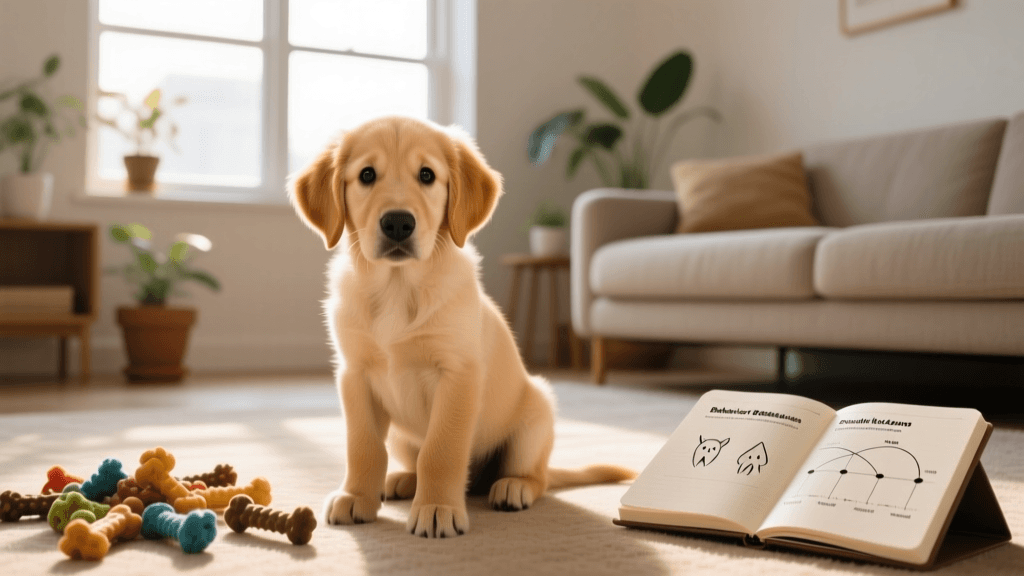
The Neurobiology of Puppy Fear Periods
From a behavioral and neurobiological perspective, a puppy's first year is defined by rapid synaptic pruning and limbic system development. During specific developmental windows, known as "fear periods," the amygdala—the brain's threat-detection center—becomes hyper-reactive. Cortisol and epinephrine levels spike more easily, meaning experiences that might normally be dismissed as neutral can be encoded as lifelong phobias. Understanding these periods is not merely about avoiding bad experiences; it is about actively structuring the puppy's environment to promote neurological resilience and successful habituation.
As canine behaviorists, we do not view fear as a "bad behavior" to be corrected. Instead, fear is a vital survival mechanism. According to the American Veterinary Medical Association (AVMA), proper socialization during these critical windows is essential for behavioral health, but it must be done carefully to avoid flooding the puppy's nervous system.
Identifying the Two Critical Fear Windows
First Fear Period: 8 to 11 Weeks
This window coincides with the puppy's transition from the litter to their new home. Evolutionarily, this is the exact moment a wild canid would begin exploring outside the den, making a healthy fear response crucial for avoiding predators. During this time, the puppy is highly impressionable. A single traumatic event—such as a painful veterinary procedure without fear-free protocols, or being chased by a larger dog—can result in permanent sensitization. The behavioral goal here is to build a "trust account" through positive classical conditioning, ensuring the puppy associates novel stimuli with safety and high-value rewards.
Second Fear Period: 6 to 14 Months
Often referred to as the adolescent fear period, this window is less predictable and can last anywhere from a few weeks to several months. It coincides with sexual maturity and significant brain reorganization. Owners frequently report that their puppy suddenly becomes terrified of familiar objects, such as a trash can they have passed a hundred times, or a neighbor wearing a hat. The American Kennel Club (AKC) notes that forcing a puppy to confront these fears during this period can severely damage their confidence and exacerbate the fear response. The behaviorist approach is to respect the dog's threshold and use desensitization techniques.
Behavioral Analysis: Reading Canine Stress Signals
Before implementing any behavior modification protocol, an owner must become fluent in canine body language. Fear does not always manifest as cowering or barking. Early indicators of amygdala activation (stress) include:
- Displacement Behaviors: Sudden ground sniffing, scratching, or yawning when no physical need exists.
- Appeasement Gestures: Lip licking, turning the head away, or exposing the ventral region (belly) in a tense, frozen posture.
- Autonomic Responses: Piloerection (raised hackles), dilated pupils, and increased respiratory rate (panting when not hot).
- Whale Eye: Showing the whites of the eyes while keeping the head turned away from the stimulus.
Expert Insight: If your puppy exhibits any of these early stress signals, they are approaching their "threshold." Pushing them past this point into a state of fight-or-flight renders learning neurologically impossible, as the prefrontal cortex goes offline.
Expert Protocol: Desensitization and Counter-Conditioning (DS/CC)
Desensitization and Counter-Conditioning (DS/CC) is the gold standard for managing fear periods. The objective is to change the puppy's emotional response to a trigger from negative (fear) to positive (anticipation of reward).
Step-by-Step DS/CC Implementation
- Establish Sub-Threshold Distance: Identify the distance at which the puppy notices the trigger but remains under their fear threshold (e.g., they look at the trigger but will still happily eat a treat). This might be 50 feet for a noisy garbage truck, or 15 feet for a stranger.
- The Engage-Disengage Game: When the puppy looks at the trigger, immediately mark the behavior with a clicker or a consistent marker word like "Yes!" within 0.5 seconds. This precise timing is critical for the hippocampus to map the event.
- Deliver High-Value Reinforcement: Follow the marker with a treat that is pea-sized (under 3 calories) but exceptionally high-value, such as Vital Essentials freeze-dried beef liver or Zuke's Mini Naturals.
- Repeat and Retreat: After 3-5 successful repetitions, increase the distance or end the session. Keep sessions under 10 minutes to prevent cognitive fatigue.
Trigger Hierarchy and Threshold Management Table
The following table outlines a structured approach to common urban and suburban triggers during a puppy's fear period. Distances are baselines and must be adjusted based on the individual dog's stress signals.
| Trigger Type | Sub-Threshold Starting Distance | Reinforcer Value | Behavioral Goal |
|---|---|---|---|
| Heavy Machinery / Sirens | 100+ feet | High (Freeze-dried minnows, boiled chicken) | Habituation to sudden acoustic spikes |
| Unfamiliar Humans (Direct Approach) | 20-30 feet | Medium-High (Zuke's Mini Naturals, cheese) | Counter-conditioning to human proximity |
| Novel Objects (Trash cans, statues) | 10-15 feet | Medium (Kibble, carrot bits) | Encouraging voluntary investigation (neophilia) |
| Other Dogs (Leashed, reactive) | 50+ feet (Visual barrier if needed) | High (Lickable treats like peanut butter on a spoon) | Disengagement and focus on handler |
For comprehensive guidelines on safe socialization practices that balance disease risk with behavioral needs, refer to the ASPCA's resources on puppy socialization, which emphasize structured, positive exposure over uncontrolled dog park visits.
Recommended Behavioral Support Products
To support your puppy's nervous system during these vulnerable windows, integrate the following tools into your daily management plan:
- Adaptil Junior Pheromone Collar (Approx. $25 - $30): This collar releases a synthetic analogue of the Dog Appeasing Pheromone (DAP), which is naturally produced by nursing mothers. Clinical studies indicate it can significantly reduce stress-related behaviors and vocalization in puppies adjusting to new environments.
- Snuffle Mat for Foraging (Approx. $20 - $35): Behavioral enrichment is vital during fear periods when outdoor walks might be limited due to threshold management. A snuffle mat encourages natural foraging behaviors, which releases dopamine and lowers cortisol levels, promoting a state of calm.
- Kong Puppy (Approx. $12 - $18): Fill this with a mixture of plain Greek yogurt, goat milk, and pureed pumpkin, then freeze it. Licking is a self-soothing behavior that stimulates the parasympathetic nervous system, helping the puppy self-regulate after a stressful encounter.
Conclusion
Navigating a puppy's fear periods requires patience, keen observation, and a commitment to scientific behavior modification principles. By respecting your puppy's thresholds, utilizing precise counter-conditioning protocols, and leveraging high-value reinforcement, you can guide them through these sensitive neurological windows. Remember, the goal of socialization is not to force a puppy to interact with everything in their environment, but to teach them that the world is a safe, predictable place where they can confidently disengage from stressors and look to you for guidance.
jonas-cole
All our authors care for dogs every day — read more of their work on the authors page.