First-Time Owner Guide to Puppy Teething and Safe Toys
Discover a complete puppy teething timeline, safe chew toy recommendations, and practical tips to save your furniture during this challenging stage.
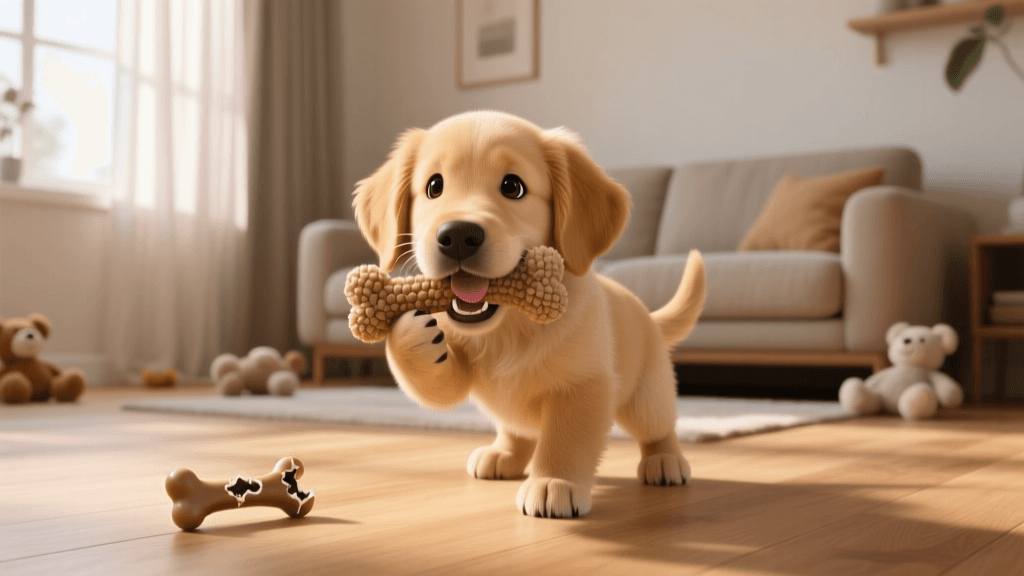
The First-Time Owner Shock: Surviving the Land Shark Phase
Bringing home a new puppy is an exhilarating experience, but first-time owners are often caught off guard by one specific developmental milestone: teething. Between the ages of three and six months, your adorable furball will temporarily transform into a relentless chewing machine, often earning the nickname "land shark." Understanding the biology behind this phase, knowing exactly which toys are safe, and learning how to redirect destructive chewing are essential skills for any new dog owner. This comprehensive guide will walk you through the puppy teething timeline, provide a curated list of safe chew toys with estimated costs, and offer actionable training strategies to protect your furniture, your fingers, and your puppy's developing dental health.
The Complete Puppy Teething Timeline
Puppies go through several distinct dental stages during their first year. According to VCA Animal Hospitals, puppies are born without teeth, but their deciduous (baby) teeth erupt quickly to help them transition to solid food. By the time they reach six months of age, they should have a full set of 42 adult teeth.
| Age Range | Dental Milestone | What to Expect |
|---|---|---|
| 2 to 4 Weeks | Baby teeth erupt | Incisors and canines begin to push through the gums. Puppies may nurse more aggressively. |
| 5 to 6 Weeks | All 28 baby teeth present | The puppy is fully capable of eating kibble. Biting and mouthing behaviors begin during play. |
| 12 to 16 Weeks | Baby teeth fall out | You may find tiny teeth on the floor or in toys. Gums will be red, swollen, and sensitive. |
| 4 to 6 Months | Adult teeth erupt | The 42 permanent teeth push out the remaining baby teeth. Chewing intensity peaks during this window. |
| 6+ Months | Full adult dentition | All adult teeth should be fully seated. Any retained baby teeth require veterinary evaluation. |
Top Vet-Approved Safe Chew Toys (With Costs)
When your puppy's gums are inflamed, they will seek relief by gnawing on whatever is nearby. Providing appropriate, safe outlets is crucial. Here are the best options for first-time owners, balancing durability, safety, and budget.
1. KONG Classic Puppy (Rubber)
Estimated Cost: $10 - $15
The puppy-specific KONG is made from a softer, pink or blue rubber formula designed specifically for developing teeth and jaws. Actionable Tip: Plug the small hole with a dab of xylitol-free peanut butter, fill the cavity with plain Greek yogurt or low-sodium chicken broth, and freeze it overnight. The cold temperature numbs sore gums, while the durable rubber satisfies the urge to chew.
2. Nylabone Puppy Chew Keys
Estimated Cost: $8 - $12
Made from a flexible, non-toxic polymer, these multi-textured keys massage the gums and help clean teeth. They are designed to be soft enough not to fracture puppy teeth but durable enough to withstand weeks of aggressive chewing. Replace the toy once the nubs are worn down to the base to prevent choking hazards.
3. Benebone Puppy Wishbone
Estimated Cost: $12 - $16
Infused with real bacon flavor and made from a slightly softer nylon than their adult versions, the ergonomic wishbone shape allows puppies to easily grip the toy with their front paws while they chew. This is excellent for independent play sessions and helps build jaw strength safely.
4. Whole Frozen Carrots
Estimated Cost: $0.15 - $0.30 per serving
For a natural, low-calorie alternative, peel a large carrot, soak it in water or low-sodium bone broth, and freeze it solid. The crunch provides excellent gum relief, and it is entirely digestible. Always supervise your puppy to ensure they do not choke on large broken chunks.
Hazardous Chew Items to Strictly Avoid
Not all pet store toys are created equal. The American Veterinary Medical Association (AVMA) warns against items that are harder than a dog's tooth enamel, as these can cause painful slab fractures in the premolars.
- Rawhide Chews: Often treated with harsh chemicals and posing a severe intestinal blockage or choking hazard as the puppy swallows large, unchewed strips.
- Antlers and Hooves: Far too dense for puppy teeth. These frequently lead to emergency veterinary visits for broken teeth and exposed pulp.
- Hard Plastic Bones: Can splinter into sharp shards that may puncture the gums, palate, or digestive tract.
- Ice Cubes: While cold, standard ice cubes are too hard and can cause micro-fractures in delicate puppy teeth. Stick to frozen broth or wet washcloths instead.
- Household Textiles: Socks, shoes, and children's toys are notorious for causing gastrointestinal obstructions that require expensive emergency surgery.
Actionable Training: How to Stop Puppy Biting
Providing toys is only half the battle; you must also teach your puppy bite inhibition. The American Kennel Club (AKC) emphasizes that puppies learn bite inhibition through feedback. When a puppy bites your hand too hard during play, use the following protocol:
- The "Ouch" Method: Let out a high-pitched "Ouch!" or yelp to mimic a littermate's reaction. Immediately stop playing and withdraw your attention for 10 to 15 seconds. This teaches the puppy that hard bites result in the end of fun.
- The Trade-Up Game: If the puppy targets a forbidden item (like a shoe or table leg), do not chase them. Instead, approach calmly, offer a high-value chew toy (like a frozen KONG), and praise them enthusiastically when they drop the forbidden item to take the toy.
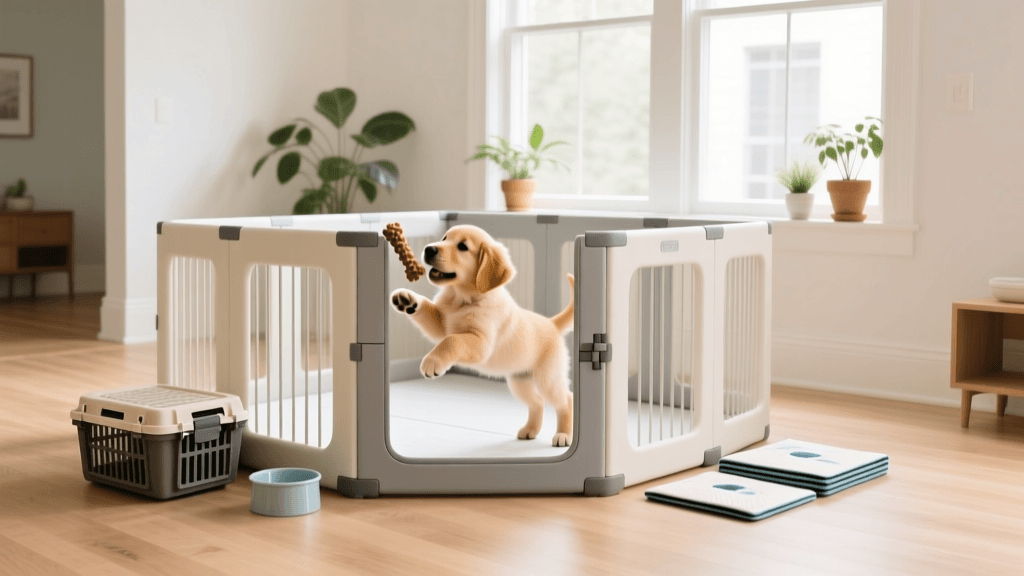
- Environmental Management: Use baby gates to restrict access to carpeted rooms or rooms with exposed electrical cords. For wooden furniture legs, apply a pet-safe bitter deterrent spray like Grannick's Bitter Apple (approximately $12 for an 8oz bottle) to make the wood unappealing.
- Mental and Physical Fatigue: A tired puppy is less likely to engage in destructive chewing. Ensure your puppy is getting the recommended 5 minutes of structured exercise per month of age, twice a day. Incorporate puzzle feeders and snuffle mats to drain mental energy.
Veterinary Red Flags: Retained Baby Teeth
While most baby teeth fall out naturally, some puppies—particularly small and toy breeds like Chihuahuas, Yorkies, and Pomeranians—experience retained deciduous teeth. This occurs when the adult tooth erupts alongside the baby tooth rather than pushing it out.
"Retained baby teeth can cause food and hair to become trapped between the adult and baby teeth, leading to severe periodontal disease and misalignment of the adult bite." - Veterinary Dental Guidelines
If you notice a double row of teeth or "shark teeth" after your puppy is five months old, schedule a veterinary dental evaluation. Extraction is a routine procedure often performed at the time of spaying or neutering (around six months of age) to prevent long-term orthodontic issues and jaw pain.
Establishing Early Dental Hygiene
The teething phase is also the perfect window to introduce a lifelong dental care routine. While your puppy is accustomed to you handling their mouth to check for loose teeth, gently introduce them to canine-specific enzymatic toothpaste (poultry or beef flavor, never human toothpaste). Start by letting them lick the paste off your finger, then progress to rubbing their gums with a silicone finger brush. This early desensitization will save you from struggling with a resistant adult dog during daily brushing sessions.
Final Thoughts for First-Time Owners
The teething phase is temporary, but the habits you establish now will last a lifetime. By investing $30 to $50 in a rotation of safe, freezable chew toys, puppy-proofing your living space, and consistently redirecting inappropriate chewing, you will guide your puppy through this uncomfortable milestone with minimal damage to your home. Remember, patience, supervision, and proactive management are your best tools for surviving the puppy teething stage and raising a well-adjusted, happy adult dog.
tom-renshaw
All our authors care for dogs every day — read more of their work on the authors page.