Puppy Teething Psychology and Best Soothing Toys for 2026
Understand the psychology behind puppy teething and discover the best soothing chew toys for 2026 to protect your furniture and comfort your pup.
The Neurological Drive: Why Puppies Must Chew
When a puppy sinks their teeth into your favorite pair of sneakers, it is easy to view the behavior as purely destructive. However, from a canine behavioral psychology perspective, chewing is a vital neurological and developmental milestone. Teething is not merely about sharp teeth breaking through sensitive gums; it is a complex sensory experience that helps puppies map their environment, relieve intense oral discomfort, and self-soothe through the release of endorphins.
According to veterinary behaviorists, the act of chewing stimulates mechanoreceptors in the periodontal ligament, which sends calming signals to the brain. This is why a stressed or overstimulated puppy will often seek out a chew toy to regulate their nervous system. Understanding this psychological drive is the first step in redirecting inappropriate chewing toward safe, effective outlets. As we navigate the pet care market in 2026, the best teething toys are those that satisfy this deep-seated biological need while promoting healthy jaw development and dental hygiene.
The Three Stages of Canine Teething
To select the right toy, you must first understand where your puppy is in their developmental timeline. The teething process occurs in three distinct phases, each requiring different textures and levels of resistance.
Stage 1: Deciduous Teeth Eruption (3 to 6 Weeks)
During this early stage, a puppy's baby teeth (incisors and canines) begin to emerge. At this age, puppies are usually still with their breeder or littermates, learning crucial bite inhibition through play. Their gums are incredibly tender, and they require ultra-soft textures that mimic the give of a littermate's ear or tail.
Stage 2: The Transition Phase (12 to 16 Weeks)
This is the stage where most puppies enter their forever homes, and it is notoriously the most painful. The roots of the deciduous teeth begin to dissolve, making way for adult teeth. Puppies will exhibit increased drooling, mild whining, and a frantic need to gnaw on anything that provides counter-pressure to their aching gums. This is the critical window for establishing appropriate chewing habits.
Stage 3: Adult Teeth Settling (4 to 6 Months)
By this stage, the adult molars and premolars are pushing through the dense gum tissue at the back of the mouth. The puppy's jaw strength increases exponentially. Toys that were sufficient at 12 weeks may now be destroyed in minutes, posing a severe choking hazard. Upgrading to high-durability, textured toys is essential to accommodate their growing bite force.
Breed-Specific Chewing Profiles
Not all puppies chew with the same intent. Breed instincts heavily influence how a dog interacts with a teething toy. Recognizing these instincts allows you to choose a toy that aligns with their natural drives.
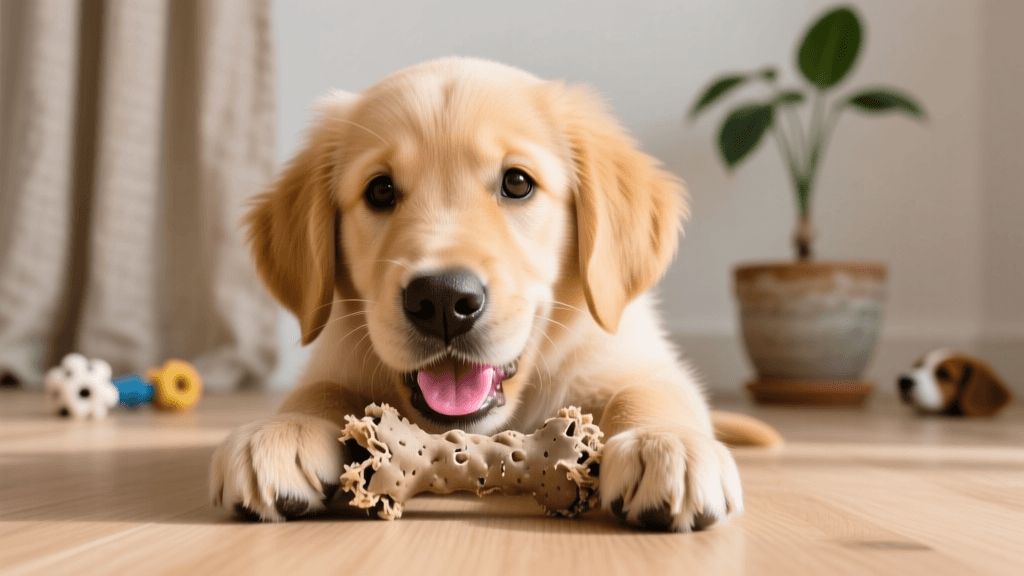
- Retrievers and Spaniels: Bred to carry game gently, these breeds are highly 'mouth-oriented.' They prefer soft, compressible rubber toys that they can hold and carry around the house. Stuffable toys that engage their foraging instincts are highly effective.
- Terriers: Possessing a high prey drive, terriers prefer to 'kill' their toys. They need toys that offer resistance, make crinkling or squeaking sounds, and can withstand aggressive shaking and shredding motions without breaking apart.
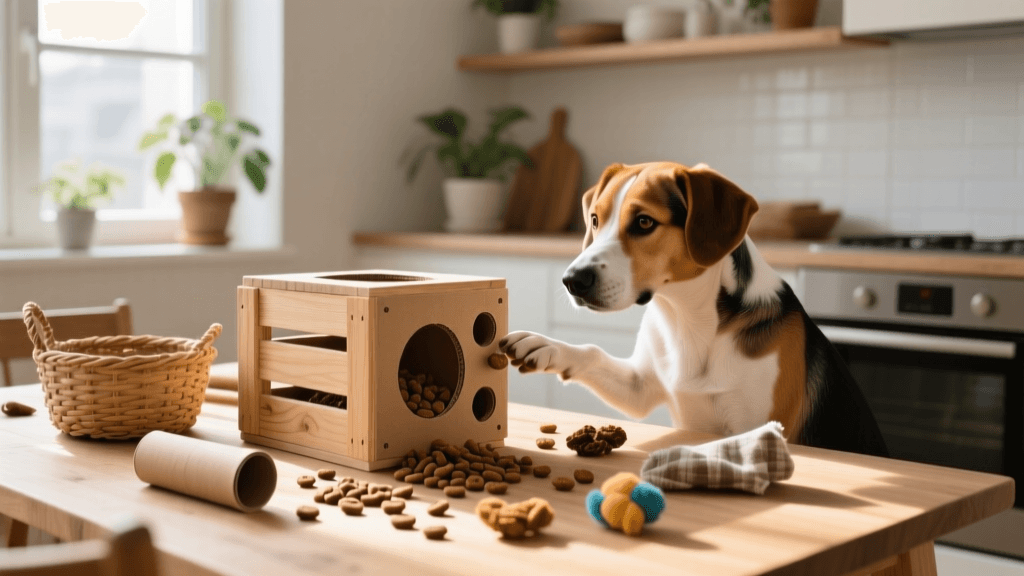
- Herding Breeds: Border Collies and Australian Shepherds often express their teething discomfort by nipping at moving targets (like ankles). Redirecting this energy requires interactive tug toys or puzzle feeders that engage their high cognitive needs while soothing their gums.
Top Vet-Approved Teething Toys for 2026
The 2026 market has seen a shift away from cheap, easily destructible plastics toward sustainable, veterinary-dentist-approved materials. Below is a comparison of the most effective teething toys currently available, categorized by their behavioral benefits.
| Toy Model (2026) | Material and Texture | Best Teething Stage | Behavioral Benefit | Est. Price |
|---|---|---|---|---|
| KONG Puppy (Classic) | Soft, compressible natural rubber | Stage 2 (12-16 Weeks) | Promotes foraging and licking, which releases calming endorphins. | $14.99 |
| Nylabone Power Chew Puppy | Textured, flexible nylon with raised bristles | Stage 3 (4-6 Months) | Acts as a canine toothbrush; satisfies the urge for heavy resistance. | $9.49 |
| Petstages Cool Teething Stick | Cotton-poly blend with internal cooling gel | Stage 2 (12-16 Weeks) | Cold therapy reduces gum inflammation and numbs sharp pain. | $11.99 |
| Benebone Puppy Wishbone | Ergonomic bacon-infused nylon | Stage 3 (4-6 Months) | Ergonomic shape allows paws to hold the toy, building coordination. | $13.50 |
Sensory Enrichment: Stuffing and Freezing Techniques
A hollow rubber toy is only as good as what you put inside it. From a psychological standpoint, extracting food from a toy mimics the natural scavenging behavior of wild canids. This mental stimulation tires a puppy out just as much as a physical walk. To maximize the soothing effects during the painful Stage 2 of teething, utilize the 'Triple-Layer Freeze' method:
- Base Layer: Smear a small amount of xylitol-free peanut butter or plain Greek yogurt at the very bottom of the toy to provide a high-value reward that keeps them engaged until the end.
- Middle Layer: Fill the bulk of the toy with a mixture of mashed pumpkin puree and low-sodium chicken bone broth. The liquid will freeze solid, requiring the puppy to use their tongue and teeth to melt and extract it.
- Top Layer: Plug the top hole with a piece of freeze-dried liver or a large kibble to prevent the liquid from leaking out while freezing upright for at least 4 hours.
The cold temperature constricts blood vessels in the gums, drastically reducing swelling, while the licking action stimulates the parasympathetic nervous system, helping an overtired puppy finally settle down for a nap.
The Behavioral 'Trade-Up' Technique
Even with the best toys, puppies will inevitably make mistakes and chew on furniture or shoes. How you react in these moments shapes their long-term behavior. Snatching an item from a puppy's mouth or chasing them teaches them that chewing human items initiates a fun game of 'keep away,' or worse, triggers resource guarding aggression.
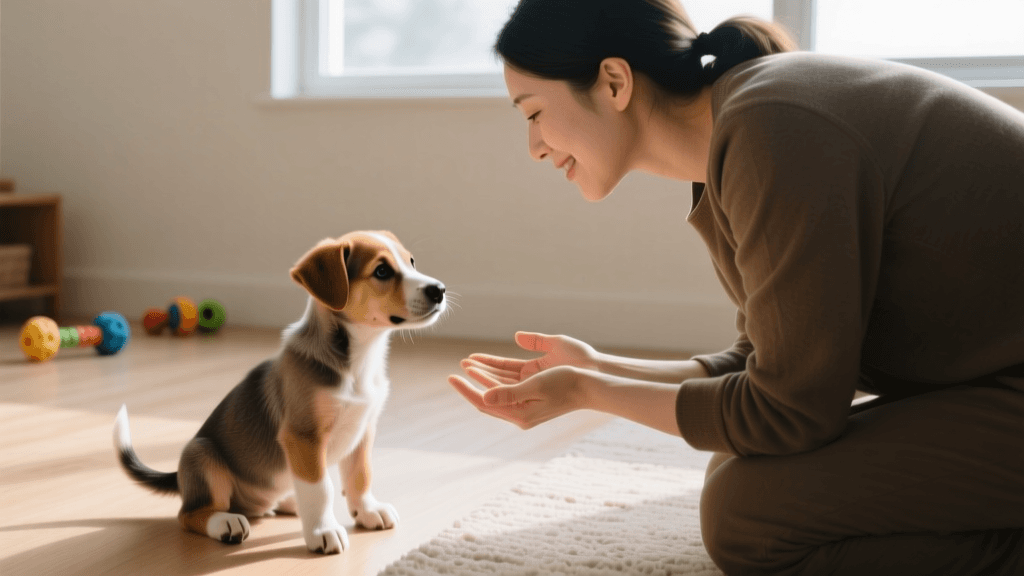
Instead, behaviorists recommend the 'Trade-Up' game. If you catch your puppy chewing on a forbidden item, calmly approach them with a high-value teething toy—such as a frozen KONG or a freshly boiled, safe chew. Present the toy near their nose. The moment they drop the shoe to investigate the toy, praise them calmly and remove the shoe without making a fuss. As noted by the ASPCA's guidelines on destructive chewing, consistently rewarding the choice to chew on appropriate items builds a positive association, eventually making the dog choose the toy over the furniture on their own.
Safety First: What to Avoid in 2026
Not all toys marketed for puppies are safe. The veterinary dentistry community has become increasingly vocal about the dangers of overly hard chews that can cause slab fractures in developing adult teeth. A good rule of thumb is the 'thumbnail test': if you cannot indent the toy with your thumbnail, it is too hard for a teething puppy.
Avoid traditional rawhide, which poses severe gastrointestinal blockage risks and is often treated with harsh chemicals during manufacturing. Additionally, steer clear of weight-bearing marrow bones and hard antlers. According to VCA Animal Hospitals, a puppy's developing teeth are more porous and brittle than adult teeth, making them highly susceptible to cracking under excessive pressure. Always supervise your puppy with any new toy, and inspect it daily for signs of wear, tearing, or missing chunks that could be swallowed.
Conclusion: Patience and Proactive Management
Surviving the puppy teething phase requires a blend of empathy, environmental management, and the right tools. By understanding the neurological relief that chewing provides, you can shift your perspective from frustration to proactive support. Stock your home with a variety of textures—from soft, freezable cotton blends to durable, textured nylons—and rotate them regularly to maintain your puppy's interest. With the right 2026-approved toys and consistent behavioral redirection, you will not only protect your belongings but also help your puppy build a lifetime of healthy, safe chewing habits.
priya-sutaria
All our authors care for dogs every day — read more of their work on the authors page.