The Puppy Teething Survival Guide: 3 to 6 Month Stage
Navigate the 3 to 6 month puppy teething stage with our life stage care guide. Discover timelines, safe chew toys, and bite inhibition tips.
Understanding the 3 to 6 Month Teething Timeline
Welcome to one of the most challenging yet entirely normal developmental milestones in your dog's first year: the teething phase. Between the ages of three and six months, your adorable, cuddly puppy will transform into a relentless chewing machine. As a core component of our Life Stage Care Guides, this article provides actionable, stage-specific advice to help you protect your belongings, soothe your puppy's sore gums, and establish lifelong bite inhibition habits.
The Biology of Canine Tooth Eruption
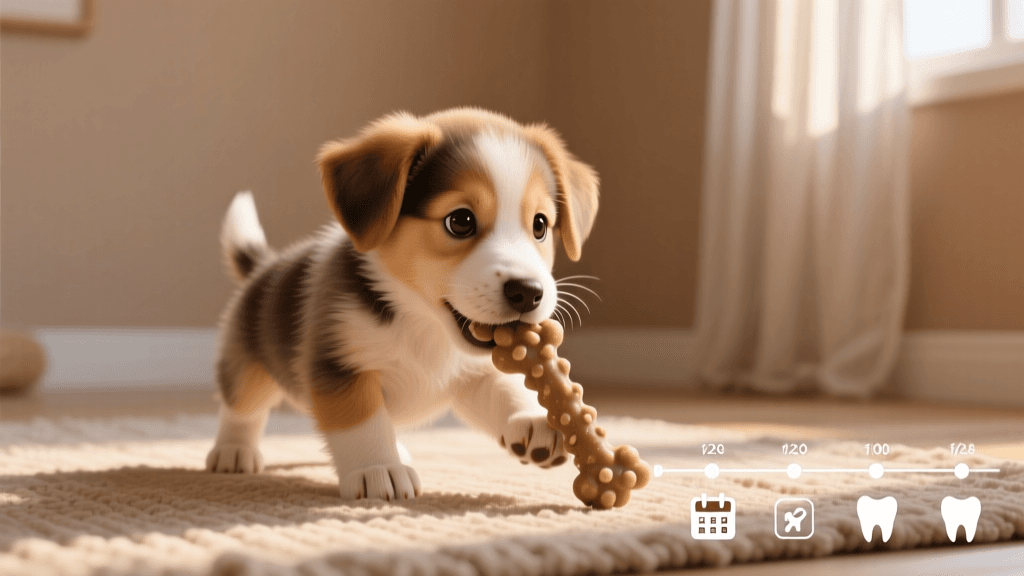
Puppies are born entirely toothless, but by the time they reach eight weeks of age, they have a full set of 28 sharp deciduous (baby) teeth. However, as your puppy enters the three-month mark, their jaw begins to grow and change shape. According to VCA Animal Hospitals, this growth causes the baby teeth to loosen and fall out, making way for the 42 permanent adult teeth. The incisors are usually the first to go around 12 to 16 weeks, followed by the canines at roughly 16 weeks, and finally the premolars and molars between 20 and 24 weeks. By the time your puppy is six months old, the teething process should be entirely complete.
The Best Chew Toys for Teething Puppies
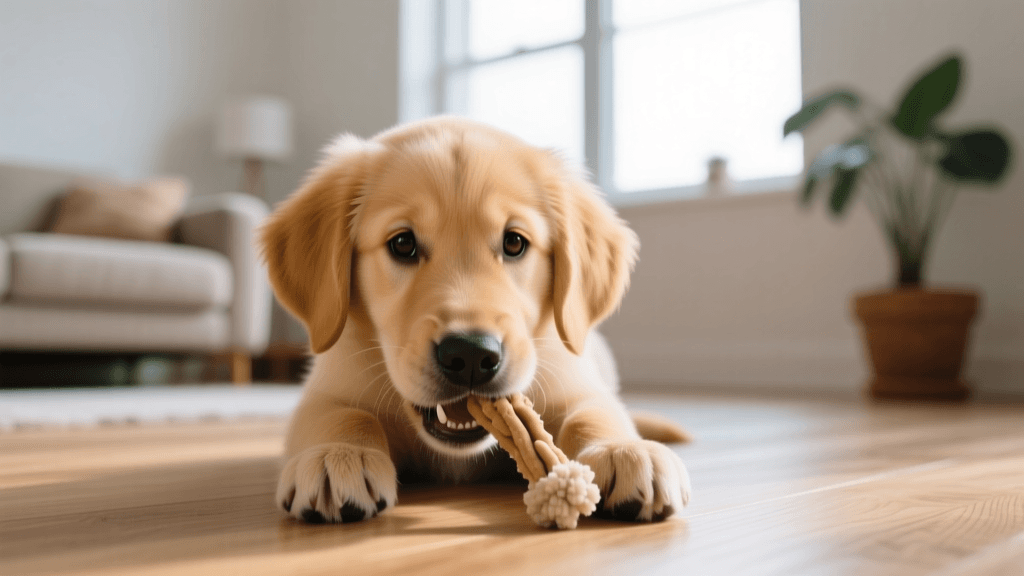
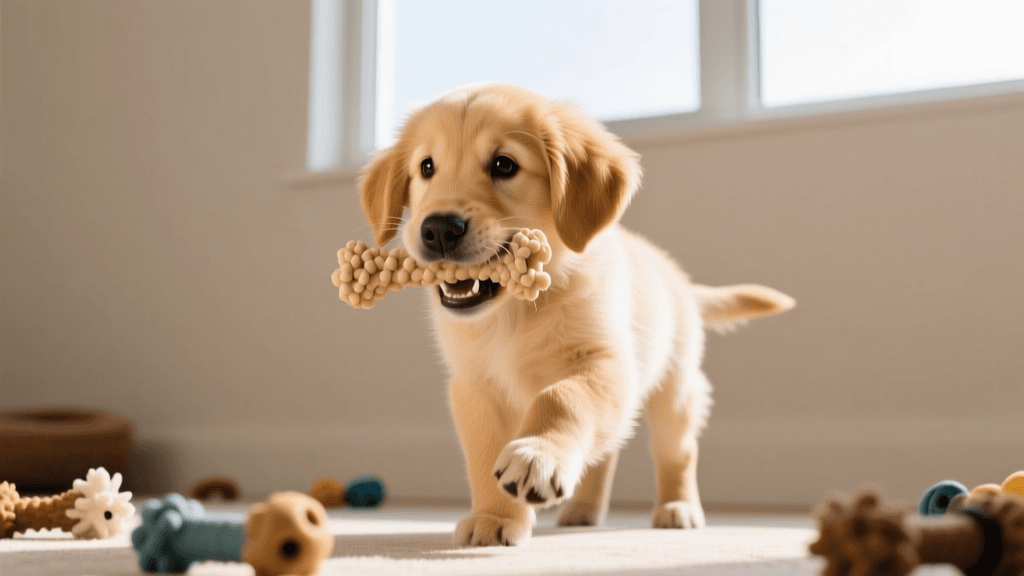
During this life stage, chewing is not a behavioral issue; it is a biological necessity. Chewing helps massage sore gums and dislodges stubborn baby teeth. Providing appropriate outlets for this instinct is critical. Below is a comparison of the most effective, veterinarian-recommended chew toys for the three to six-month life stage.
| Toy Type | Material | Best For | Estimated Cost |
|---|---|---|---|
| KONG Classic (Puppy) | Softer Natural Rubber | Stuffing with wet food and freezing | $10 - $14 |
| Nylabone Puppy Chew | Flexible Nylon | Gentle gnawing and gum massage | $5 - $8 |
| Petstages Cool Teething Stick | Cotton/Poly Blend | Soaking in water and freezing | $8 - $12 |
| Benebone Puppy Wishbone | Bacon-infused Nylon | Aggressive chewers needing grip | $12 - $15 |
How to Properly Size and Stuff a KONG Toy
The American Kennel Club (AKC) highly recommends puzzle feeders like the KONG to keep teething puppies mentally stimulated and physically soothed. Sizing is crucial for safety: a 10-pound puppy requires an 'X-Small' or 'Small' Puppy KONG, while a 25-pound puppy needs a 'Medium'. To create a soothing, long-lasting treat, layer the toy: plug the small hole with a dab of dog-safe peanut butter (ensure it is xylitol-free), fill the hollow center with 1/4 cup of your puppy's regular kibble mixed with 2 tablespoons of plain, unsweetened Greek yogurt, and freeze it for 4 to 6 hours. The frozen treat will numb inflamed gums and provide up to 45 minutes of quiet chewing time.
Teaching Bite Inhibition During the Teething Phase
While chewing on toys is encouraged, chewing on human skin is not. The three to six-month window is the absolute critical period for teaching 'bite inhibition'—a dog's ability to control the force of their mouthing. Puppies learn this naturally from their littermates, but once they enter your home, you must take over the teaching role.
The 'Ouch' and Redirect Method
When your puppy's teeth make contact with your skin, follow this strict protocol:
- Step 1: The Vocal Cue. Let out a high-pitched 'Ouch!' or 'Yelp!' to mimic the sound a littermate would make. Immediately withdraw your hand and stand up, turning your back for 10 to 15 seconds. This teaches the puppy that teeth on skin results in the end of playtime.
- Step 2: The Redirect. After the brief time-out, re-engage with the puppy, but immediately place an appropriate chew toy (like a frozen teething stick) into their mouth before they can latch onto you again.
- Step 3: Praise the Right Choice. When the puppy chews the toy, offer calm, verbal praise. This reinforces that toys yield attention, while human skin yields isolation.
Consistency is paramount. Every family member and visitor must enforce the exact same rules, or the puppy will become confused and the nipping behavior will persist.
Puppy Proofing Your Home for a Teething Puppy
A teething puppy explores the world with their mouth, meaning your home is essentially an all-you-can-eat buffet of textures. The ASPCA emphasizes that managing the environment is just as important as training the dog. Here is a stage-specific puppy-proofing checklist with estimated costs:
- Cord Protectors ($15 - $25): Puppies love the rubbery texture of electrical cords, which poses a severe electrocution hazard. Use split loom tubing or PVC cord covers to encase all accessible wires.
- Bitter Apple Spray ($8 - $12): Apply this non-toxic, foul-tasting deterrent to wooden table legs, baseboards, and shoe racks. Reapply every 48 hours, as the scent fades and the puppy's drive to chew is relentless during month four.
- Exercise Pen Setup ($40 - $60): When you cannot actively supervise your puppy, confine them to a wire exercise pen equipped with a waterproof mat, a bed, water, and safe chew toys. Unsupervised roaming during the teething stage is a recipe for destroyed furniture and veterinary emergencies.
Soothing Sore Gums: Home Remedies and Vet Care
Just like human toddlers, puppies in the 3 to 6 month stage can experience significant oral discomfort. You may notice a slight decrease in appetite, drooling, or even small spots of blood on their chew toys. This is generally normal. You can soothe their gums by offering chilled (not rock-hard frozen) carrots or a clean, wet washcloth that has been twisted into a rope and frozen for two hours.
When to Consult Your Veterinarian
While teething is a natural life stage, complications can arise. Schedule an appointment with your veterinarian if you observe any of the following red flags:
- Retained Deciduous Teeth: If you see an adult tooth erupting while the baby tooth is still firmly in place (often creating a 'double row' of teeth), a vet must extract the baby tooth to prevent severe orthodontic issues and jaw pain.
- Excessive Bleeding: A few drops of blood on a toy is normal, but active, continuous bleeding from the gums requires immediate medical attention.
- Facial Swelling or Lethargy: These are not normal teething symptoms and could indicate an oral infection, an abscess, or a systemic illness that coincidentally aligns with the teething timeline.
By understanding the biological drivers behind your puppy's chewing, providing appropriate and soothing outlets, and consistently enforcing bite inhibition, you will successfully guide your dog through the 3 to 6 month life stage. The effort you invest during this brief window will result in a well-mannered, comfortable, and happy adult dog.
aaron-whyte
All our authors care for dogs every day — read more of their work on the authors page.