Top Puppy Socialization and Training Myths Debunked
Discover the truth behind common puppy socialization and training myths. Learn actionable, vet-approved tips for your puppy's crucial first year.
Navigating the Maze of Puppy Training Advice
Bringing a new puppy home is one of the most exciting milestones in a dog owner's life. However, the sheer volume of advice from well-meaning friends, family members, and internet forums can be overwhelming. Unfortunately, much of the traditional puppy care advice passed down through generations is outdated, scientifically inaccurate, and can even lead to long-term behavioral issues. During the crucial first year of your puppy's life, the habits you establish will shape their adult temperament, health, and your bond together.
In this comprehensive guide, we are separating fiction from fact. We will debunk four of the most pervasive puppy socialization and training myths, replacing them with actionable, science-backed strategies, specific product recommendations, and clear developmental timelines to ensure your puppy thrives.
Myth 1: You Must Wait Until All Vaccines Are Complete to Socialize
The Myth: Puppies should be kept indoors and isolated from the outside world until they receive their final round of vaccinations, typically around 16 weeks of age, to protect them from deadly diseases like Parvovirus.
The Fact: While infectious diseases are a valid concern, the primary window for puppy socialization closes between 12 and 16 weeks of age. The American Veterinary Society of Animal Behavior (AVSAB) and the American Kennel Club (AKC) both emphasize that the risk of a dog developing severe behavioral issues, fear-based aggression, or being surrendered to a shelter due to lack of early socialization far outweighs the risk of disease exposure if managed properly.
Actionable Advice for Safe Early Socialization
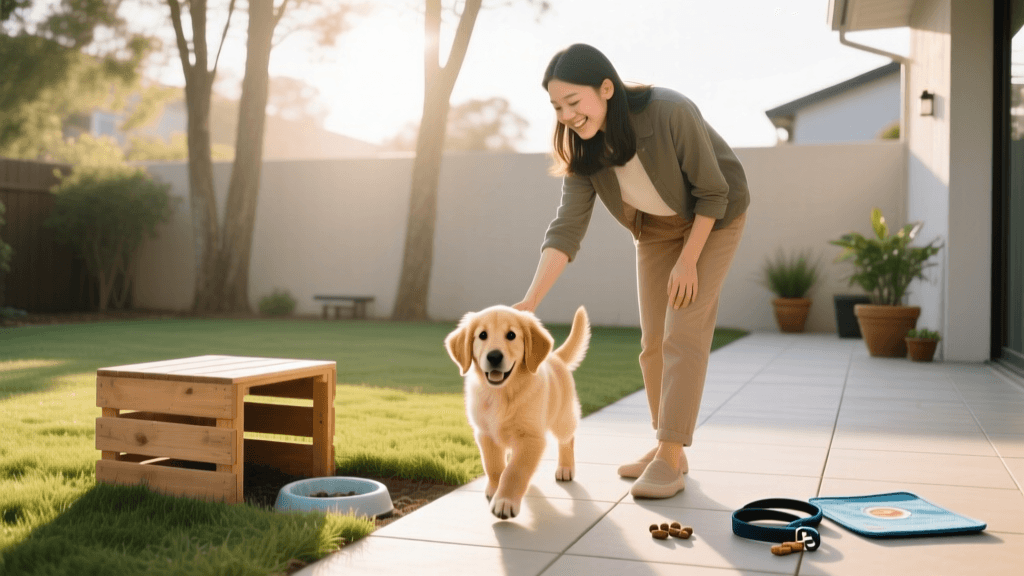
You do not need to wait until 16 weeks to start socializing your puppy; you just need to be smart about how you do it. Avoid high-risk areas like dog parks, pet store floors, or unknown grassy areas where unvaccinated dogs may have eliminated.
- Use a Pet Stroller: Invest in a stroller like the Pet Gear No-Zip NV Pet Stroller (approx. $150). This allows you to take your puppy to busy outdoor cafes, hardware stores, and parks where they can safely observe people, umbrellas, hats, and loud noises without their paws touching contaminated ground.
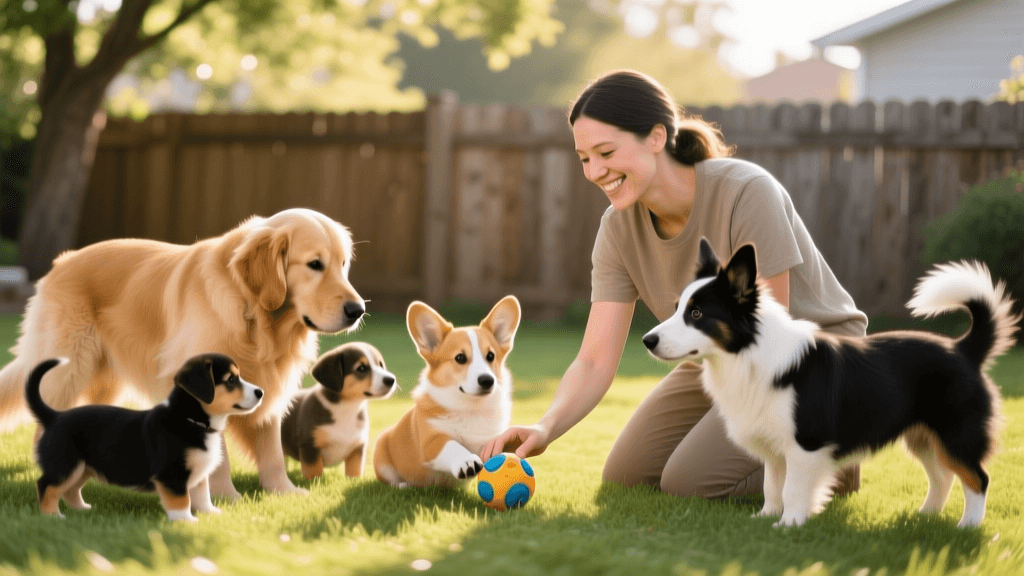
- Host Puppy Playdates: Invite friends with fully vaccinated, temperament-tested adult dogs to your home. Your home is a controlled, sanitized environment where your puppy can learn appropriate canine body language.
- Carry and Observe: Simply carrying your puppy in a Kurgo G-Train Dog Carrier Backpack (approx. $130) through a busy neighborhood helps them acclimate to traffic sounds, bicycles, and diverse groups of people.
The critical socialization period for puppies is between 3 and 14 weeks. Missing this window can result in irreversible fear responses to novel stimuli later in life.
Myth 2: Rubbing Their Nose in Accidents Speeds Up Potty Training
The Myth: If a puppy has an accident indoors, rubbing their nose in the urine or feces and scolding them will teach them not to do it again.
The Fact: Dogs do not possess the cognitive ability to connect a delayed punishment with an action they performed minutes or hours ago. According to the ASPCA, rubbing a puppy's nose in their mess only teaches them one thing: that you are unpredictable and frightening. It often leads to puppies hiding behind furniture to eliminate, making potty training significantly harder.
The Science of Enzymatic Cleaning and Positive Reinforcement
Puppies are guided by their olfactory senses. If they can smell a previous accident, they will view that spot as a designated bathroom. Standard household cleaners, bleach, or ammonia-based products will not eliminate the uric acid crystals that cause the lingering scent.
- Blot, Don't Rub: Use paper towels to absorb as much liquid as possible.
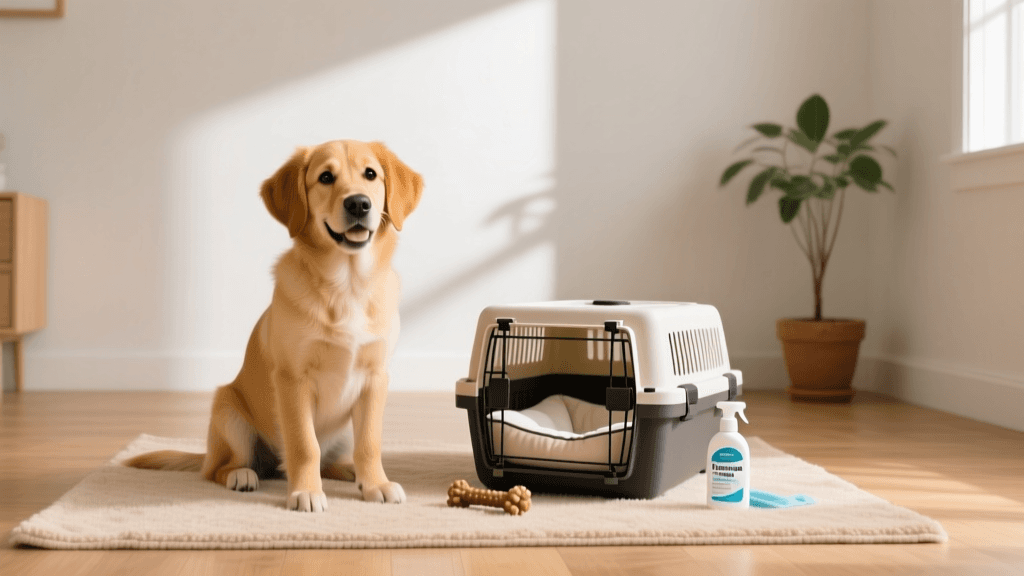
- Apply an Enzymatic Cleaner: Saturate the area with a product like Nature's Miracle Advanced Stain and Odor Eliminator (approx. $12). These cleaners contain bio-enzymatic bacteria that literally eat the organic matter causing the odor.
- Wait and Dry: Allow the cleaner to sit for 10-15 minutes before blotting dry. Keep the puppy away from the area until it is completely dry.
- Reward Heavily: When your puppy eliminates outside, use high-value treats like Zuke's Mini Naturals (approx. $8) and offer verbal praise immediately—within two seconds of them finishing.
Myth 3: Puppies Will Naturally Outgrow Biting and Jumping
The Myth: Mouthing, nipping, and jumping on guests are just normal puppy phases that they will eventually grow out of as they mature.
The Fact: Behaviors that are rehearsed become habits. If a puppy learns that jumping on you results in attention (even negative attention like pushing them away or yelling), the behavior is being reinforced. Similarly, if nipping at hands results in a fun game of chase, the puppy will continue to use their teeth to initiate play.
Implementing the 'Four on the Floor' and Redirection Rules
To stop jumping, enforce the 'Four on the Floor' rule. When you or a guest enter the home, completely ignore the puppy if they jump. Turn your back, cross your arms, and look at the ceiling. The absolute second all four paws touch the ground, calmly reach down and reward them with a treat or gentle petting. Consistency from every family member and guest is mandatory.
For teething and nipping, you must redirect the behavior to an appropriate outlet. Puppies explore the world with their mouths, and between 12 and 16 weeks, they begin losing their deciduous (baby) teeth, causing severe gum discomfort.
- The Freezer Trick: Stuff a KONG Classic Puppy Toy (approx. $15, made of softer rubber for developing teeth) with plain Greek yogurt and mashed bananas. Freeze it overnight. The cold numbs their sore gums while providing an appropriate chewing outlet.
- The Time-Out Method: If teeth touch human skin, let out a high-pitched 'Ouch!' to mimic a littermate's yelp, immediately stand up, and leave the room for 30 seconds. This teaches the puppy that human skin equals the end of playtime.
Myth 4: Crate Training is Cruel and Causes Anxiety
The Myth: Putting a puppy in a crate is akin to locking them in a jail cell, and it causes psychological distress and separation anxiety.
The Fact: Dogs are natural den animals. When introduced properly, a crate becomes a safe haven, a place of comfort, and an indispensable tool for preventing destructive behaviors and aiding in house training. The Humane Society of the United States strongly advocates for crate training as a foundational element of responsible dog ownership, noting that it keeps puppies safe from household hazards like electrical cords and toxic plants when unsupervised.
Sizing and Conditioning the Crate
The most common mistake owners make is buying a crate that is too large. A puppy will naturally avoid soiling their sleeping area. If the crate is large enough for them to sleep in one corner and eliminate in the other, the potty training benefits are lost.
- Proper Sizing: Measure your puppy from the tip of their nose to the base of their tail, and add 2 to 4 inches. That is the maximum length they need. Purchase a crate like the MidWest Homes for Pets iCrate (approx. $45-$60) that includes a movable divider panel. This allows you to expand the space gradually as your puppy grows, saving you from buying multiple crates.
- Positive Association: Never use the crate as punishment. Feed all meals inside the crate, toss high-value treats into the back, and provide safe chew toys like the Nylabone Puppy Chew (approx. $6) to build a positive emotional response.
Puppy Potty Training and Bladder Control Schedule
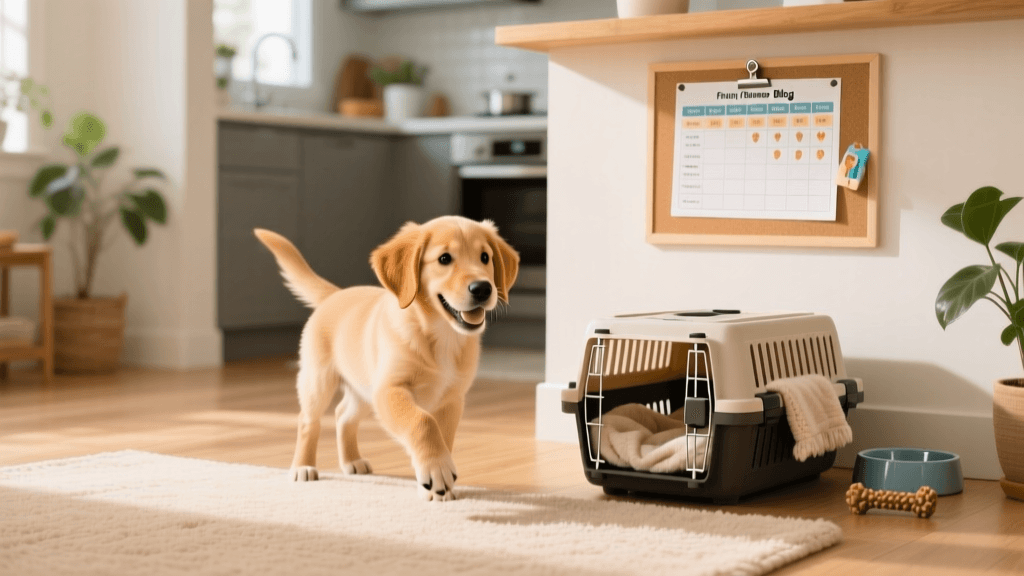
Understanding your puppy's physiological limitations is key to preventing accidents. A general rule of thumb is that a puppy can hold their bladder for one hour per month of age, plus one. However, during active play, this time decreases significantly. Use the table below to structure your daily potty breaks.
| Puppy Age | Estimated Bladder Capacity | Max Daytime Crate Time | Nighttime Potty Breaks Needed |
|---|---|---|---|
| 8 - 10 Weeks | 1 to 2 Hours | 2 Hours | 2 to 3 Breaks |
| 11 - 14 Weeks | 2 to 3 Hours | 3 Hours | 1 to 2 Breaks |
| 15 - 16 Weeks | 3 to 4 Hours | 4 Hours | 0 to 1 Break |
| 4 - 6 Months | 4 to 6 Hours | 5 Hours | 0 Breaks (Sleeping through) |
Conclusion: Patience and Consistency are Key
The first year of a puppy's life is a marathon, not a sprint. By discarding outdated myths and embracing science-backed, positive reinforcement methods, you set the stage for a well-adjusted, confident, and deeply bonded companion. Remember that every accident, every chewed shoe, and every fearful reaction is an opportunity to guide your puppy with patience. Equip yourself with the right tools, from enzymatic cleaners to properly sized crates, and lean on the guidance of certified veterinary behaviorists to ensure your puppy's developmental milestones are met with success.
aaron-whyte
All our authors care for dogs every day — read more of their work on the authors page.