Puppy Socialization Myths Debunked: Essential Facts
Discover the truth behind common puppy socialization myths. Learn expert-backed facts, safe exposure timelines, and actionable tips for new dog owners.
The Critical Window: Why Early Socialization Matters
The first year of a puppy's life is a whirlwind of growth, learning, and development. Among the most crucial aspects of early puppy care is socialization. However, the internet and well-meaning friends are often rife with outdated advice that can inadvertently harm a puppy's behavioral development. Misinformation regarding when, where, and how to socialize a young dog can lead to fear, anxiety, and even behavioral euthanasia later in life.
At Paws-Tales, we believe in science-backed puppy care. To help you navigate the confusing landscape of early dog ownership, we are debunking the most common puppy socialization myths and replacing them with actionable, expert-approved facts.
According to veterinary behaviorists, the primary socialization window for puppies occurs between 3 and 14 weeks of age. What happens during this brief period shapes their worldview for the rest of their lives.
Myth 1: You Must Wait Until All Vaccinations Are Complete
The Dangerous Reality of Waiting
Perhaps the most pervasive and damaging myth in puppy care is that you must keep your puppy isolated at home until they have received their final round of puppy vaccinations, usually around 16 weeks of age. While protecting your puppy from deadly diseases like Canine Parvovirus is essential, isolating them during their prime developmental window is a massive disservice to their mental health.
The American Veterinary Society of Animal Behavior (AVSAB) released a landmark position statement emphasizing that the risk of a dog developing severe behavioral issues (which is the leading cause of euthanasia in dogs under three years old) far outweighs the risk of disease transmission if proper precautions are taken. Waiting until 16 weeks means missing the critical 3-to-14-week socialization window entirely.
Actionable Advice for Safe Early Exposure
You do not need to choose between your puppy's physical health and their behavioral health. You can safely socialize them before their vaccines are complete by following these protocols:
- Carry or Use a Stroller: Take your puppy to outdoor cafes, hardware stores, and parks by carrying them in a sling or using a pet stroller like the Pet Gear Happy Trails Pet No-Zip Stroller (approx. $120-$150). This allows them to see and hear the world without their paws touching potentially contaminated public soil.
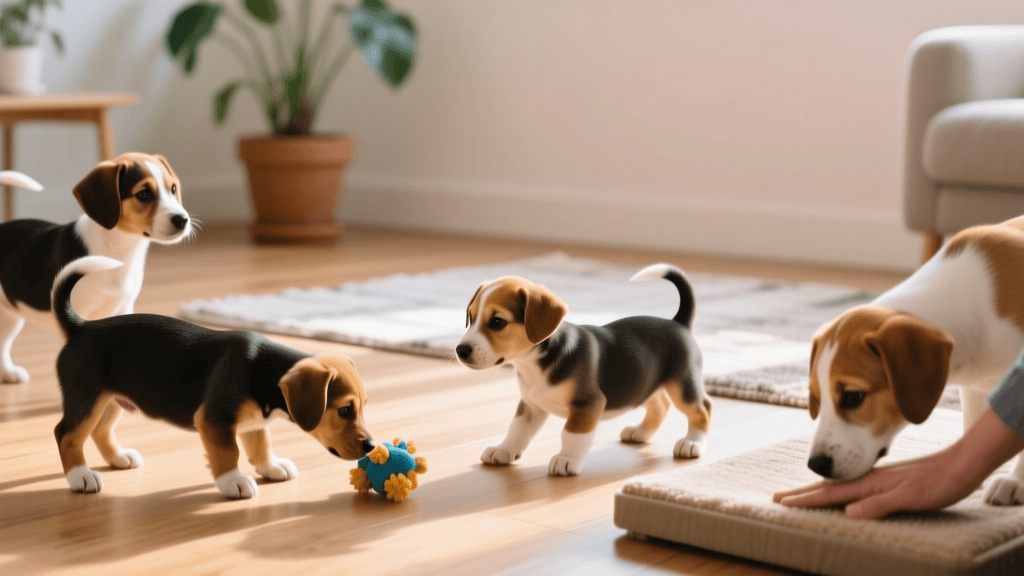
- Host Puppy Playdates: Invite friends with fully vaccinated, temperament-tested adult dogs or other puppies of the same vaccination status to your home or a private, fenced yard.
- Enroll in Puppy Kindergarten: The American Kennel Club (AKC) highly recommends enrolling in puppy classes. Reputable training facilities require proof of at least the first set of DHPP vaccines and mandate that the environment is sanitized before classes begin. Expect to pay $100 to $200 for a 6-week course.
Myth 2: Dog Parks Are the Best Place to Socialize
The Unpredictability of Off-Leash Parks
Many new owners assume that taking their 10-week-old puppy to the local dog park is the ultimate socialization experience. In reality, dog parks are highly unpredictable environments. An overly boisterous adult dog, a dog with poor play skills, or an aggressive dog can easily traumatize a young puppy, creating a lifelong fear of other canines. Furthermore, public dog parks are hotspots for parasites and infectious diseases.
The Fact: Structured, Controlled Interactions Win
Socialization is not about letting your puppy be mobbed by strangers or strange dogs; it is about teaching them to feel calm and confident in the presence of novel stimuli. Quality always trumps quantity.
Action Plan: Instead of the dog park, arrange one-on-one playdates with dogs you know. Keep initial play sessions short—around 10 to 15 minutes—and monitor body language closely. If your puppy shows signs of stress (tucked tail, pinned ears, hiding behind your legs), intervene immediately. Use a high-value treat like Zuke's Mini Naturals Training Treats ($6-$8 per bag) to reward calm behavior and create positive associations.
Myth 3: Socialization Only Means Meeting Other Dogs
Expanding the Definition of Socialization
When people hear the word 'socialization,' they immediately picture puppies playing together. While canine-to-canine interaction is a piece of the puzzle, environmental socialization is equally, if not more, important. A well-adjusted dog needs to know how to navigate the human world, which includes strange noises, varied surfaces, moving objects, and different types of people.
Environmental Socialization Checklist
The ASPCA notes that exposing puppies to various environmental stimuli prevents them from developing phobias later in life. Below is a structured guide to environmental socialization for an 8-to-12-week-old puppy.
| Category | Specific Stimuli | Actionable Method | Target Frequency |
|---|---|---|---|
| Surfaces | Gravel, wet grass, metal grates, slippery tile | Lay down a trail of treats to encourage voluntary exploration. Never force or drag the puppy. | 3-4 times a week |
| Sounds | Vacuum cleaners, thunder, traffic, sirens | Play recordings of these sounds at a very low volume while feeding the puppy. Gradually increase volume over weeks. | Daily (low volume) |
| Objects | Umbrellas, hats, sunglasses, walking sticks | Place novel objects on the floor and let the puppy investigate at their own pace. Toss treats near the object. | 2-3 times a week |
| People | Children, tall men, people in wheelchairs, delivery workers | Ask strangers to ignore the puppy initially, then offer a treat if the puppy approaches calmly. | Daily encounters |
Myth 4: If You Miss the Window, It Is Too Late
Neuroplasticity and Older Puppies
What happens if you adopt a 6-month-old puppy who was kept in a backyard or a shelter with minimal exposure? A common myth is that the socialization window closing means the dog is doomed to be fearful forever. While it is true that the brain's rapid absorption phase slows down after 14 weeks, dogs possess lifelong neuroplasticity.
Actionable Advice for Older Puppies
Socializing an older puppy transitions from simple 'exposure' to active 'counter-conditioning.' This means you must actively change the dog's emotional response to a trigger from negative or fearful to positive.
- Identify Thresholds: Find the distance at which your puppy notices a trigger (like a strange dog) but does not react with fear or barking. This is their 'threshold.'
- Engage and Reward: At this threshold, feed high-value rewards (boiled chicken or freeze-dried liver). If they react, you are too close.
- Seek Professional Help: If your older puppy exhibits severe fear, reactivity, or aggression, do not attempt to 'flood' them by forcing them into scary situations. Hire a Certified Professional Dog Trainer (CPDT) or a Veterinary Behaviorist. Private consultations typically range from $150 to $300 per hour, but this investment can save your dog's life and your relationship.
Essential Products for Socialization Success
To set your puppy up for success during their first year, consider incorporating these tools into your daily routine:
- Adaptil Junior Calming Pheromone Spray ($15-$20): A synthetic copy of the comforting pheromone released by mother dogs. Spray it on your puppy's bedding or a bandana before heading to a busy environment or a training class to reduce baseline anxiety.
- Kong Classic Puppy Teething Toy ($10-$15): Socialization often involves periods of confinement or crate training. Stuffing a puppy Kong with plain yogurt and xylitol-free peanut butter, then freezing it, provides an excellent calming enrichment activity that helps puppies associate novel environments with positive, soothing experiences.
- Snuggle Puppy Heartbeat Stuffed Toy ($35-$40): Ideal for the first few nights home, the simulated heartbeat helps soothe separation anxiety, ensuring your puppy is well-rested and more receptive to daytime socialization exercises.
Conclusion
Navigating the first year of a puppy's life requires patience, dedication, and a willingness to look past outdated advice. By debunking these common myths and embracing safe, structured, and comprehensive socialization practices, you are laying the groundwork for a confident, happy, and well-adjusted adult dog. Remember, socialization is not a one-time event, but an ongoing journey of positive experiences that will enrich both your lives for years to come.
hannah-wickes
All our authors care for dogs every day — read more of their work on the authors page.