Puppy Teething Stages: A Month-by-Month Survival Guide
Navigate your puppy's teething stages with our month-by-month guide. Learn timelines, safe chew toys, and bite inhibition training.

The Reality of Puppy Teething
Bringing a new puppy into your home is an exhilarating experience, but it quickly becomes apparent that those adorable little furballs come equipped with a mouth full of razor-sharp needles. Puppy teething is a natural, albeit frustrating, developmental milestone that every dog owner must navigate. As part of our comprehensive Life Stage Care Guides, this article will walk you through the exact timeline of your puppy's dental development, offer actionable advice on managing the chewing, and teach you how to protect your belongings—and your hands—during this critical first year.
According to the American Kennel Club (AKC), puppies develop their deciduous (baby) teeth much faster than human babies, and the transition to adult teeth is a rapid, intense process that requires proactive management.
Month-by-Month Puppy Teething Timeline
Understanding the biological timeline of your puppy's dental development is the first step in preparing your home and training strategy. Below is a structured chart detailing what to expect during the first six months of your puppy's life.
| Age Range | Dental Milestone | Common Symptoms |
|---|---|---|
| 2 - 4 Weeks | Deciduous incisors and canines erupt. | Nursing difficulties, mild whimpering. |
| 5 - 8 Weeks | All 28 baby teeth are fully erupted. | Increased biting during play, weaning begins. |
| 12 - 16 Weeks | Baby teeth begin falling out; adult incisors emerge. | Drooling, spotting blood on toys, excessive chewing. |
| 4 - 6 Months | All 42 adult teeth (including molars) erupt. | Intense chewing, gum swelling, changes in breath odor. |
Detailed Life Stage Breakdown
2 to 4 Weeks: The First Eruptions
During the neonatal and early transitional stages, puppies are primarily nursing. Around the three-week mark, their first baby teeth—the incisors and canines—begin to push through the gums. While you likely will not be bringing your puppy home this early, breeders often notice that the mother dog may start to avoid nursing sessions due to the sharpness of these emerging teeth. This is a natural trigger for the weaning process.
5 to 8 Weeks: The Full Set of Baby Teeth
By the time you bring your eight-week-old puppy home, they will have a full set of 28 deciduous teeth. These teeth are incredibly sharp and lack the flat grinding surfaces of adult molars. At this life stage, puppies explore the world entirely with their mouths. You will notice them mouthing your hands, ankles, and furniture. This is not malicious; it is a vital sensory and developmental behavior.
12 to 16 Weeks: The Great Transition
This is the stage where the real teething begins. The roots of the baby teeth begin to resorb, and the adult teeth push them out. You might find tiny, rice-sized teeth on the floor or in your puppy's bedding, though many puppies swallow them while eating or playing, which is completely harmless. VCA Animal Hospitals notes that mild bleeding and increased salivation are normal during this transition, but excessive swelling or refusal to eat warrants a veterinary checkup.
4 to 6 Months: The Peak Chewing Phase
By four to six months, the adult premolars and molars are cutting through the gums. This is often the most destructive phase of puppyhood. The jaw muscles are strengthening, and the puppy has an intense, biological urge to chew to relieve the pressure of erupting molars. If you do not provide appropriate outlets during this stage, your baseboards, shoes, and furniture will become the default chew toys.
Top Vet-Approved Chew Toys for Teething Puppies
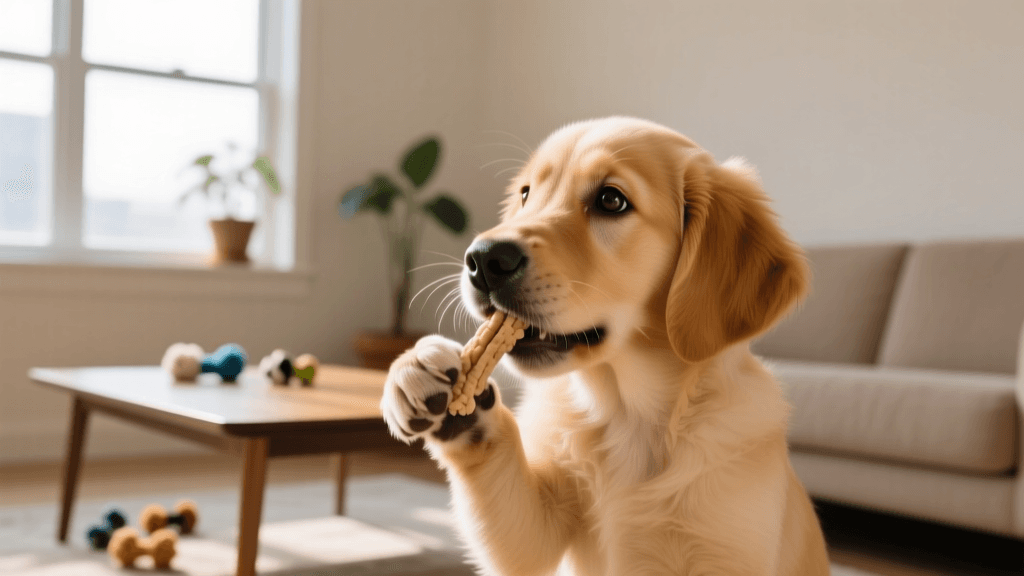
Investing in the right chew toys is non-negotiable. You must provide items that are softer than adult dog toys to prevent fracturing delicate puppy teeth, yet durable enough to withstand aggressive chewing. Here are specific, actionable product recommendations:
- KONG Puppy Toy (Sizes XS to M): Made from a proprietary, softer pink or blue rubber formula designed specifically for developing teeth and gums. Cost: $8 - $14. Pro-Tip: Stuff it with a mixture of plain Greek yogurt and mashed bananas, then freeze it for two hours. The cold numbs sore gums while the texture massages them.
- Nylabone Puppy Chew Keys: These feature multiple textures that help clean teeth and satisfy the urge to gnaw. They are flavored with bacon or chicken to encourage appropriate chewing. Cost: $6 - $10. Always select the size based on your puppy's projected adult weight.
- Benebone Puppy Zaggler: Ergonomically designed for puppies to grip with their paws. Made from slightly softer nylon than their adult versions and infused with real bacon. Cost: $12 - $16.
DIY Soothing Remedies for Sore Gums
If you are on a budget or run out of commercial toys, your kitchen offers excellent, safe alternatives for soothing inflamed puppy gums:
- Frozen Carrots: Peel a large, whole carrot, soak it in low-sodium chicken broth, and freeze it overnight. It acts as an edible, crunchy ice pack that is rich in beta-carotene and fiber.
- Ice Cube Treats: Freeze low-sodium bone broth in an ice cube tray. The cold temperature constricts blood vessels in the gums, reducing inflammation and pain.
- Damp Washcloth: Wet a clean, twisted washcloth, tie it in a knot, and freeze it. The fabric threads act like dental floss, helping to dislodge loose baby teeth. Always supervise your puppy with a washcloth to prevent them from swallowing torn pieces of fabric.
Teaching Bite Inhibition: A Crucial Life Stage Skill
Teething and bite inhibition go hand-in-hand. Bite inhibition is a dog's ability to control the force of their mouthing. According to the ASPCA, puppies learn this primarily from their littermates, but once separated, it becomes the owner's responsibility to continue this education.
Step-by-Step Bite Inhibition Training:
- The 'Ouch' Method: When your puppy's teeth make contact with your skin, immediately let out a high-pitched yelp or say 'Ouch!' in a sharp tone. This mimics the sound a littermate would make.
- Withdraw Attention: Stand up, cross your arms, and ignore the puppy for 10 to 15 seconds. If they continue to bite, leave the room entirely for 30 seconds. This teaches them that teeth on skin equals the end of playtime.
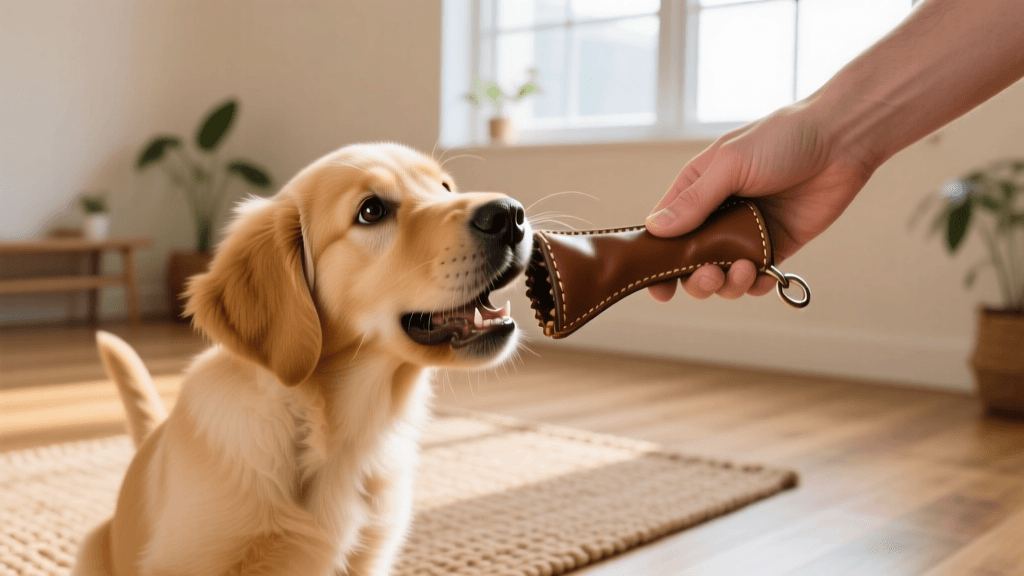
- Redirect to a Toy: When you return, immediately offer an approved chew toy. When they bite the toy instead of your hand, offer lavish verbal praise and a small training treat.
- Consistency is Key: Every family member and visitor must enforce the exact same rules. Mixed signals will confuse the puppy and prolong the biting phase.
When to Visit the Vet: Retained Deciduous Teeth
While most puppies lose their baby teeth seamlessly, some breeds—particularly small and toy breeds like Chihuahuas, Yorkies, and Pugs—are prone to retained deciduous teeth. This occurs when the adult tooth erupts alongside the baby tooth because the baby tooth's root did not properly resorb.
If you notice a 'double row' of teeth, commonly referred to as shark teeth, monitor the situation for one to two weeks. If the baby tooth does not fall out on its own, schedule a veterinary appointment. Retained baby teeth can cause severe crowding, trap food and bacteria, and lead to early periodontal disease or misaligned adult bites. Your veterinarian can safely extract the retained tooth, usually during a routine spay or neuter procedure to minimize anesthesia risks.
Conclusion
The puppy teething stage is a fleeting but intense period in your dog's first year. By understanding the biological timeline, providing appropriate and soothing chew outlets, and consistently enforcing bite inhibition training, you will guide your puppy through this developmental milestone successfully. Remember, patience and proactive management are your best tools. Before you know it, those razor-sharp puppy teeth will be replaced by a healthy, strong set of adult teeth, ready for a lifetime of fetching, chewing, and smiling.
jonas-cole
All our authors care for dogs every day — read more of their work on the authors page.