Puppy-Proofing Your Home: A Beginner's Room-by-Room Guide
Discover how to puppy-proof your home with our room-by-room beginner's handbook. Learn essential safety tips, costs, and must-have products for new owners.

Welcome to the Complete Beginner's Handbook: Puppy-Proofing 101
Bringing a new puppy into your home is an exhilarating experience, but it also requires a significant shift in how you view your living space. To a curious eight-week-old Labrador or a teething Golden Retriever, your home is an enormous playground filled with intriguing textures, tempting smells, and hidden dangers. Puppy-proofing is not just about hiding your favorite shoes; it is a critical safety measure that can prevent costly emergency veterinary visits and heartbreak. This comprehensive, room-by-room handbook will walk you through the exact steps, measurements, and products needed to create a safe sanctuary for your new canine companion.
The Living Room: Securing the Hub of the Home
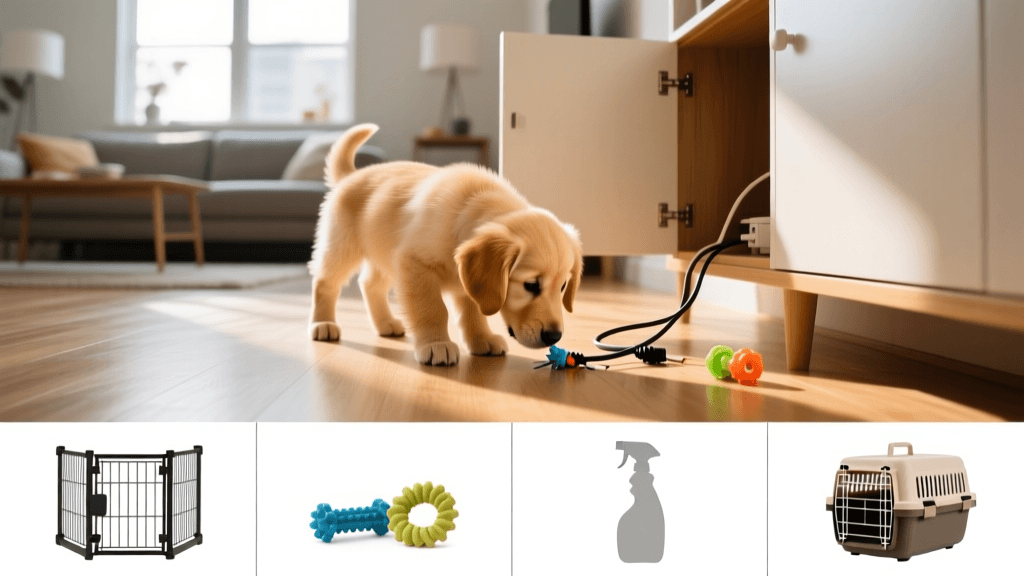
The living room is typically where your puppy will spend most of their supervised time, making it the primary zone for puppy-proofing. Puppies explore the world with their mouths, and electrical cords pose a severe electrocution and burn risk. According to the American Kennel Club, securing loose wiring is one of the most vital first steps a new owner must take.
Managing Electrical Cords and Electronics
Do not rely on simply taping cords to the wall. Instead, invest in split loom wire concealers. A 50-foot roll of 1/2-inch diameter corrugated tubing costs approximately $15 at any hardware store. This tough plastic casing prevents puppy teeth from reaching the copper wiring inside. For power strips, purchase a hard-shell surge protector cover (such as the Taymac Weatherproof In-Use Cover, ~$22) to completely enclose the plugs and switches.
Furniture, Baseboards, and Houseplants
Teething puppies love the taste of salty, sweat-stained furniture legs and wooden baseboards. Apply a bitter-tasting deterrent like Grannick's Bitter Apple Spray (~$12 for an 8 oz bottle) to wooden surfaces. Reapply every 24 hours for the first two weeks to build a negative association. Additionally, audit your houseplants. The ASPCA's Animal Poison Control Center maintains a comprehensive database of toxic flora. Common living room plants like Sago Palms, Pothos, and Peace Lilies are highly toxic to dogs and must be relocated to high, inaccessible shelves or removed entirely.
The Kitchen: Managing Hazards and Toxins
The kitchen is arguably the most dangerous room in the house for a new dog. Between dropped food, accessible trash, and chemical cleaners, the kitchen requires strict boundary management.
Trash and Recycling Bins
Puppies are natural scavengers. A standard open-top trash can is an invitation for a gastrointestinal blockage. Upgrade to a lock-top or step-can trash bin with a heavy, weighted base. The simplehuman 13-Gallon Lock-Top Trash Can (~$85) features a secure latch that puppy paws cannot easily manipulate. Alternatively, mount your trash can inside a lower cabinet and install a magnetic child-proof lock on the cabinet door.
Pantry Safety and Toxic Foods
Never leave grocery bags unattended on the floor or a low counter. Certain human foods are lethal to dogs. As noted by the Pet Poison Helpline, xylitol—an artificial sweetener found in sugar-free gum, mints, and some peanut butters—can cause rapid hypoglycemia and liver failure in dogs, even in minuscule amounts. Grapes, raisins, onions, garlic, and macadamia nuts must be stored in high, closed pantries. Install CabinetSafe Magnetic Child Locks (~$25 for a 12-pack) on all lower cabinets containing cleaning supplies, plastic bags, or dangerous foods.
The Bathroom and Laundry Room: Chemical and Choking Risks
Bathrooms and laundry rooms are often overlooked, but they harbor severe choking and poisoning hazards. Toilet bowls can be a source of hydration for a puppy, but if you use automatic toilet bowl cleaners, the water is highly toxic. Always keep toilet lids closed, and consider installing a simple lid latch (~$8) if you have a particularly tall or determined breed.
In the laundry room, keep all detergent pods, fabric softeners, and bleach on shelves that are at least 5 feet off the ground. Puppies can easily chew through soft plastic laundry baskets, ingesting the fabric or the plastic itself. Always check inside the washing machine and dryer before closing the doors; puppies love to crawl into dark, enclosed spaces to nap.
The Backyard and Outdoor Spaces
Before letting your puppy off-leash in the yard, conduct a perimeter check. Walk the fence line and look for gaps wider than 2 inches. For smaller breeds, you may need to bury chicken wire in an 'L-footer' configuration (bending the wire outward at the base of the fence) to prevent digging escapes.
Review your landscaping materials. Cocoa bean mulch, which smells like chocolate, is highly toxic if ingested. Replace it with cedar or pine mulch, or opt for pet-safe rubber mulch. Ensure that your garden does not contain snail bait, rodenticides, or chemical fertilizers that have not yet been watered in and dried.
Puppy-Proofing Cost and Supply Checklist
Budgeting for a new puppy goes beyond the adoption fee and initial vet visits. Below is a structured checklist and cost estimate for essential puppy-proofing supplies to help you prepare financially.
| Item | Purpose | Estimated Cost | Recommended Spec / Brand |
|---|---|---|---|
| Split Loom Tubing | Cord protection | $15.00 | 1/2-inch corrugated, 50ft roll |
| Hardware-Mounted Gate | Blocking stairs/kitchens | $45.00 | Regalo Easy Step Walk Thru |
| Magnetic Cabinet Locks | Securing toxins/cleaners | $25.00 | CabinetSafe 12-Pack with Keys |
| Bitter Deterrent Spray | Stopping furniture chewing | $12.00 | Grannick's Bitter Apple (8 oz) |
| Lock-Top Trash Can | Preventing scavenging | $85.00 | simplehuman 13-Gallon Lock-Top |
| Heavy-Duty Chew Toys | Redirecting bite instinct | $20.00 | KONG Classic (Red) & Nylabone |
Expert Guidelines and Final Thoughts
'Puppy-proofing is not a one-time event; it is an ongoing process. As your puppy grows, their reach, strength, and problem-solving abilities will expand. What was safe at eight weeks may become a hazard at six months.'
— Canine Behavior & Safety Guidelines
Preparing your home before your puppy arrives sets the foundation for a successful transition. By investing a weekend and roughly $200 into the structural safety of your home, you are buying peace of mind and protecting your new family member from preventable tragedies. Remember to get down on your hands and knees to view your home from a puppy's eye level. You will be surprised by the forgotten pill under the sofa, the loose staple in the baseboard, or the tempting fringe on the area rug. Stay vigilant, provide plenty of appropriate chew toys to redirect their natural instincts, and enjoy the incredible journey of raising a well-adjusted, safe, and happy dog.
priya-sutaria
All our authors care for dogs every day — read more of their work on the authors page.