Top 7 Puppy Proofing Mistakes New Dog Owners Make
Avoid these 7 common puppy proofing and preparation mistakes. Learn essential safety tips, true first-year costs, and the best gear for your new dog.
Bringing a new dog home is an incredibly thrilling experience, but the transition is often fraught with hidden hazards and unexpected financial surprises. Many new owners focus heavily on picking out cute toys, stylish collars, and premium kibble, while overlooking critical safety and logistical preparations. According to veterinary experts, thousands of puppies end up in emergency clinics each year due to entirely preventable household accidents. To ensure your new companion thrives, you must approach home preparation strategically and realistically.
Below, we detail the top seven puppy proofing and preparation mistakes new dog owners make, along with actionable, specific advice to keep your dog safe, your home intact, and your wallet secure during those crucial first months.
Mistake 1: Underestimating the True First-Year Costs
Many adopters carefully budget for the initial adoption fee or breeder cost but fail to account for the compounding expenses of the first twelve months. This financial oversight leads to severe stress and, in worst-case scenarios, surrendered pets. You must budget for routine veterinary care, high-quality nutrition, preventative medications, gear, and an emergency fund.
According to the ASPCA's pet care cost guidelines, the first year of dog ownership can easily exceed $1,500 to $3,000, depending on the size of the dog and your geographic location. Below is a realistic breakdown of what you should expect to spend.
| Expense Category | Low-End Estimate | High-End Estimate | Notes |
|---|---|---|---|
| Adoption/Breeder Fee | $50 | $3,000+ | Varies by rescue vs. purebred |
| Veterinary Care (Year 1) | $200 | $600 | Vaccines, spay/neuter, checkups |
| Food and Treats | $250 | $700 | Depends on dog size and diet |
| Supplies (Crate, Bed, Leash) | $150 | $400 | Initial setup and replacement costs |
| Preventative Meds | $150 | $300 | Flea, tick, heartworm year-round |
| Training and Socialization | $100 | $500 | Puppy classes, behavioral help |
Actionable Advice: Set aside a dedicated "pet emergency fund" of at least $1,000 before bringing your dog home. Alternatively, invest in a comprehensive pet insurance policy from providers like Trupanion or Healthy Paws to mitigate unexpected medical bills that can easily exceed $5,000 for emergency surgeries.
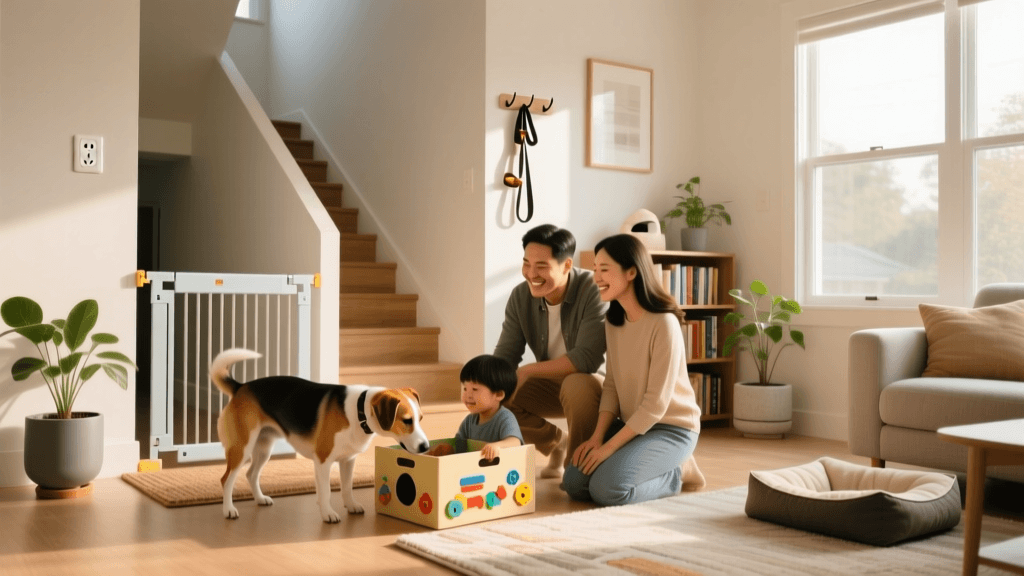
Mistake 2: Relying on Pressure-Mounted Baby Gates
A common and dangerous error is using pressure-mounted baby gates to block off stairs or restrict access to hazardous rooms like the kitchen or laundry area. While convenient and drill-free, pressure gates rely entirely on friction. They can easily be dislodged by a medium-to-large puppy leaning, scratching, or jumping against them, leading to severe fall injuries or access to toxic cleaning supplies.
Actionable Advice: Always install hardware-mounted gates at the top of staircases and in high-risk rooms. Look for gates with a minimum height of 30 inches and a walk-through door featuring a dual-locking mechanism. The Carlson Pet Products Design Studio Walk-Thru Gate is a reliable, hardware-mounted option that withstands significant force. For doorways on flat ground where you only need to contain a small, non-jumping breed, a pressure gate is acceptable, but never use them for vertical drop-offs.
Mistake 3: Ignoring Toxic Plants and Hidden Foods
Puppies explore the world with their mouths. Leaving toxic houseplants at ground level or keeping certain human foods on low counters is a recipe for a veterinary emergency. Sago Palms, Lilies, and Oleander are highly toxic and can cause fatal liver or kidney failure even in small ingested amounts. Furthermore, foods containing xylitol (found in sugar-free gum and some peanut butters), grapes, onions, and macadamia nuts are incredibly dangerous.
Actionable Advice: Audit your home against the ASPCA’s comprehensive toxic plant database. Elevate all houseplants to high shelves or hanging planters at least 5 feet off the ground, or rehome them entirely. When buying peanut butter for treat-stuffing toys like the classic Kong, meticulously check the ingredient label to ensure it contains zero xylitol, which can cause rapid hypoglycemia and liver failure in dogs.
Mistake 4: Buying the Wrong Sized Crate
Crate training is essential for housebreaking and providing a safe den, but buying a crate that is too large is a frequent mistake. If a crate is oversized, a puppy will designate one corner for sleeping and the opposite corner for eliminating, entirely defeating the purpose of crate training and prolonging the housebreaking process.
Actionable Advice: Measure your dog from the tip of their nose to the base of their tail, and add 2 to 4 inches. Measure their height from the floor to the top of their head (or ears, if erect), adding 2 inches. For growing puppies, purchase a wire crate that accommodates their estimated adult size but use the included adjustable divider panel to restrict space as they grow. The MidWest Homes for Pets Ultima Pro is an excellent choice, as its heavy-duty wire and strict divider panel prevent clever puppies from manipulating the space or escaping.
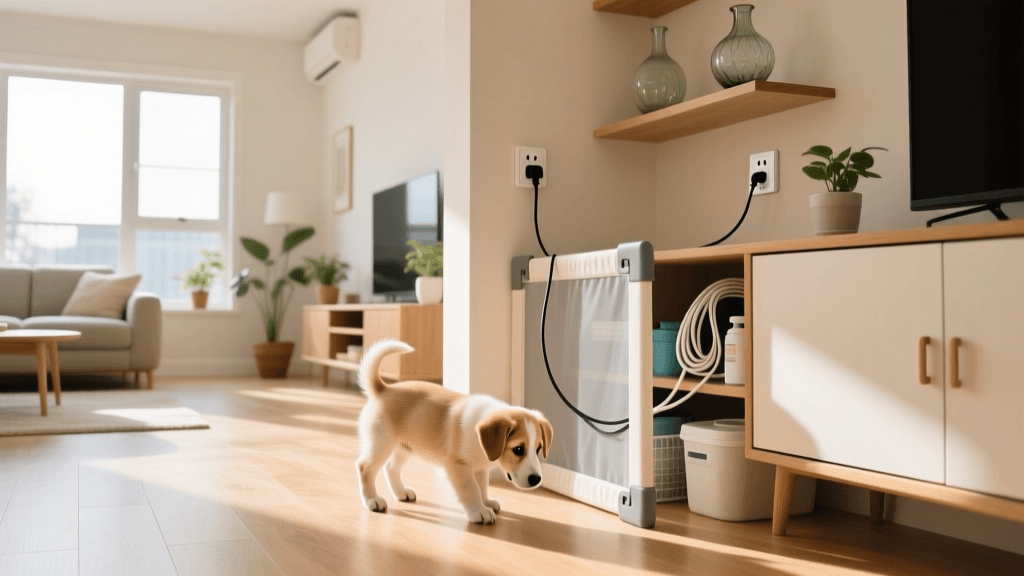
Mistake 5: Neglecting Cord Management and Outlet Covers
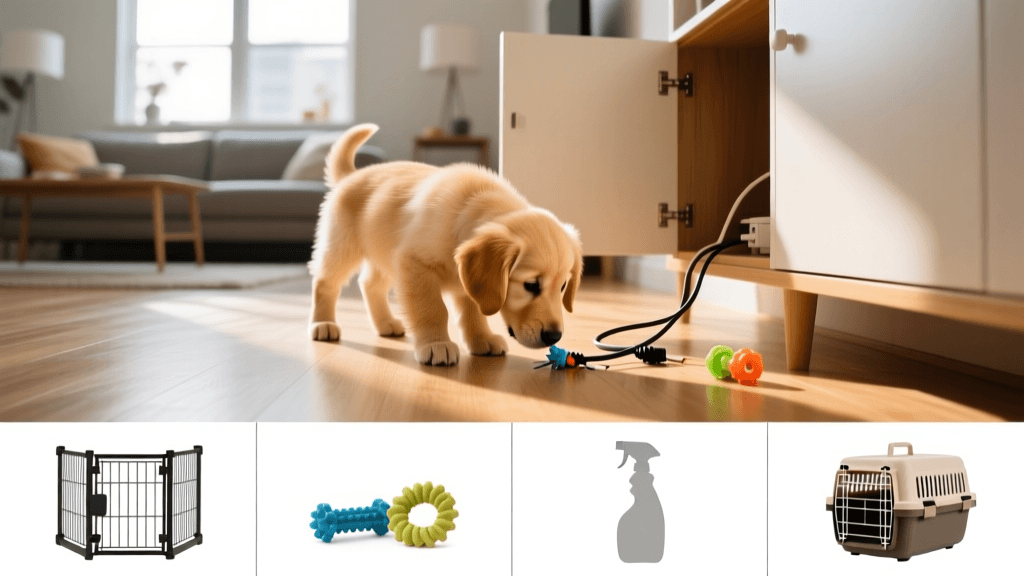
Teething puppies seek out textured items to chew to soothe their gums, and rubber-coated electrical cords are highly appealing. Chewing a live wire can result in severe oral burns, electrocution, pulmonary edema, or even a house fire. Many owners simply tuck cords behind furniture, which is entirely insufficient for a determined terrier or retriever.
Actionable Advice: Encase all accessible electrical cords in split-loom tubing or rigid PVC cord covers. You can purchase heavy-duty cord concealers online for under $20. Additionally, replace standard outlet plates with sliding safety covers that automatically close when a plug is removed. Unplug small appliances like toasters, blenders, and phone chargers when not in active use, and store them in closed cabinets out of reach.
Mistake 6: Delaying Microchip Registration and ID Tags
Getting a dog microchipped at the vet or breeder is only half the battle. The most critical mistake owners make is failing to register the microchip with their current contact information in a national database. A microchip is entirely useless if it links to a defunct breeder phone number or an unregistered account.
Actionable Advice: As soon as you bring your dog home, locate the microchip number on your veterinary paperwork and register it immediately. Follow the AVMA guidelines on microchipping to ensure you use a recognized universal database like HomeAgain or the chip manufacturer's specific portal. Pair the microchip with a visible, engraved stainless steel ID tag attached to a sturdy nylon collar. Include your dog's name and your current cell phone number on the tag for immediate neighborhood recovery if they slip out the door.
Mistake 7: Failing to Establish a Decompression "Safe Zone"
New owners often give their dog the run of the entire house on day one. This sensory overload can lead to anxiety, destructive chewing, and poor housebreaking habits. Dogs need a predictable, confined space to decompress, especially during the critical "3-3-3 rule" of adoption (3 days to decompress, 3 weeks to learn routine, 3 months to feel at home).
Actionable Advice: Set up an exercise pen (ex-pen) in a quiet, low-traffic area of your home, such as a corner of the living room or a spare bedroom. Outfit this zone with a washable orthopedic bed, a spill-proof water bowl, and a calming aid like the SmartPetLove Snuggle Puppy, which uses a heartbeat simulator and heat pack to ease separation anxiety. Restrict your puppy to this zone and a single adjoining room for the first week, gradually expanding their territory only as they demonstrate reliable house manners and chewing habits.
Conclusion
Avoiding these common puppy proofing and preparation mistakes will save you thousands of dollars in emergency vet bills and property damage. By accurately budgeting for the first year, securing your home with hardware-mounted gates and cord covers, and establishing a structured safe zone, you set the foundation for a harmonious life with your new companion. Remember that preparation is the ultimate act of love for your new dog. Take the time to dog-proof your environment thoroughly before their paws ever cross your threshold, ensuring a safe, happy, and stress-free transition into their forever home.
aaron-whyte
All our authors care for dogs every day — read more of their work on the authors page.