Puppy Proofing: Training Boundaries And Creating Safe Zones
Learn how to combine physical puppy proofing with boundary training. Create safe zones, teach the place command, and dog-proof your home effectively.

The Dual Approach: Physical Barriers and Mental Boundaries
Bringing a new dog or puppy into your home is an exciting milestone, but it also introduces a unique set of challenges. A common mistake new owners make is relying entirely on behavioral training to keep their dog out of trouble, or conversely, relying solely on physical barriers without teaching the dog how to behave when those barriers are removed. True success in the home environment requires a dual approach: physical dog-proofing to manage the environment, combined with proactive boundary training to build your dog's cognitive skills.
Management prevents the rehearsal of unwanted behaviors, while training builds the cognitive skills to avoid them.
By merging environmental design with positive reinforcement training, you set your dog up for success. This guide will walk you through the practical steps of dog-proofing your home, teaching essential boundary commands, and establishing a designated relaxation zone that keeps your dog safe and your belongings intact.
Physical Dog-Proofing: Room-by-Room Guide
Before you can train your dog to respect boundaries, you must ensure the environment does not present irresistible temptations or hidden dangers. Dogs, especially puppies, explore the world with their mouths, making household items potential choking hazards or toxic threats. According to the ASPCA Animal Poison Control Center, household cleaners, human medications, and certain foods are leading causes of toxic exposure in dogs. Furthermore, the American Veterinary Medical Association (AVMA) emphasizes that preventative environmental management is the first line of defense against accidental ingestions and emergency veterinary visits.
Below is a practical checklist and cost estimate for dog-proofing the most critical areas of your home.
| Room | Primary Hazards | Dog-Proofing Solution | Estimated Cost |
|---|---|---|---|
| Kitchen | Trash, toxic foods (xylitol, grapes), cleaning chemicals | Childproof latches, heavy stainless steel trash cans | $20 - $45 |
| Living Room | Electrical cords, small choking hazards, toxic houseplants | Cord concealers, elevated plant stands, storage bins | $15 - $30 |
| Bathroom | Toilet water, medications, toxic cleaners | Toilet lid locks, high cabinet storage, childproof locks | $10 - $25 |
| Home Office | Shredded papers, chewed cables, small office supplies | Cable management boxes, closed-door policy, paper shredders | $25 - $50 |
Investing a small amount of money in physical barriers like cord concealers and cabinet locks saves you hundreds of dollars in potential veterinary bills and ruined property.
Behavioral Training: Teaching 'Leave It' and 'Out'
Physical gates and locks can only do so much. Eventually, a cabinet will be left open, or a piece of food will drop on the kitchen floor. This is where behavioral conditioning becomes critical. Teaching your dog impulse control commands ensures they can navigate the home safely even when physical management fails.
How to Train the 'Leave It' Command
The 'Leave It' command is essential for preventing your dog from picking up dropped medications, toxic foods, or dangerous objects. As outlined by the experts at the American Kennel Club (AKC) Training Hub, positive reinforcement is the gold standard for teaching impulse control.
- The Setup: Place a low-value treat on the floor and cover it with your hand or a plastic cup. Hold a high-value treat (like boiled chicken or cheese) in your other hand behind your back.
- The Sniff and Retreat: Allow your dog to sniff and paw at the covered treat. Do not say anything. Wait for the exact moment they stop trying and pull their nose back even a fraction of an inch.
- Mark and Reward: Use a clicker or a verbal marker like 'Yes!' within 1.5 seconds of them pulling away, and immediately reward them with the high-value treat from your other hand. Never reward them with the treat on the floor.
- Add the Cue: Once your dog consistently pulls away from the covered treat, add the verbal cue 'Leave It' right before you present the covered item.
- Proofing: Gradually increase the difficulty by uncovering the treat, dropping it from a standing position, and practicing with household objects like socks or pens.
How to Train the 'Out' Command for Room Boundaries
If you want to keep your dog out of the kitchen while cooking or out of a home office, the 'Out' command is invaluable. This teaches an invisible boundary.
- Lure and Reward: Stand inside the room you want the dog to avoid. Toss a high-value treat into the hallway or adjacent room. As the dog crosses the threshold to get it, click or say 'Yes!'.
- Add the Cue: Say 'Out' right before you toss the treat. Over time, toss the treat closer to the threshold until the dog is just stepping over the doorframe.
- Real-World Application: Practice this when you are about to cook. Say 'Out', point to the hallway, and reward heavily when they comply. If they break the boundary, calmly guide them back out without scolding, and reset the exercise.
Mat Training: Establishing a Safe 'Place'
A designated safe zone is a cornerstone of a well-managed home environment. Mat training (often called the 'Place' command) teaches your dog to go to a specific bed or raised cot and stay there until released. This is incredibly useful when you have guests, are eating dinner, or are doing household chores.
Step-by-Step 'Place' Command
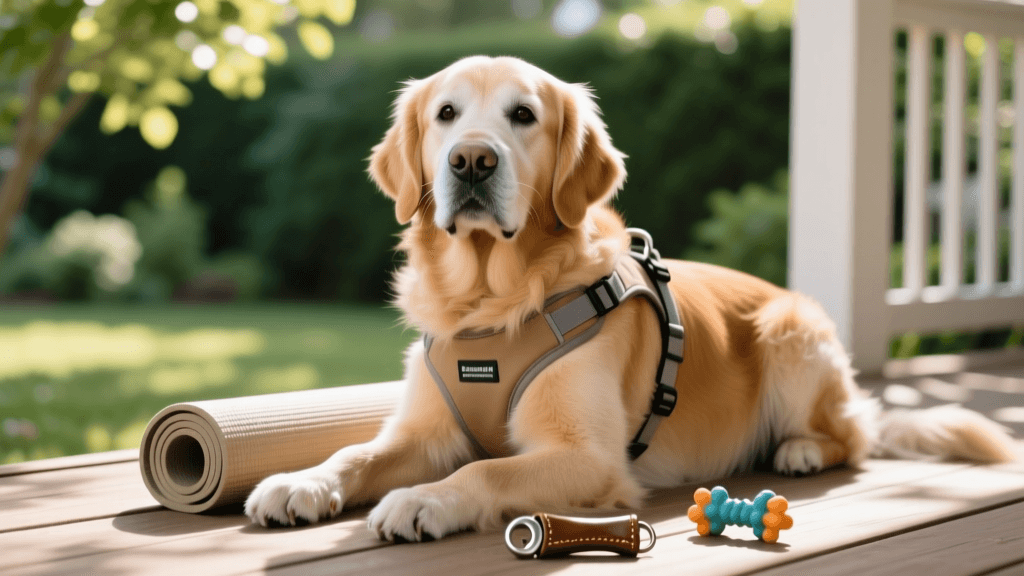
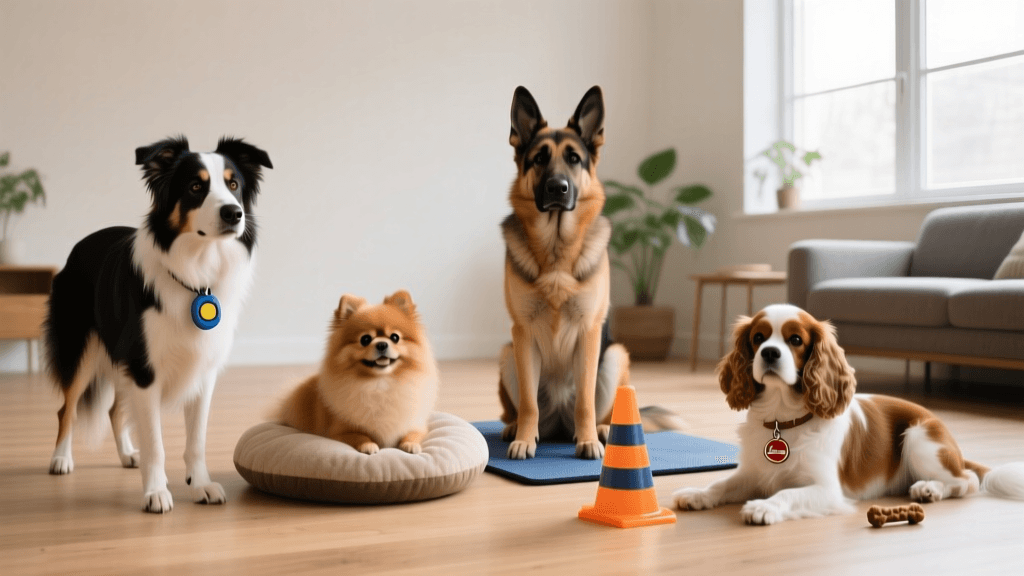
- Choose the Right Equipment: Invest in a raised cot (like a Kuranda or Coolaroo bed) or a distinct, non-slip training mat. Raised cots are often easier for dogs to understand because the physical edges provide a clear boundary.
- Lure Onto the Mat: With your dog on a leash, lure them onto the mat with a treat. The moment all four paws are on the mat, mark the behavior and reward.
- Introduce Duration: Ask your dog to sit or down on the mat. Wait one second, mark, and reward directly on the mat. Gradually increase the time to 3 seconds, 5 seconds, 10 seconds, and eventually several minutes. Use a long-lasting chew or a stuffed Kong to reinforce staying on the mat.
- Add Distance: Once your dog can stay on the mat for 30 seconds while you stand next to them, take one step back. Return, mark, and reward. Slowly increase your distance and add environmental distractions, like walking to the front door or picking up a leash.
- The Release: Always use a clear release word like 'Free' or 'Break' to let the dog know the training session or boundary requirement is over.
Managing Destructive Chewing Through Environment Design
Chewing is a natural, necessary behavior for dogs, especially during the teething phase or when experiencing boredom. The goal of dog-proofing is not to stop chewing, but to redirect it to appropriate outlets. If your dog is chewing baseboards or furniture, the environment is not set up correctly for their current developmental stage.
First, apply a pet-safe deterrent, such as bitter apple spray, to furniture legs and baseboards. However, deterrents only work if you simultaneously provide highly attractive alternatives. Keep a variety of textures available: rubber toys (like the Kong Classic), nylon chews (like Benebones), and natural options like bully sticks. Rotate these toys every few days to maintain your dog's interest and prevent toy fatigue.
When you catch your dog chewing an inappropriate item, do not chase them, as this turns the behavior into a fun game of keep-away. Instead, calmly approach them, offer a high-value trade (like a piece of chicken or a favorite toy), and praise them enthusiastically when they drop the forbidden item and take the appropriate chew. Over time, your dog will learn that their designated toys are the most rewarding items in the house.
Conclusion
Creating a harmonious home environment with your dog is an ongoing process that blends physical dog-proofing with consistent behavioral training. By utilizing physical barriers to manage hazards, teaching impulse control commands like 'Leave It' and 'Out', and establishing a reliable 'Place' command, you empower your dog to make good choices. Remember that patience and consistency are your greatest tools. A well-proofed home and a well-trained mind will ensure your dog remains safe, happy, and a joy to live with for years to come.
jonas-cole
All our authors care for dogs every day — read more of their work on the authors page.