Comparing Dog Breed Trainability: Owner Selection Guide
Compare dog breed trainability to find your perfect match. Discover training needs, costs, and timelines for herding, working, and toy breeds.
The Hidden Cost of Ignoring Breed Trainability
Selecting a dog based solely on appearance, size, or popularity is one of the most common mistakes prospective owners make. While a fluffy coat or soulful eyes might win your heart, it is a dog's cognitive profile and genetic drive that will dictate your daily life. Trainability—the speed at which a dog learns, retains, and reliably performs commands under distraction—varies wildly across breed groups. Understanding these differences is crucial for behavioral conditioning, obedience training, and long-term socialization success. If you are a first-time owner with a busy schedule, bringing home a high-drive herding breed can lead to mutual frustration, whereas a seasoned handler might find a toy breed's independence equally challenging. This guide compares breed trainability to help you select a canine companion that aligns with your training capacity, lifestyle, and financial budget.
The Genetics of Learning: How Purpose Dictates Obedience
To understand why some dogs master a 'sit-stay' in three days while others take three months, we must look at selective breeding. According to the American Kennel Club (AKC), a dog's historical job profoundly impacts its modern learning style. Herding breeds, such as Border Collies and Australian Shepherds, were selectively bred for 'biddability'—the innate desire to watch and respond to human handlers' whistles and hand signals across vast fields. Consequently, they learn complex behavioral chains rapidly but require constant mental engagement to prevent neurotic behaviors like shadow-chasing.
Conversely, scent hounds like Beagles and Bloodhounds were bred to follow a scent trail for miles, actively ignoring the handler's recall commands until the prey was found. This is not 'stubbornness' in the human sense; it is profound genetic focus. Similarly, guardian breeds (like the Great Pyrenees) were bred to make independent life-or-death decisions without human input, making them highly intelligent but notoriously slow to respond to rote obedience drills. Matching your training expectations to these genetic realities is the cornerstone of successful dog ownership.
Breed Trainability Comparison Chart
The following table provides a structured comparison of popular breeds across different groups, highlighting their baseline training requirements and behavioral tendencies.
| Breed | Breed Group | Time to Basic Obedience | Daily Mental Stimulation | Stubbornness Factor | Ideal Owner Profile |
|---|---|---|---|---|---|
| Border Collie | Herding | 2-4 Weeks | 60+ Minutes | Low (High Neurosis Risk) | Active, experienced handlers |
| Golden Retriever | Sporting | 4-6 Weeks | 30-45 Minutes | Very Low | First-time owners, families |
| Beagle | Hound | 8-12 Weeks | 45 Minutes (Scent work) | High (Scent driven) | Patient owners, rural spaces |
| French Bulldog | Non-Sporting | 6-10 Weeks | 15-20 Minutes | Moderate | Apartment dwellers, casual |
| Shiba Inu | Working/Spitz | 10-16 Weeks | 30 Minutes | Very High (Independent) | Respectful, creative trainers |
Socialization and Behavioral Conditioning by Breed Group
The critical socialization window for puppies occurs between 3 and 14 weeks of age. However, the type of socialization required depends heavily on the breed. The ASPCA emphasizes that positive, structured exposure to novel stimuli is vital for preventing fear-based aggression and anxiety. For livestock guardian breeds and terriers, early socialization must focus heavily on neutrality—teaching the dog to observe other animals and strangers without reacting. If a terrier is allowed to rehearse chasing behaviors (like lunging at squirrels) during this critical window, the behavioral conditioning becomes deeply ingrained and difficult to reverse.
For herding breeds, socialization should include environmental stability. Because they are hyper-aware of movement, exposing them to chaotic environments (like busy farmers' markets or children's playgrounds) while teaching a 'settle' or 'place' command helps prevent reactivity. Toy breeds, often carried everywhere, require deliberate 'four-on-the-floor' socialization to prevent Small Dog Syndrome, where they learn to use aggression to keep larger threats away because they are never forced to navigate the world on their own paws.
Trick Teaching: Shaping Behaviors Across Breeds
Trick teaching is not just for entertainment; it is a powerful tool for building canine confidence and strengthening the human-animal bond. When selecting a breed, consider the types of tricks and mental games you enjoy teaching. Herding and sporting breeds excel at 'shaping'—the process of rewarding incremental steps toward a complex behavior. You can easily teach a Border Collie to sort laundry by color or fetch specific toys by name using a clicker and high-value treats.
On the other hand, independent breeds like the Shiba Inu or Afghan Hound often view repetitive trick training as pointless. For these dogs, trick teaching must be kept to short, highly rewarding 3-minute sessions. 'Capture' training—where you click and reward a natural behavior the dog offers spontaneously (like a cute head tilt or a paw stretch)—is often much more successful for independent breeds than luring or shaping, which can cause them to shut down or walk away.
Training Timelines and Financial Costs
Prospective owners must budget not just for the dog's purchase price, but for its education. Professional training costs vary significantly based on your breed's needs and your local market. Here is a breakdown of standard training investments:
- Group Puppy Classes: $150 to $300 for a 6-week course. Ideal for socialization and basic obedience in low-distraction environments. Best for biddable breeds like Golden Retrievers or Poodles.
- Private Behavioral Consultations: $100 to $200 per hour. Necessary for addressing breed-specific issues like leash reactivity in herding breeds or resource guarding in terriers.
- Board-and-Train Programs: $2,000 to $4,500 for 3 to 4 weeks. Often utilized by owners of high-drive working breeds who need intensive off-leash reliability and e-collar conditioning.
Timeline Expectations: Basic obedience (sit, down, stay, loose-leash walking) typically takes 4 to 8 weeks of consistent daily practice. However, achieving a reliable off-leash recall in a high-distraction environment can take 6 to 12 months, particularly for scent hounds and spitz breeds. The American Veterinary Society of Animal Behavior (AVSAB) strongly advises owners to invest in reward-based training methods, noting that dominance-based or punitive timelines often result in suppressed behaviors and increased aggression, ultimately costing more in behavioral rehabilitation.
Essential Gear for Breed-Specific Success
Having the right tools accelerates the training process and ensures safety. Your breed selection should dictate your gear purchases:
For High-Drive Herding & Working Breeds
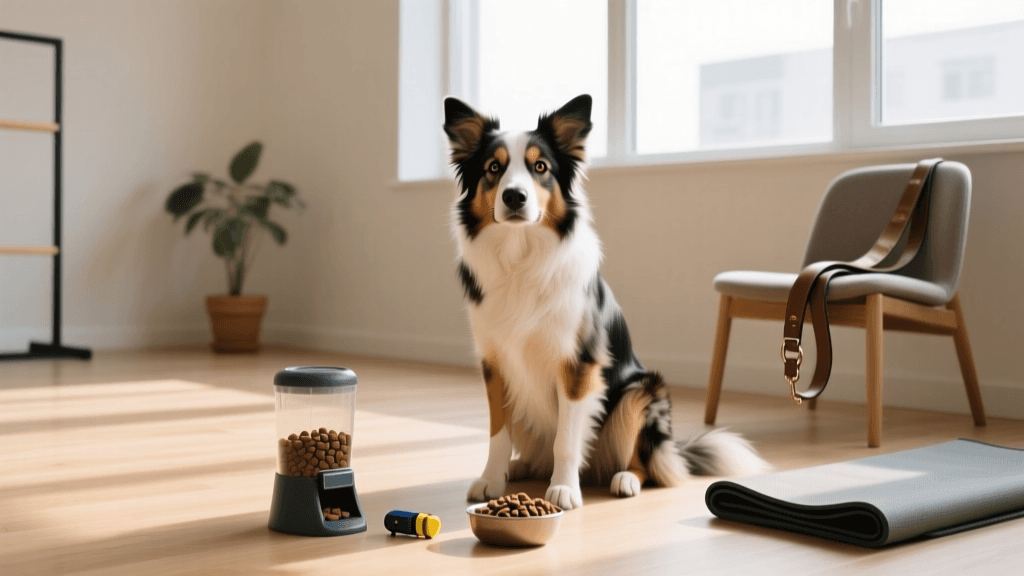
These dogs need an outlet for their prey drive. A Flirt Pole (approx. $25-$40) is essential for teaching impulse control commands like 'leave it' and 'drop it' while satisfying their need to chase. For treat delivery, a magnetic-closure Treat Pouch allows for rapid-fire reward marking during agility or advanced obedience shaping.
For Scent Hounds & Wanderers
Recall training a Beagle or Coonhound requires a 20-to-30-foot Biothane Long Line ($30-$50). Biothane is waterproof, doesn't tangle easily in brush, and allows the dog to explore scents safely while you maintain physical control. Pair this with ultra-high-value treats like freeze-dried beef liver to compete with the intoxicating smells of the outdoors.
For Toy & Companion Breeds
Small dogs have small mouths and lower caloric needs. Use Zuke's Mini Naturals (approx. $6 per bag) or boiled chicken breast cut into pea-sized pieces to prevent overfeeding during training sessions. A Micro-Clicker with a softer, quieter sound is recommended, as loud box clickers can startle sensitive toy breeds like the Italian Greyhound or Cavalier King Charles Spaniel.
Matching Your Lifestyle to the Breed
Before signing a breeder contract or adoption paper, conduct an honest self-assessment. If you work 10-hour days and enjoy relaxing on the weekends, a Border Collie or Belgian Malinois will likely develop destructive behavioral issues out of sheer boredom, regardless of how much money you spend on training. Instead, look toward mature sporting breeds or companion breeds that view training as a fun, occasional game rather than a biological necessity.
Conversely, if you are an outdoor enthusiast looking for a hiking partner and enjoy the daily discipline of structured obedience, a herding or versatile hunting breed will reward your efforts with unparalleled loyalty and cognitive brilliance. Trainability is not a measure of a dog's 'goodness' or intelligence; it is simply a measure of how closely their genetic wiring aligns with human directives. By selecting a breed whose training needs match your lifestyle, you set the stage for a harmonious, lifelong partnership.
hannah-wickes
All our authors care for dogs every day — read more of their work on the authors page.