How to Puppy Proof Your Home: Top Questions Answered
Discover how to puppy proof your home with answers to Google's most-asked questions. Learn essential safety tips, costs, and gear for your new dog.
Introduction: Why Puppy Proofing is Non-Negotiable
Bringing a new puppy into your home is a milestone filled with joy, tail wags, and unforgettable memories. However, if you have spent any time on search engines lately, you likely know that "how to puppy proof house" is one of the most frantic queries new owners type into Google. Puppies are essentially curious toddlers with sharp teeth and zero sense of self-preservation. They explore the world through their mouths, which means your everyday household items can quickly become hazardous obstacles. According to The Humane Society of the United States puppy care tips, preparing your environment before your dog arrives is the single most effective way to prevent emergency veterinary visits and behavioral issues. In this comprehensive guide, we are answering Google’s most-asked questions about puppy proofing, complete with specific product recommendations, exact measurements, and a realistic budget breakdown.
What Are the Most Common Household Dangers for Puppies?
When you look at your living room, you see a comfortable space. When a puppy looks at it, they see an all-you-can-eat buffet of interesting textures. The most common household dangers fall into three categories: electrical hazards, toxic substances, and choking risks.
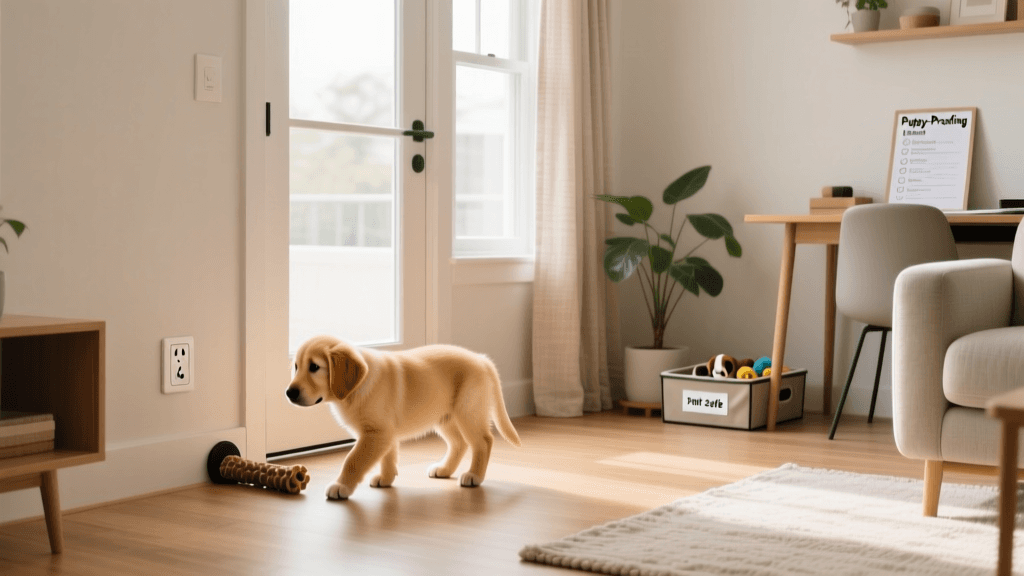
Electrical cords are incredibly tempting for teething puppies. A single bite into a plugged-in lamp cord can cause severe oral burns, electrocution, or even a fatal electrical shock. You must secure all wiring that sits within three feet of the floor.
Toxic substances are another major concern. Many popular houseplants are highly toxic to dogs. For instance, the Sago Palm, Oleander, and Azalea can cause liver failure or cardiac arrest if ingested. Before bringing a puppy home, cross-reference every plant in your house with the ASPCA's comprehensive list of toxic and non-toxic plants. Furthermore, human foods containing xylitol (an artificial sweetener found in sugar-free gum and some peanut butters), grapes, raisins, and macadamia nuts must be locked away in high pantries.
Finally, choking hazards are everywhere. Think about the items you drop on the floor daily: hair ties, coins, children's toys, socks, and remote control batteries. A good rule of thumb is that if an object can fit entirely inside a standard toilet paper tube, it is a choking hazard for a small to medium-sized puppy and must be kept in closed bins.
How Much Does Puppy Proofing Actually Cost?
One of the most frequent questions asked online is about the financial commitment of preparing a home. The cost of puppy proofing varies based on the size of your home and the current safety measures you already have in place. However, you do not need to spend a fortune to create a secure environment. Below is a realistic breakdown of the essential puppy proofing supplies you will need during the first month.
| Item Category | Specific Purpose | Estimated Cost |
|---|---|---|
| Hardware-Mounted Baby Gates | Block access to stairs and dangerous rooms | $40 - $75 each |
| Split Loom Cord Protectors | Prevent electrocution and cord chewing | $15 - $25 per 10ft |
| Dog-Safe Step Trash Cans | Stop scavenging and toxic food ingestion | $50 - $90 |
| Bitter Apple Deterrent Spray | Discourage chewing on furniture baseboards | $10 - $15 per bottle |
| Magnetic Cabinet Locks | Keep cleaning chemicals and medications secured | $20 - $30 per set |
As the table illustrates, you can expect to spend between $135 and $235 to thoroughly puppy proof a standard three-bedroom home. This is a fraction of the cost of a single emergency vet visit for an intestinal blockage, which can easily exceed $3,000.
Which Rooms Need the Most Attention?
While your entire home requires a safety sweep, three specific rooms demand the highest level of scrutiny: the kitchen, the bathroom, and the laundry room.
The kitchen is ground zero for food hazards and sharp objects. Puppies are notorious counter-surfers and scavengers. You must install magnetic cabinet locks on all lower cabinets, especially those housing cleaning supplies, dishwasher pods, and trash bags. Invest in a heavy-duty, lockable trash can like the simplehuman Step Trash Can, which features a secure lid latch that a puppy cannot nose open.
The bathroom poses unique risks, primarily involving water and medication. Puppies can easily drown in an open toilet bowl if they lose their balance while trying to drink from it. Keep the lid closed at all times, and consider installing a simple toilet lid lock. Additionally, never leave medications, vitamins, or dental floss on the bathroom counter. Dental floss is particularly dangerous; if swallowed, it can slice through a puppy's intestinal tract, requiring immediate and invasive surgery.
The laundry room is often overlooked but contains severe chemical hazards. Laundry detergent pods look remarkably like chew toys to a puppy. Store all detergents, stain removers, and dryer sheets on high shelves or behind locked doors.
What Are the Best Products for Puppy Proofing?
Not all baby gates and deterrents are created equal. When shopping for puppy proofing gear, durability and functionality are key. Here are the top-rated products favored by professional dog trainers and veterinarians:
- Regalo Easy Step Walk Thru Gate: This pressure-mounted gate is perfect for doorways and hallways. It stands 30 inches tall, which is sufficient to contain most small to medium breed puppies. For larger breeds like Golden Retrievers or German Shepherds, you may need to add the included extension kit or opt for a hardware-mounted gate to prevent them from knocking it over as they grow.
- JOTO Cord Protectors: These flexible, split-loom tubing sleeves are essential for hiding and protecting television, computer, and lamp wires. They are made from tough polyethylene that resists puppy teeth far better than standard rubber casings.
- Grannick's Bitter Apple Spray: This is the gold standard for taste deterrents. It leaves a bitter, non-toxic residue on furniture legs, baseboards, and shoes. However, it must be reapplied daily for the first two weeks to effectively condition the puppy to avoid the treated areas.
- MidWest Foldable Metal Dog Exercise Pen: When you cannot actively supervise your puppy, they must be in a secure area. This 36-inch-tall exercise pen provides a safe, enclosed "puppy zone" that is much larger than a standard crate, allowing them to play safely while you cook or shower.
How Do I Create a Safe "Puppy Zone"?
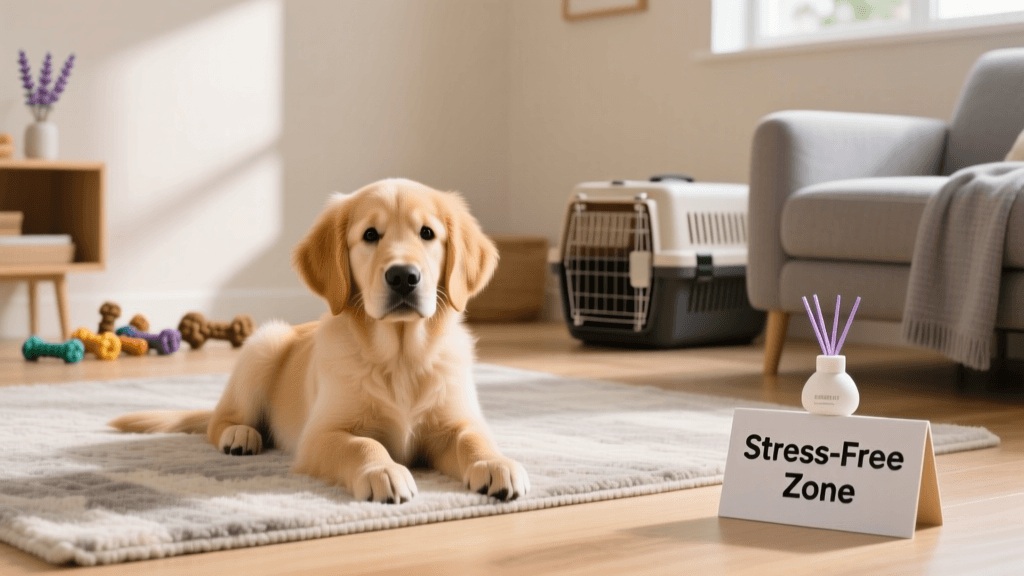
The concept of a "Puppy Zone" or "Long-Term Confinement Area" is heavily emphasized in modern dog training. According to the American Kennel Club (AKC) guidelines on puppy proofing, puppies should never be given free roam of the house until they have proven they are fully house-trained and have outgrown the destructive chewing phase, which can take up to 18 months.
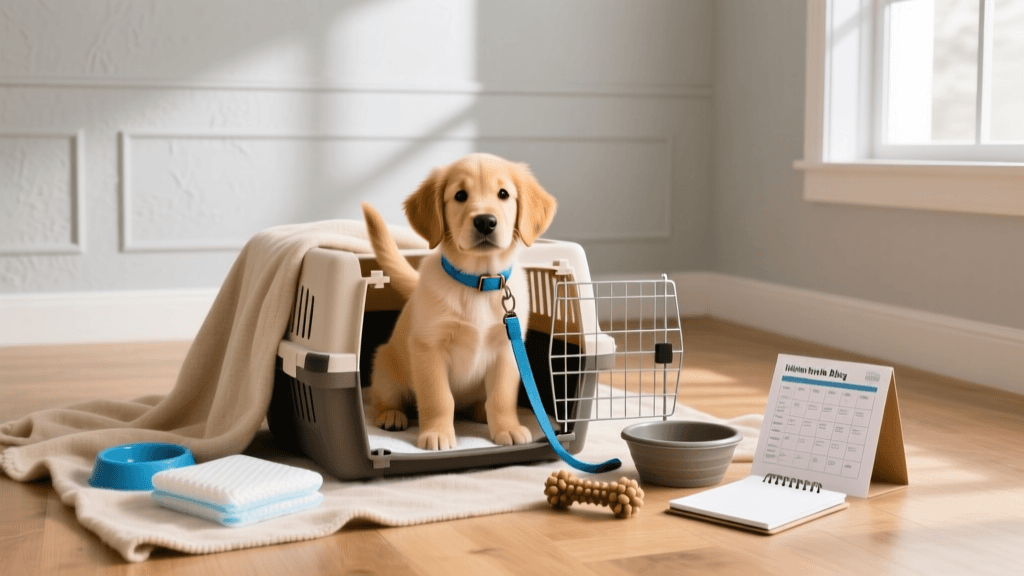
Your Puppy Zone should be set up in a low-traffic but socially connected area, like a corner of the living room or a sectioned-off kitchen. Use an exercise pen to create a boundary. Inside this zone, place the puppy's crate (with the door tied open), a designated potty area (like a litter box or pee pads, placed as far from the bed as possible), and a water bowl.
To keep the puppy mentally stimulated in this zone, provide interactive, indestructible toys. The KONG Classic, stuffed with dog-safe peanut butter and frozen overnight, is an excellent tool to keep a puppy occupied for hours while teaching them that their safe zone is a rewarding place to be.
When Should I Start Puppy Proofing?
Timing is everything. You should begin the puppy proofing process exactly three weeks (21 days) before your puppy is scheduled to come home. This timeline allows you to purchase necessary hardware, install gates, and test your deterrent sprays without the stress of simultaneously managing a hyperactive new arrival.
The most effective technique is the "Crawl Test." Get down on your hands and knees and crawl through every room your puppy will have access to. Look up, look down, and look under furniture. You will be amazed at what you find hiding under the sofa—lost pills, sharp objects, and forgotten snacks. By viewing your home from a puppy's eye level, you can identify and eliminate hazards that an adult standing upright would completely miss.
Final Thoughts on Preparing Your Home
Puppy proofing is not a one-time chore; it is an ongoing management strategy. As your puppy grows, their reach, strength, and problem-solving skills will increase. A gate that contained them at eight weeks old might be easily vaulted by six months. Stay vigilant, adapt your safety measures as they mature, and enjoy the peace of mind that comes with knowing your furry best friend is exploring a truly safe environment.
anouk-beaumont
All our authors care for dogs every day — read more of their work on the authors page.