Avoid These 7 Common Puppy-Proofing Mistakes For Dogs
Discover the top puppy-proofing mistakes new dog owners make. Learn how to safely prepare your home, avoid toxic hazards, and set up for success.

The Hidden Dangers in Your Home: A Guide to Puppy-Proofing
Bringing a new dog or puppy home is one of life’s most exciting milestones. However, the transition from a shelter or breeder environment to your living room comes with significant hidden risks. According to the ASPCA Animal Poison Control, tens of thousands of pets are exposed to household toxins every year, many of which could have been prevented with proper preparation. Puppy-proofing is not just about hiding shoes; it is a comprehensive safety audit of your living space.
Many new owners fall into the trap of assuming their home is inherently safe or that their new dog will instinctively know what is off-limits. This assumption leads to costly veterinary emergencies, destroyed property, and immense stress. Below, we break down the seven most common puppy-proofing mistakes new dog owners make and provide actionable, specific solutions to ensure your new companion thrives in a secure environment.
Mistake 1: Underestimating a Puppy’s Reach and Climbing Ability
New owners often look at a small, clumsy puppy and assume that kitchen counters or high tables are out of reach. This is a critical error. Puppies grow rapidly, and many breeds exhibit surprising climbing and jumping abilities even at a young age. A chair pushed slightly away from a dining table becomes a perfect stepping stone to a countertop where toxic foods or medications might be resting.
The Actionable Fix:
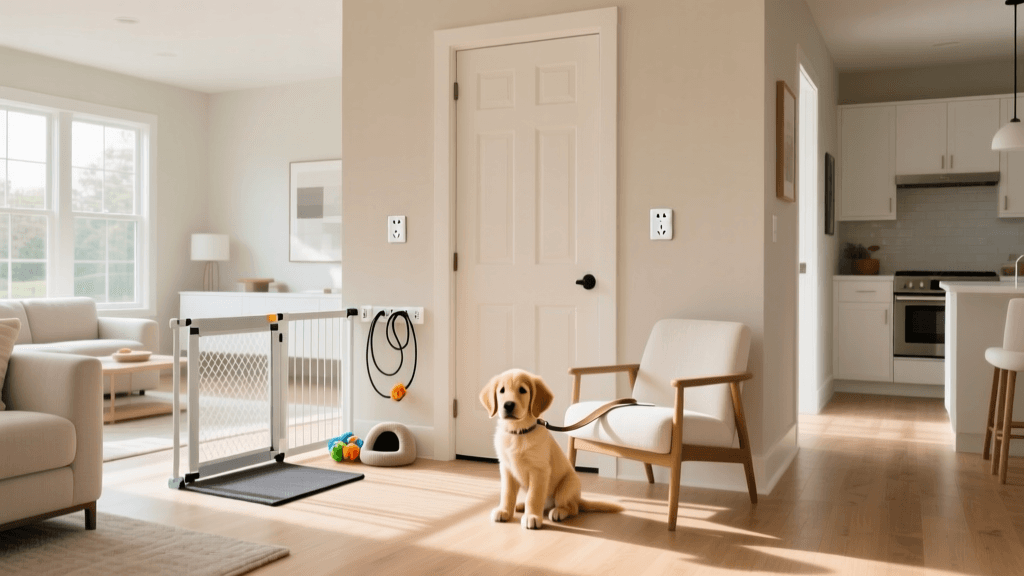
Do not rely on the dog’s current size. Install hardware-mounted baby gates rather than pressure-mounted ones in high-risk areas like kitchens and stairwells. Look for gates that are at least 30" to 36" tall, such as the Carlson Pet Products Walk-Thru Gate. Furthermore, adopt the ‘clear counter’ policy: absolutely no food, knives, or small appliances should be left on the edges of counters, regardless of the dog’s size.
Mistake 2: Leaving Human Medications and Supplements Accessible
Dropping a single pill on the floor or leaving a daily vitamin organizer on a nightstand can be fatal. Dogs are highly motivated by scent and will easily chew through plastic pill bottles or blister packs. Human medications like Ibuprofen, Acetaminophen, and antidepressants are highly toxic to canines. Even seemingly harmless supplements containing Xylitol (a common artificial sweetener in chewable vitamins) can cause rapid, life-threatening hypoglycemia and liver failure.
The Actionable Fix:
Store all medications in locked cabinets or high drawers that require a latch to open. If you use a weekly pill organizer, keep it inside a closed drawer or a lockbox. Never refer to medication as ‘treats’ when giving them to yourself or others in the house, as this can confuse a food-motivated dog.
Mistake 3: Ignoring Toxic Houseplants and Essential Oils
Many popular houseplants are highly toxic to dogs if ingested. The Humane Society of the United States warns that plants like Sago Palms, Lilies, Aloe Vera, and Pothos can cause severe gastrointestinal distress, neurological symptoms, or organ failure. Additionally, many owners use essential oil diffusers to keep their homes smelling fresh, unaware that oils like tea tree, eucalyptus, and citrus are toxic to dogs when inhaled or absorbed through the skin.
The Actionable Fix:
Audit your home using the ASPCA’s comprehensive toxic plant database. Move all toxic plants outside or rehome them. If you must keep non-toxic plants indoors, place them on high, secure shelves or use hanging macrame planters that are completely out of the dog’s jumping range. Replace essential oil diffusers with pet-safe air purifiers equipped with HEPA filters.
Mistake 4: Failing to Secure Electrical Cords and Outlets
Puppies explore the world with their mouths, and the rubbery texture of electrical cords is highly appealing to teething dogs. Chewing through a live wire can result in severe oral burns, electrocution, or even house fires. Similarly, low-to-the-ground electrical outlets pose a shock hazard if a puppy pokes a wet nose or a metal object into them.
The Actionable Fix:
Use split loom tubing or cable concealers, such as the JOTO Cable Management Sleeves, to bundle and hide loose wires behind entertainment centers and desks. For cords that must remain exposed, apply a bitter-tasting deterrent like Grannick’s Bitter Apple Spray directly to the cord casing. Finally, install child-proof sliding outlet covers on all unused, low-level electrical sockets.
Mistake 5: Choosing the Wrong Crate Size and Placement
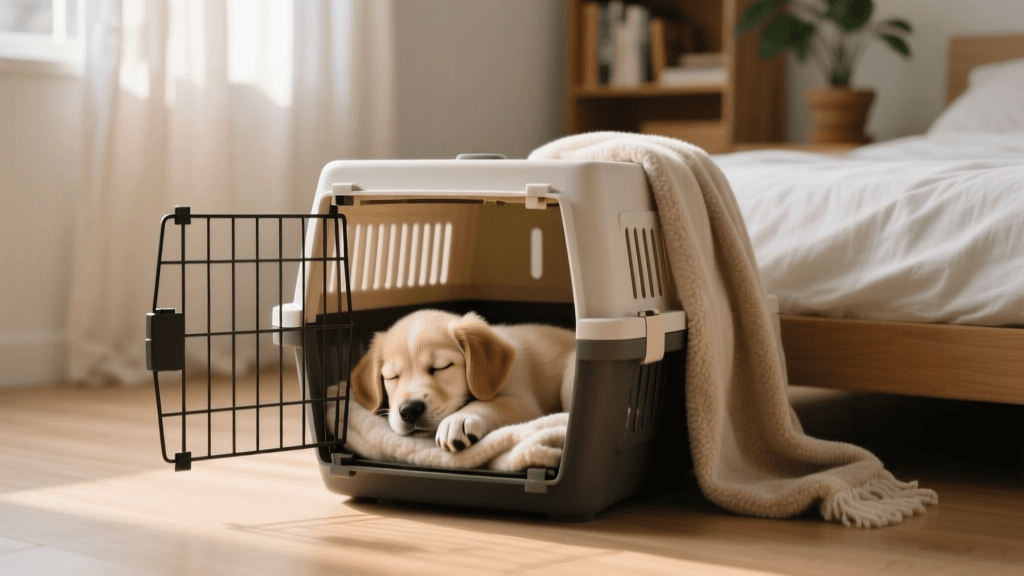
Crate training is a foundational element of housebreaking and safety. However, buying a massive crate for a small puppy so they can ‘grow into it’ is a major mistake. If a crate is too large, the puppy will designate one corner for sleeping and the opposite corner for eliminating, completely undermining your potty training efforts. Furthermore, placing the crate in an isolated basement or a high-traffic, noisy hallway can lead to severe separation anxiety or chronic stress.
The Actionable Fix:
Purchase a wire crate with an adjustable divider panel, such as the MidWest Homes for Pets iCrate. The crate should be just large enough for the puppy to stand up, turn around, and lie down comfortably. Adjust the divider as the dog grows. Place the crate in a quiet but socially integrated area, like a corner of the living room or your bedroom, so the dog feels part of the pack without being overwhelmed by foot traffic.
Mistake 6: Overlooking Small Choking Hazards on the Floor
New owners often dog-proof at eye level but forget to look at the floor. Items like hair ties, coins, socks, children’s toys, and even small pebbles tracked in from outside can cause fatal intestinal blockages if swallowed. The American Kennel Club (AKC) emphasizes that gastrointestinal blockages from foreign body ingestion are among the most common and expensive emergency surgeries for young dogs.
The Actionable Fix:
Perform the ‘toddler crawl’ test. Get down on your hands and knees in every room to see the environment from your dog’s perspective. Keep laundry in closed hampers, use magnetic sweeps in the garage or entryway to pick up dropped nails or coins, and enforce a strict ‘toys in the bin’ rule for children’s small toys.
Mistake 7: Skipping the ‘Safe Room’ Setup for the First Week
One of the most overwhelming mistakes is giving a new dog full, unsupervised access to the entire house on day one. This leads to inappropriate elimination, destruction of baseboards, and extreme overstimulation. A new environment is highly stressful, and too much space can make a dog feel insecure and prone to acting out.
The Actionable Fix:
Set up a designated ‘safe room’ or a 10x10 exercise pen area before the dog arrives. This space should include their crate, a water bowl, and safe chew toys. Use an enzymatic cleaner like Nature’s Miracle on the floors beforehand to remove any lingering scents from previous pets. Gradually expand their access to the rest of the house only after they have demonstrated reliable housebreaking and chewing habits over several weeks.
Puppy-Proofing Cost and Supply Checklist
Preparing your home requires a modest financial investment that pales in comparison to the cost of an emergency veterinary visit. Below is a structured breakdown of essential puppy-proofing supplies, estimated costs, and their priority level.
| Supply Item | Estimated Cost | Priority Level | Primary Purpose |
|---|---|---|---|
| Hardware-Mounted Baby Gate (30"+) | $50 - $80 | Critical | Restricting access to kitchens/stairs |
| Cable Management Sleeves / Conduit | $15 - $25 | Critical | Preventing electrocution and wire chewing |
| Adjustable Wire Crate with Divider | $60 - $120 | Critical | Safe confinement and potty training |
| Enzymatic Floor Cleaner | $15 - $20 | High | Eliminating pheromones to prevent marking |
| Bitter Apple Deterrent Spray | $10 - $15 | Medium | Discouraging chewing on furniture/cords |
| Child-Proof Outlet Covers (Sliding) | $10 - $20 | High | Preventing snout/shock hazards |
| Lockable Medication / Supply Cabinet | $40 - $90 | Critical | Securing toxic human meds and chemicals |
‘The most successful dog owners are those who manage the environment to set the dog up for success, rather than punishing the dog for exhibiting natural, curious behaviors in an unmanaged space.’
Conclusion: Preparation is the Key to a Happy Home
Avoiding these common puppy-proofing mistakes is the first and most crucial step in your journey as a dog owner. By securing toxins, managing the physical environment, and controlling your new dog’s access to the home, you eliminate the vast majority of preventable household hazards. Take the time to crawl on your floors, secure your cabinets, and invest in the right containment tools before your new dog crosses the threshold. A well-proofed home ensures that your new companion can explore, play, and grow safely, laying the foundation for a long, healthy, and joyful life together.
hannah-wickes
All our authors care for dogs every day — read more of their work on the authors page.