Puppy-Proofing Your Home: A Complete Safety & Toxin Guide
Learn how to puppy-proof your home with our emergency safety guide. Discover common household toxins, choking hazards, and life-saving prevention tips.
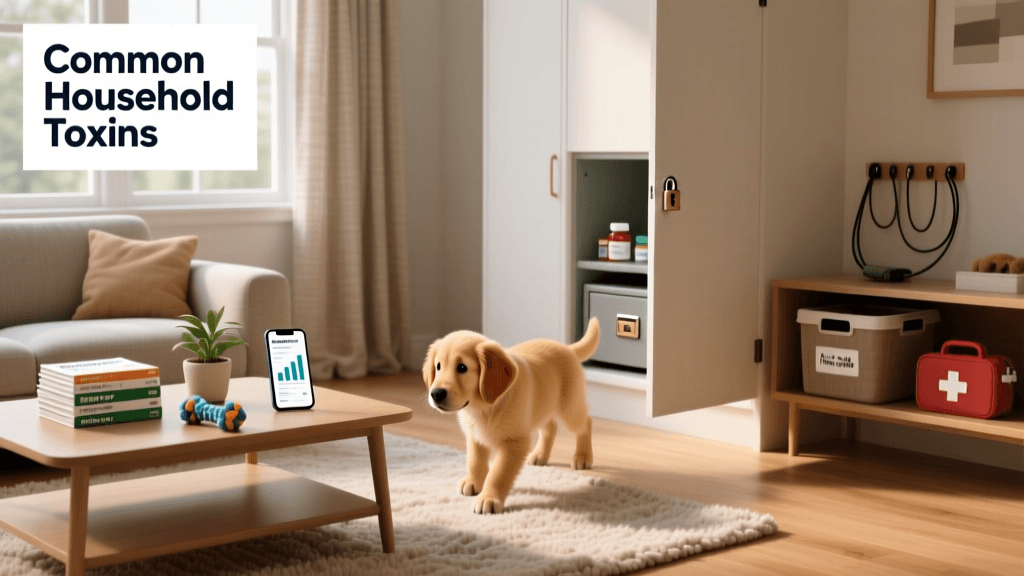
Welcoming Your Puppy: The Critical Need for Home Safety
Bringing a new puppy home is an exhilarating milestone filled with wagging tails, clumsy paws, and unforgettable memories. However, beneath the joy lies a hidden landscape of potential dangers. Puppies are essentially canine toddlers; they explore their environment primarily through their mouths, possess boundless curiosity, and lack the instinctual awareness to recognize household hazards. According to the American Kennel Club (AKC), thousands of puppies are treated in emergency veterinary clinics every year for preventable household accidents, ranging from toxic ingestions to intestinal blockages.
Puppy-proofing is not a one-time chore; it is an ongoing commitment to environmental management that evolves as your dog grows, becomes more agile, and develops new problem-solving skills. This comprehensive emergency and safety guide will walk you through the most critical hazards in your home, provide actionable prevention strategies, and outline a definitive emergency action plan should the unthinkable happen.
The Kitchen and Pantry: Ground Zero for Toxins
The kitchen is arguably the most dangerous room for a foraging puppy. While you might be aware that chocolate is bad for dogs, the modern pantry contains a myriad of hidden, highly toxic ingredients that can cause rapid, life-threatening emergencies.
The Xylitol Threat
Xylitol is an artificial sweetener found in sugar-free gum, baked goods, peanut butter, and even some toothpastes. While safe for humans, xylitol triggers a massive, rapid release of insulin in dogs. This leads to profound hypoglycemia (low blood sugar) within 10 to 60 minutes, causing weakness, seizures, and potentially fatal liver failure. Always read the ingredient label on any peanut butter before offering it to your puppy, and never leave sugar-free gum in accessible purses or backpacks.
Chocolate and Caffeine
Chocolate contains theobromine and caffeine, both of which are methylxanthines. Puppies are exceptionally sensitive to these compounds. The toxicity level depends on the type of chocolate (baking chocolate and dark cocoa powder are the most dangerous) and the size of the puppy. Symptoms of methylxanthine toxicity include vomiting, diarrhea, hyperactivity, abnormal heart rhythms, and tremors.
Common Pantry Toxins Table
| Toxic Food Item | Toxic Compound | Primary Symptoms | Emergency Severity |
|---|---|---|---|
| Grapes & Raisins | Unknown (Tartaric acid suspected) | Acute kidney failure, vomiting, lethargy | Critical |
| Onions, Garlic, Chives | N-propyl disulfide | Hemolytic anemia, pale gums, weakness | High |
| Macadamia Nuts | Unknown toxin | Hind limb weakness, hyperthermia, tremors | Moderate to High |
| Yeast Dough | Ethanol and expanding gas | Bloat, gastric dilation, alcohol poisoning | Critical |
Medicine Cabinets and Household Chemicals
Human medications are consistently ranked among the top causes of pet poisoning. The Pet Poison Helpline reports that over-the-counter painkillers, antidepressants, and ADHD medications are frequently ingested by puppies who mistake dropped pills for treats.
NSAIDs and Acetaminophen
Non-steroidal anti-inflammatory drugs (NSAIDs) like ibuprofen and naproxen, as well as acetaminophen (Tylenol), are incredibly dangerous to puppies. Even a single dropped pill can cause severe gastrointestinal ulceration, acute kidney injury, or liver failure. Never store medications in low cabinets, and always use a pill catcher or take medications over a sink or towel to prevent accidental drops onto the floor.
Cleaning Supplies and Antifreeze
Household cleaners, including bleach, ammonia, and toilet bowl cleaners, can cause severe chemical burns to a puppy's mouth, esophagus, and stomach. Furthermore, ethylene glycol, the primary ingredient in automotive antifreeze, has a sweet taste that attracts puppies. Ingestion of even a teaspoon can cause irreversible, fatal kidney failure. Store all chemicals in high cabinets secured with childproof latches, and immediately clean up any garage spills.
Botanical Dangers: Toxic Plants and Landscaping
Houseplants and garden landscaping add beauty to your home, but many common varieties are highly toxic to dogs. Puppies often chew on leaves or dig up bulbs out of boredom or teething discomfort.
- Sago Palm: Extremely toxic; all parts of the plant contain cycasin, which causes severe liver failure. The seeds are the most poisonous.
- Lilies: While more famously toxic to cats, certain lilies (like the Lily of the Valley) contain cardiac glycosins that can cause fatal arrhythmias in dogs.
- Oleander: A common outdoor shrub where every part of the plant is toxic, causing severe gastrointestinal and cardiac issues.
- Cocoa Bean Mulch: Often used in landscaping, this mulch smells like chocolate and contains theobromine. Opt for untreated wood chips or pine straw instead.
For a comprehensive, searchable database of toxic and non-toxic plants, always refer to the ASPCA's Toxic and Non-Toxic Plants list before bringing any new greenery into your home or yard.
Choking Hazards, Small Objects, and Electrical Risks
Teething puppies will chew on anything to soothe their aching gums. This puts them at severe risk for choking and intestinal blockages.
The Danger of Linear Foreign Bodies
Items like string, yarn, dental floss, and even the threads from chewed-up socks are known as linear foreign bodies. If swallowed, the intestines can bunch up around the string like a ribbon on a spool, causing the bowel to saw through itself. This requires complex, expensive, and life-saving emergency surgery. Keep all sewing kits, laundry baskets, and trash cans securely covered.
Electrical Cord Management
Chewing on live electrical cords can result in severe oral burns, pulmonary edema (fluid in the lungs), and electrocution. Use split-loom tubing, cord concealers, or bitter-tasting cord sprays to protect wires. Additionally, install childproof outlet covers on all unused receptacles near the floor.
Your Emergency Action Plan: What to Do When Disaster Strikes
Despite your best efforts, accidents can happen. When an emergency occurs, panic is your enemy. Having a predefined action plan can save your puppy's life.
CRITICAL RULE: Never induce vomiting in your puppy using hydrogen peroxide or salt water unless explicitly instructed to do so by a licensed veterinarian or a certified poison control toxicologist. Inducing vomiting after the ingestion of caustic chemicals or sharp objects can cause catastrophic secondary damage to the esophagus.
Step-by-Step Emergency Protocol
- Remove the Puppy from the Source: Safely secure your puppy away from the toxin or hazard to prevent further ingestion or injury.
- Gather the Evidence: Collect the packaging, the remaining plant material, or the medication bottle. Note the exact dosage, the active ingredients, and estimate how much was consumed and when.
- Contact the Experts: Call your primary veterinarian or the nearest emergency animal hospital immediately. If they are unavailable, contact the ASPCA Animal Poison Control Center or the Pet Poison Helpline. (Note: Consultation fees may apply, but the life-saving guidance is invaluable).
- Transport Safely: Keep the puppy calm and warm during transport. If the puppy is seizing or unconscious, keep them on their side to maintain an open airway and prevent aspiration.
Essential Emergency Contacts to Save in Your Phone
- Primary Veterinarian: [Insert Local Clinic Number]
- 24/7 Emergency Animal Hospital: [Insert Local ER Number]
- ASPCA Animal Poison Control: (888) 426-4435
- Pet Poison Helpline: (855) 764-7661
Conclusion: Vigilance is the Key to a Safe First Year
The first year of your puppy's life is a period of rapid growth, learning, and boundary-testing. By viewing your home through the eyes of a curious, ground-level explorer, you can proactively eliminate the vast majority of household hazards. Puppy-proofing is an investment in your dog's longevity and your own peace of mind. Regularly audit your home, secure your toxins, and maintain a sharp, well-practiced emergency action plan. With these safety measures in place, you can focus on the joyful, rewarding journey of raising a happy, healthy companion.
hannah-wickes
All our authors care for dogs every day — read more of their work on the authors page.