Budget-Friendly Puppy Feeding: Nutrition On A Budget
Discover budget-friendly puppy feeding strategies to save money without compromising health. Learn cost-effective tips, meal prep, and food comparisons.
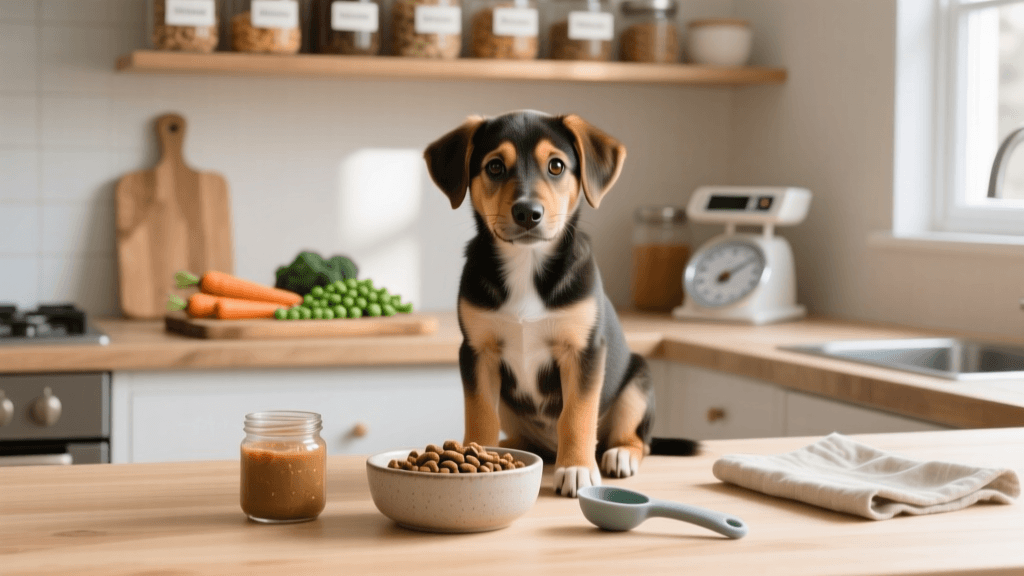
Raising a Puppy on a Budget: Nutrition Without Compromise
Bringing a new puppy into your home is one of the most rewarding experiences a dog lover can have. However, the financial reality of raising a puppy through their crucial first year can be daunting. According to various pet industry reports, the first-year costs of dog ownership can easily range from $1,500 to over $3,000. Among these expenses, nutrition represents a significant, recurring monthly cost that many new owners attempt to cut corners on. Unfortunately, feeding your puppy an inadequate or overly cheap diet can lead to severe developmental issues, stunted growth, and exorbitant veterinary bills down the road.
The good news is that budget-friendly puppy care does not mean sacrificing quality. With strategic shopping, a solid understanding of canine nutrition, and smart meal-prep habits, you can provide your growing puppy with premium nutrition while keeping your wallet intact. This comprehensive guide will walk you through the economics of puppy feeding, actionable cost-saving strategies, and how to read labels like a veterinary nutritionist.
Understanding Puppy Nutritional Needs: The AAFCO Statement
Before you start clipping coupons or buying in bulk, you must understand what makes a puppy food nutritionally complete. Puppies have vastly different nutritional requirements compared to adult dogs. They require higher levels of protein, fat, calcium, and phosphorus to support rapid bone growth, organ development, and high energy expenditure.
When shopping for budget-friendly puppy food, the single most important factor is the AAFCO (Association of American Feed Control Officials) statement on the back of the bag. According to the Tufts Cummings School of Veterinary Medicine Clinical Nutrition Team, you must look for a statement indicating that the food is formulated for 'growth and reproduction' or 'all life stages.' If a food is only formulated for 'adult maintenance,' it is entirely inappropriate for a growing puppy, regardless of how cheap it is. Feeding an adult maintenance diet to a puppy can lead to irreversible metabolic bone diseases and severe nutritional deficiencies.
Commercial vs. Alternative Diets: The Cost Breakdown
To budget effectively, you need to know where your money is going. Below is a comparison chart detailing the estimated monthly costs of different feeding methods for a medium-breed puppy (expected adult weight of 40-50 lbs) during their peak growth phase (months 3 through 6).
| Food Type | Avg. Monthly Cost | Pros | Cons |
|---|---|---|---|
| Premium Dry Kibble | $45 - $75 | Convenient, dental benefits, highly budget-friendly, long shelf life. | Lower moisture content, requires proper storage. |
| Canned Wet Food | $90 - $160 | High moisture, highly palatable, great for picky eaters. | Expensive, requires refrigeration after opening, messy. |
| Fresh Delivery Food | $120 - $250+ | Human-grade ingredients, perfectly portioned, highly digestible. | Very expensive, takes up significant freezer/fridge space. |
| Vet-Approved Homemade | $70 - $110 | Customizable, whole foods, control over sourcing. | Time-consuming, requires expensive balance supplements. |
As the table illustrates, a high-quality, AAFCO-approved dry kibble remains the undisputed champion of budget-friendly puppy feeding. Brands like Purina Pro Plan Large Breed Puppy, Hill's Science Diet Puppy, or Diamond Naturals offer excellent nutritional profiles that meet veterinary standards without the premium markup of boutique or fresh-delivery brands.
Actionable Tips to Save Money on Puppy Food
1. Buy in Bulk (But Store It Correctly)
Purchasing 30 lb or 35 lb bags of kibble is significantly cheaper per pound than buying 4 lb or 15 lb bags. However, buying in bulk only saves you money if the food doesn't spoil. The fats in dry dog food can go rancid when exposed to air, light, and humidity. To protect your investment:
- Keep it in the original bag: The bag preserves the barcode, lot number, and expiration date, which are vital if you ever need to report a defect or recall to the manufacturer.
- Use an airtight container: Place the entire bag inside a food-grade, airtight plastic or metal bin with a gamma-seal lid.
- Store in a cool, dry place: Avoid storing bulk food in humid garages or hot laundry rooms. A climate-controlled pantry is best.
2. Leverage Autoship and Subscription Services
Major online pet retailers like Chewy and Amazon offer 'Autoship' or 'Subscribe & Save' programs. By setting up a recurring delivery for your puppy's food, you can typically save between 5% and 10% on every order. Over the course of your puppy's first year, this compounds into substantial savings. Additionally, many pet food manufacturers offer rebates or 'buy one, get one free' mail-in coupons for new customers, which can often be stacked with retailer sales.
3. The 7-Day Transition Rule
One of the most common ways new owners waste money is by causing gastrointestinal upset. If you buy a budget-friendly food and immediately switch your puppy over, they will likely experience diarrhea. This not only wastes the food they cannot digest but often results in an expensive emergency vet visit for dehydration. Always transition foods over 7 to 10 days: mix 25% new food with 75% old food for three days, then 50/50 for three days, then 75% new with 25% old, before finally making the full switch.
DIY Training Treats on a Budget
Puppies require constant positive reinforcement, and commercial training treats can easily cost $8 to $15 for a tiny 10-ounce bag. When you are doing dozens of training sessions a week, this cost adds up rapidly. Instead of buying expensive commercial treats, utilize your puppy's daily kibble allowance and safe, low-cost household vegetables.
According to the ASPCA's list of toxic and non-toxic foods, many vegetables are incredibly safe, low-calorie, and cheap alternatives to processed treats. Excellent budget-friendly training rewards include:
- Baby Carrots: Crunchy, sweet, and packed with beta-carotene.
- Green Beans: Canned (low sodium/no garlic) or frozen green beans are highly motivating for food-driven puppies.
- Sweet Potato Chews: Slice a raw sweet potato into thin rounds and bake at 250°F (120°C) for 2-3 hours until dehydrated. A single $2 sweet potato can yield weeks of high-value training chews.
- Plain Kibble: Simply measure out your puppy's daily caloric allotment in the morning, and use a portion of their regular kibble as training rewards throughout the day. This prevents overfeeding and saves you from buying treats entirely.
Warning: Never feed your puppy grapes, raisins, onions, garlic, or anything containing xylitol (birch sugar), as these are highly toxic and can be fatal.
The Math: Calculating Your Puppy's Caloric Needs
Budget-friendly feeding also means avoiding overfeeding. Overfeeding your puppy not only wastes food but can cause rapid growth spurts that lead to orthopedic issues like hip dysplasia, especially in large breeds. Instead of blindly following the feeding chart on the back of the bag (which often overestimates portions), you can calculate your puppy's exact Resting Energy Requirement (RER).
The veterinary formula for RER is: 70 x (Body Weight in kg)^0.75.
For a growing puppy, you then multiply the RER by a factor of 2 (for puppies aged 4 to 12 months) or 3 (for puppies under 4 months). By measuring your puppy's food using a standard 8 oz dry measuring cup or a digital kitchen scale, you ensure that every single kibble is utilized for growth rather than turning into excess fat or being wasted.
Age-Based Feeding Schedule
A structured feeding schedule aids in potty training and prevents resource guarding. The American Kennel Club (AKC) recommends the following feeding frequencies based on age:
- 8 to 12 Weeks: 3 to 4 meals per day. Puppies have tiny stomachs and high metabolic rates, requiring frequent, smaller meals to maintain blood sugar levels.
- 3 to 6 Months: 3 meals per day. As their stomach capacity increases, you can consolidate their daily caloric intake into three feedings.
- 6 to 12 Months: 2 meals per day. Most puppies can transition to a standard morning and evening feeding schedule. Note that large and giant breeds may need to remain on puppy-specific food until they are 18 to 24 months old.
The Hidden Costs of Ultra-Cheap Diets
While saving money is the goal, there is a distinct difference between 'budget-friendly' and 'cheap.' Ultra-cheap, generic grocery store brands often rely on heavy fillers like corn gluten meal, artificial dyes, and low-quality by-products that lack bioavailability. This means your puppy will eat more of the food to get the nutrients they need, resulting in larger, smellier stools and a higher monthly consumption rate. Furthermore, the long-term veterinary costs associated with poor coat health, chronic allergies, and compromised immune systems will vastly outweigh the $15 you saved at the checkout counter. Always prioritize a mid-tier, AAFCO-approved diet from a brand that employs full-time veterinary nutritionists.
Conclusion
Navigating the financial demands of your puppy's first year requires strategy, not sacrifice. By selecting a high-quality, AAFCO-approved dry kibble, buying in bulk with proper storage, utilizing household vegetables for training, and strictly measuring portions, you can provide exceptional nutrition on a modest budget. Investing time into understanding your puppy's dietary needs today will save you thousands of dollars in veterinary bills tomorrow, ensuring your puppy grows into a vibrant, healthy, and happy adult dog.
beth-carrasco
All our authors care for dogs every day — read more of their work on the authors page.