First-Time Owner Guide: Puppy Teething Timeline & Toys
Discover the ultimate first-time owner guide to puppy teething. Learn the timeline, soothe sore gums, and find the best safe chew toys for your pup.
Welcome to the Chewing Phase: A First-Time Owner's Reality
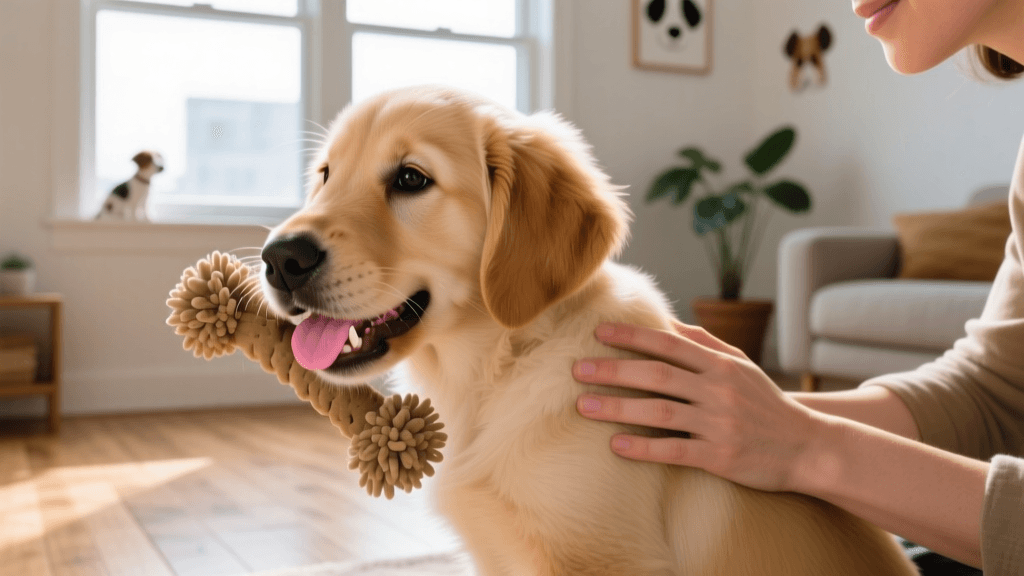
Bringing home your first puppy is an exhilarating experience filled with cuddles, clumsy paws, and adorable yawns. However, around the time your puppy reaches three to four months of age, many first-time owners are caught off guard by a sudden behavioral shift. Your sweet fluffball transforms into what veteran dog owners affectionately call a 'land shark.' This is the onset of puppy teething, a completely natural but often frustrating developmental milestone. During this phase, your puppy will feel an intense, biological urge to chew on absolutely everything in sight to relieve the pressure and pain of emerging adult teeth. Understanding the teething timeline, knowing how to soothe your puppy's sore gums, and providing the right tools are essential for saving your furniture, your shoes, and your sanity. This comprehensive guide will walk you through everything you need to know to survive and thrive during your puppy's teething phase.
The Puppy Teething Timeline: What to Expect
Just like human babies, puppies are born without teeth. Their dental development happens in distinct stages over the first six to eight months of life. According to the American Kennel Club (AKC), puppies will develop 28 deciduous (baby) teeth, which are eventually replaced by 42 permanent adult teeth. Knowing this timeline helps you anticipate behavioral changes and prepare your home accordingly.
| Age Range | Dental Milestone | First-Time Owner Action Plan |
|---|---|---|
| 2 to 4 Weeks | Baby incisors and canines begin to erupt. | No action needed; the mother handles weaning and care. |
| 5 to 6 Weeks | All 28 baby teeth are fully visible. Puppies start exploring solid food. | Begin introducing soft, puppy-specific kibble soaked in warm water. |
| 12 to 16 Weeks | Baby teeth begin falling out; adult incisors and canines push through. | Puppy-proof the home. Introduce soft rubber teething toys and frozen soothers. |
| 4 to 6 Months | Adult premolars and molars emerge. Peak chewing intensity and gum discomfort. | Rotate chew toys daily. Monitor for retained baby teeth and excessive bleeding. |
| 6 to 8 Months | All 42 adult teeth should be fully in place. | Schedule a veterinary dental checkup to ensure no baby teeth are retained. |
Common Signs Your Puppy is Teething
Because puppies cannot tell us they are in pain, they communicate their discomfort through behavior and physical symptoms. If you notice the following signs, your puppy is likely in the thick of the teething process:
- Excessive Chewing: A sudden obsession with gnawing on baseboards, shoes, crate bars, and your hands.
- Spots of Blood: Finding small blood spots on their favorite chew toys or in their water bowl is normal as baby teeth detach from the gums.
- Increased Drooling: Saliva production increases to help soothe inflamed gum tissue.
- Whining or Irritability: Puppies may seem more clingy, vocal, or easily frustrated due to constant oral discomfort.
- Ear Rubbing and Head Shaking: The nerves in the gums are connected to the ears; chewing and ear rubbing provide counter-pressure that relieves jaw pain.
- Missing Teeth: You might find tiny, rice-sized teeth on the carpet, though many puppies simply swallow them while eating, which is harmless.
Practical, Low-Cost Ways to Soothe Sore Gums
You do not need to spend a fortune to provide your puppy with relief. Cold temperatures constrict blood vessels in the gums, reducing inflammation and numbing the pain. Here are three highly effective, budget-friendly soothing methods recommended by veterinary professionals:
1. The Frozen Washcloth Trick (Cost: $0)
Take a clean, unused cotton washcloth and soak it in water or low-sodium chicken broth. Wring it out until it is damp but not dripping. Twist the cloth tightly into a rope shape, tie a knot in the middle, and place it in a ziplock bag in the freezer for two hours. The frozen knot provides an excellent, textured surface for your puppy to gnaw on while the cold numbs their gums. Always supervise your puppy with a washcloth to ensure they do not chew off and swallow pieces of the fabric.
2. Frozen Whole Carrots (Cost: ~$2 per bag)
Carrots are a fantastic, low-calorie, edible chew. Peel a large, whole carrot (avoid baby carrots, as they pose a choking hazard for small breeds), soak it in water, and freeze it solid. The hardness of the frozen carrot massages the gums, and as it thaws, it provides a healthy, fiber-rich snack. This is especially useful for breeds prone to rapid weight gain.
3. Broth Ice Cubes (Cost: Pennies per batch)
Fill a standard ice cube tray with water and add a teaspoon of low-sodium, onion-free, and garlic-free chicken or beef broth. Freeze until solid. Tossing these flavored ice cubes across a hard floor provides both mental enrichment and soothing relief for inflamed gums.
Top Rated Safe Chew Toys for Teething Puppies
Investing in the right chew toys is non-negotiable for first-time owners. Puppy teeth are sharp but fragile; their jaws are not yet strong enough to handle adult dog toys. Resources like PetMD emphasize the importance of using toys specifically designed for the softer jaws of puppies to prevent tooth fractures. Below is a comparison of the best options on the market:
| Toy Brand & Model | Material | Estimated Cost | Best Use Case |
|---|---|---|---|
| KONG Puppy Toy | Soft, flexible rubber | $8 - $12 | Stuffable with peanut butter or yogurt and frozen for long-lasting distraction. |
| Nylabone Puppy Chew | Soft, non-toxic polymer | $6 - $9 | Flavor-infused (bacon/chicken) to encourage chewing on the toy rather than furniture. |
| Benebone Puppy | Softer nylon blend | $12 - $15 | Ergonomic shape (wishbone or paw) allows puppies to grip it easily with their front paws. |
| Outward Hound Hide-A-Squirrel | Plush fabric | $15 - $20 | Mental stimulation and gentle tugging; great for redirecting biting away from human hands. |
Dangerous Chews: What First-Time Owners Must Avoid
Not all chews sold in pet stores are safe for teething puppies. In fact, some can lead to expensive emergency veterinary visits. To protect your puppy's developing teeth and digestive tract, strictly avoid the following:
- Rawhide: Rawhide is notoriously difficult to digest. Puppies often break off large, hard chunks that can cause choking or severe intestinal blockages requiring surgery.
- Cooked Bones: Never give a puppy (or an adult dog) cooked bones from your dinner table. Cooking makes bones brittle, causing them to splinter into sharp shards that can puncture the esophagus, stomach, or intestines.
- Antlers and Hooves: While marketed as 'natural,' these items are far too hard for puppy teeth. Veterinary dentists frequently see slab fractures in puppies who chew on weight-bearing bones and antlers, which exposes the painful nerve canal and requires extraction or root canals.
- Sticks and Rocks: Outdoor sticks can splinter and cause oral lacerations, while rocks can severely wear down tooth enamel or crack teeth entirely.
Puppy-Proofing Your Home on a Budget
Because your puppy will seek out forbidden items when their gums ache, proactive puppy-proofing is your best defense. You do not need to spend hundreds of dollars; a few strategic purchases will save your belongings.
- Bitter Apple Spray ($10 - $15): This safe, non-toxic deterrent tastes terrible to dogs. Spray it on baseboards, table legs, and the edges of rugs. Reapply daily for the first week until the puppy learns to avoid those surfaces.
- Cord Protectors ($12 - $18): Puppies love the texture of electrical cords, which poses a fatal electrocution risk. Purchase split-loom tubing or flexible cord concealers from any hardware store to encase your TV and lamp wires.
- Baby Gates ($30 - $45): Restrict your puppy's access to high-risk areas like the kitchen or home office when you cannot actively supervise them. Confinement prevents destructive chewing habits from forming in the first place.
When to Call the Veterinarian
While teething is a normal process, complications can arise. The ASPCA advises owners to monitor their puppy's mouth closely during the transition phase. The most common issue is 'retained deciduous teeth,' which occurs when the adult tooth erupts but the baby tooth fails to fall out. This creates a 'double fang' appearance and can trap food and bacteria, leading to early periodontal disease or misalignment of the adult bite. If you notice two teeth occupying the same space after your puppy is four months old, schedule a veterinary appointment. Extraction of retained baby teeth is a routine procedure, typically costing between $50 and $150 per tooth, and it ensures your puppy's adult teeth grow in straight and healthy.
Surviving the puppy teething phase requires patience, consistency, and a well-stocked arsenal of safe chew toys. By understanding the timeline, providing soothing relief, and managing your puppy's environment, you will guide them comfortably through this milestone and protect your home in the process. Remember, this intense chewing phase is temporary, but the good habits you establish now will last a lifetime.
jonas-cole
All our authors care for dogs every day — read more of their work on the authors page.