The 8 to 12 Week Puppy Stage: Your First Month Home Guide
Discover essential care tips for your 8 to 12 week old puppy. Learn about feeding, potty training, socialization, and vet visits in this life stage guide.

The 8 to 12 Week Life Stage: A Critical Transition
The 8 to 12-week window is arguably the most formative period in your dog's entire life. During this life stage, your puppy is transitioning from the litter to your home, experiencing rapid brain development, and entering the primary socialization window. According to the American Veterinary Society of Animal Behavior (AVSAB), the first three months are when a puppy's primary socialization occurs, making it imperative to expose them to new stimuli safely. This comprehensive life stage care guide will walk you through the exact nutrition, potty training, socialization, and veterinary protocols you need to set your puppy up for lifelong success.
Nutrition and Feeding Schedules for 8-12 Week Olds
At 8 weeks, your puppy's digestive system is still developing, but their caloric needs are exceptionally high due to rapid growth. Most puppies in this life stage require three to four meals per day. Feeding a high-quality, AAFCO-approved puppy food is non-negotiable. For large breeds, opt for a large-breed specific formula like Purina Pro Plan Large Breed Puppy to ensure controlled calcium and phosphorus levels, which protect developing joints.
Portion Sizes and Costs
As noted by the American Kennel Club (AKC), portion sizes should be dictated by the food manufacturer's guidelines based on your puppy's estimated adult weight, not just their current weight. Expect to spend between $50 and $80 per month on premium puppy kibble. Always measure food using a standard 8 oz measuring cup rather than guessing, as overfeeding during this life stage can lead to orthopedic issues later in life.
Potty Training and Crate Management
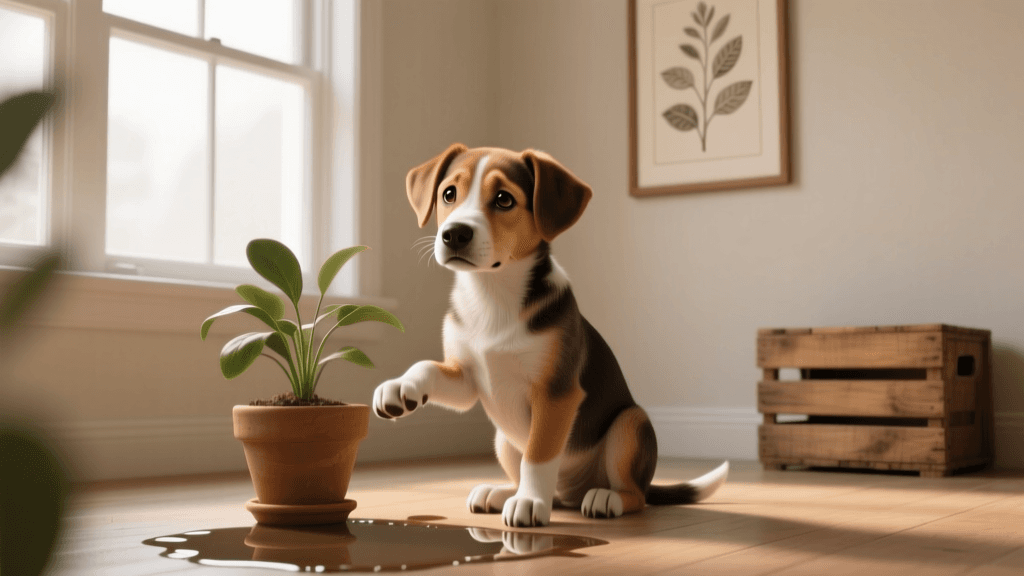
Potty training an 8 to 12-week-old puppy requires immense patience. A general rule of thumb for bladder control is one hour for every month of age. Therefore, an 8-week-old puppy can only hold their bladder for roughly two hours, and sometimes less when active or playing.
Crate Sizing and Setup
Crate training is essential for housebreaking. Purchase an adjustable crate, such as the MidWest Homes for Pets iCrate. Use the included divider panel to restrict the space. The crate should be just large enough for your puppy to stand up, turn around, and lie down. If the space is too large, they may eliminate in one corner and sleep in the other. Budget around $40 to $70 for a high-quality wire crate and an additional $15 for an enzymatic cleaner like Nature's Miracle Advanced Stain & Odor Eliminator to completely break down uric acid crystals from inevitable indoor accidents.
The Socialization Window and Fear Periods
The 8 to 12-week stage overlaps with the puppy's first fear period. During this time, negative experiences can have a lasting psychological impact. Your goal is to create positive associations with novel sights, sounds, and surfaces. Carry your puppy in a sling or use a pet stroller to expose them to the outside world before their vaccination series is complete.
Expert Tip: Never force your puppy to interact with something that scares them. Instead, use high-value treats like boiled chicken or freeze-dried liver to reward them simply for looking at the scary object from a safe distance.
Host puppy parties at your home and invite friends of all ages, wearing hats, sunglasses, and different types of clothing. Ensure any visiting dogs are fully vaccinated and have a calm, gentle temperament.
Veterinary Care and Preventative Health
Your puppy will need to visit the veterinarian every 3 to 4 weeks until they are roughly 16 weeks old to complete their DHPP (Distemper, Hepatitis, Parainfluenza, and Parvovirus) vaccine series. The AKC's recommended vaccination schedule suggests the first DHPP booster at 9-11 weeks, and the second at 12-14 weeks. Expect to budget between $200 and $400 for this initial series of vet visits, which will also include deworming and a comprehensive physical exam.
Flea, Tick, and Heartworm Prevention
Many preventatives, such as NexGard or Heartgard Plus, are safe to start at 8 weeks of age, provided your puppy meets the minimum weight requirement (usually 4 lbs). Always consult your veterinarian to prescribe the correct dosage based on your puppy's exact weight at the time of the appointment.
Handling and Grooming Desensitization
Another critical component of the 8 to 12-week life stage is grooming desensitization. Many adult dogs develop severe anxiety around nail trims, ear cleanings, and baths simply because they were not gently introduced to these procedures as young puppies. Dedicate five minutes every single day to handling exercises. Gently massage your puppy's paws, pressing lightly on the toe pads to simulate the pressure of nail clippers. Reward them with a lick mat smeared with plain, xylitol-free Greek yogurt. Introduce a soft-bristled brush, allowing them to sniff it before lightly stroking their back. Turn on an electric toothbrush near them without touching their teeth so they can acclimate to the vibration and sound. By making these interactions positive and reward-based now, you will save yourself hundreds of dollars in veterinary sedation fees and prevent traumatic grooming experiences in adulthood.
8-12 Week Puppy Daily Schedule & Milestone Tracker
Establishing a rigid routine helps your puppy feel secure and accelerates potty training. Below is a structured daily schedule tailored for a 10-week-old puppy.
| Time | Activity | Details & Actionable Advice |
|---|---|---|
| 7:00 AM | Wake Up & Potty | Carry puppy immediately outside. Reward with a treat and verbal praise. |
| 7:30 AM | Breakfast | Feed 1/2 to 1 cup of puppy food. Remove bowl after 15 minutes. |
| 8:00 AM | Play & Potty | 15 minutes of gentle play, followed by a potty break. |
| 8:30 AM | Morning Nap | Crate time. Puppies need 18-20 hours of sleep per day. |
| 11:00 AM | Potty & Socialization | Take puppy outside, then do 10 minutes of handling exercises (touching paws, ears). |
| 12:00 PM | Lunch | Second meal of the day. Use a puzzle toy like the KONG Puppy for mental stimulation. |
| 1:00 PM | Afternoon Nap | Crate time with a safe chew toy (e.g., Nylabone Puppy Chew). |
| 4:00 PM | Potty & Training | 5-minute training session focusing on sit and name recognition. |
| 5:00 PM | Dinner | Third meal of the day. Monitor water intake; remove water 2 hours before bed. |
| 8:00 PM | Final Potty & Bedtime | Low-light, calm environment. Crate covered with a breathable blanket. |
Managing Teething and Destructive Chewing
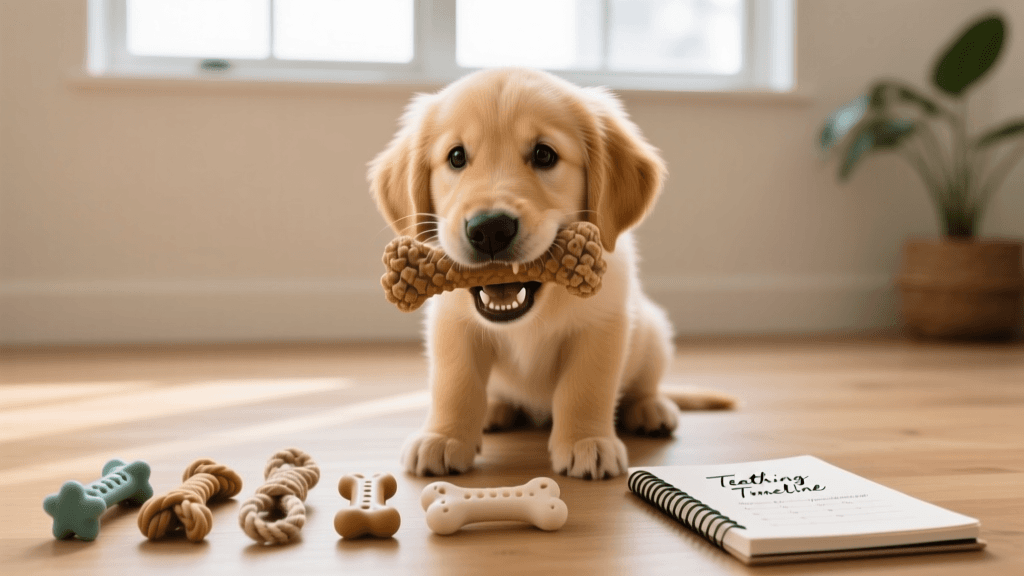
While the peak of teething occurs slightly later (around 4 to 6 months), 8 to 12-week-old puppies are already exploring the world with their mouths. Puppy-proof your home by removing electrical cords, toxic houseplants, and small choking hazards. The ASPCA's toxic plant list is an essential resource to cross-reference with your home and garden. Provide appropriate outlets for chewing, such as the KONG Classic Puppy Toy stuffed with plain canned pumpkin and frozen, which provides excellent relief for sore gums.
Final Thoughts on the 8-12 Week Stage
Surviving the 8 to 12-week life stage requires sleep deprivation, endless laundry, and a lot of patience. However, the foundation you build during these four weeks will dictate your dog's behavior, health, and confidence for the next decade or more. Stick to your schedule, prioritize positive socialization, and rely on your veterinarian as your primary partner in your puppy's care journey.
priya-sutaria
All our authors care for dogs every day — read more of their work on the authors page.