Puppy-Proofing Your Home: An Emergency Safety Guide
Learn how to puppy-proof your home for emergencies. Discover essential safety gear, toxic hazards, and prep checklists before bringing your new dog home.

Bringing a new dog into your home is one of life’s most rewarding experiences, but it also introduces a host of hidden dangers. From the perspective of emergency preparedness, a standard human home is essentially a minefield for an untrained, curious puppy or newly adopted adult dog. Before you ever bring your new companion through the front door, you must view your living space through the lens of risk mitigation. This comprehensive emergency and safety guide will walk you through the exact steps, products, and protocols required to puppy-proof your home, prevent catastrophic accidents, and prepare for the unexpected.
Identifying and Securing Hidden Toxins
The most common pet emergencies involve accidental poisoning. According to the ASPCA Animal Poison Control, tens of thousands of pets are exposed to toxic substances in the home every year. To prevent an emergency room visit that can cost upwards of $1,500, you must secure the following hazards immediately.
Human Foods and Medications
Xylitol (found in sugar-free gum and some peanut butters), grapes, raisins, macadamia nuts, and chocolate are highly toxic to dogs. All human medications, including over-the-counter painkillers like ibuprofen and acetaminophen, must be locked away. Never rely on standard cabinet latches; intelligent breeds can quickly learn to pry them open. Invest in Safety 1st OutSmart Flex Locks (approx. $8 per 2-pack), which require a dual-action squeeze that canine paws cannot replicate.
Household Chemicals and Plants
Bleach, ammonia, and antifreeze (which contains sweet-tasting but deadly ethylene glycol) must be stored on shelves at least 4 feet off the ground or behind locked doors. Additionally, audit your houseplants. Sago Palms, Lilies, and Pothos can cause acute liver failure or gastrointestinal blockages. Replace toxic greenery with dog-safe alternatives like Spider Plants or Boston Ferns.
Mitigating Physical and Choking Hazards
Dogs explore the world with their mouths, making choking and intestinal blockages a primary emergency concern. Small items like coins, hair ties, children’s toys, and socks must be kept in sealed bins.
Electrical Cord Safety
Chewing on live electrical wires can cause severe oral burns, pulmonary edema, and fatal electrocution. Use JOTO Cable Management Sleeves (approx. $15 for 10 feet) to bundle and conceal cords behind entertainment centers. For exposed baseboards, apply a bitter-tasting deterrent spray like Grannick's Bitter Apple ($12) to discourage chewing.
Water and Strangulation Risks
Toilet bowls pose a drowning risk for small breeds and a poisoning risk if you use automatic bowl cleaners. Install a simple Toilet Lid Lock ($6). Furthermore, cut the loops on all window blind cords or upgrade to cordless blinds to prevent fatal strangulation accidents.
Outdoor and Balcony Emergency Prevention
If you have a yard or balcony, perimeter security is your first line of defense against trauma emergencies, such as being hit by a car or falling from a height.
Fencing and Dig-Proofing
For most breeds, a minimum 6-foot fence is required to prevent jumping. However, terriers and hounds will dig underneath. To prevent escapes, install an 'L-footer' by burying hardware cloth or chicken wire horizontally along the fence line, extending 2 feet inward and covered with topsoil. For balconies, ensure railing gaps are less than 3 inches wide to prevent head entrapment or falls; use Tenax Deer Fencing or plexiglass barriers to close gaps securely.
Setting Up a Crash-Proof Safe Haven
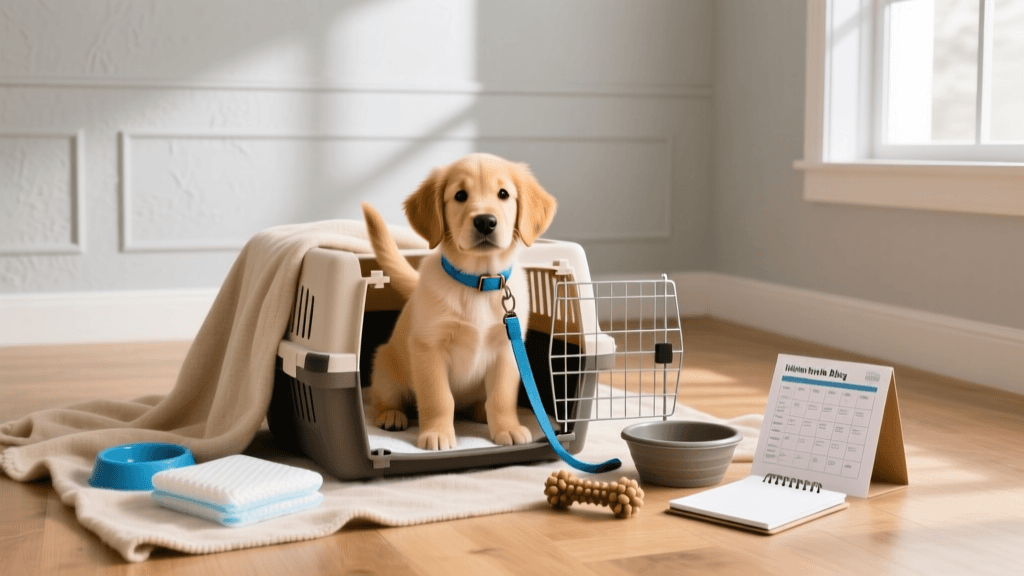
Every dog needs a designated safe zone where they cannot access hazards when unsupervised. A properly sized crate is the ultimate emergency prevention tool. To determine the correct size, measure your dog from the tip of their nose to the base of their tail, and add 2 to 4 inches. The height should allow them to stand without their ears touching the top. A MidWest Homes for Pets iCrate ($50–$80) with a divider panel is ideal for growing puppies, ensuring they have enough room to turn around but not enough space to soil one corner and sleep in the other.
Additionally, use pressure-mounted gates like the Regalo Easy Step Walk Thru Gate ($40) to block off high-risk rooms like kitchens, laundry rooms, or workshops where dangerous tools and chemicals are stored.
The Ultimate Canine Emergency First-Aid Kit
Even with perfect prevention, emergencies happen. The American Kennel Club strongly recommends keeping a dedicated pet first-aid kit on hand. Do not rely on human first-aid supplies alone, as many are unsafe for canines. Assemble the following kit and store it in a central, easily accessible location.
| Item | Purpose | Estimated Cost |
|---|---|---|
| Styptic Powder (Kwik Stop) | Stops severe bleeding from torn nails | $8 |
| Digital Rectal Thermometer | Checks for fever or hypothermia (Normal: 101-102.5°F) | $12 |
| Hydrogen Peroxide (3%) | Induces vomiting (ONLY if directed by a vet) | $3 |
| Basket Muzzle | Prevents biting when the dog is in shock or pain | $15 |
| Tick Twister Tool | Safely extracts ticks without leaving the head embedded | $6 |
| Saline Eye Wash | Flushes out debris, dirt, or chemical splashes | $5 |
| Self-Adhering Bandage (Vet Wrap) | Secures gauze without sticking to fur | $8 |
For comprehensive training on how to use these items, consider taking a certified course through the American Red Cross Pet First Aid program. Knowing how to properly perform canine CPR or safely muzzle an injured dog can be the difference between life and death while en route to the emergency clinic.
Fire Safety and Escape Protocols
In the event of a house fire, first responders need to know animals are inside. Order free Pet Alert Window Clings from the National Volunteer Fire Council and affix them to your front and back windows, updating the number and type of pets as needed. Consider upgrading to smart home smoke detectors, such as the Google Nest Protect ($119), which send emergency alerts directly to your smartphone, allowing you to notify dispatchers about trapped pets even if you are away from home.
Keep a spare leash and slip lead in your bedroom nightstand so you can quickly secure your dog during a midnight evacuation. Finally, ensure your dog’s microchip registration is fully updated with your current phone number and address before they even arrive home. A collar tag can fall off during a panicked escape, but a microchip is a permanent, fail-safe identification method that has reunited millions of lost pets with their owners.
Conclusion
Getting a dog is a profound commitment that extends far beyond food and affection. By proactively addressing environmental toxins, physical hazards, and emergency protocols, you are setting the foundation for a long, safe, and joyful life together. Take the time to walk through your home with this checklist, invest in the proper safety gear, and enjoy the peace of mind that comes with being a truly prepared dog owner.
anouk-beaumont
All our authors care for dogs every day — read more of their work on the authors page.