Budget-Friendly First-Year Dog Costs And Essential Saving Tips
Discover realistic first-year dog costs and actionable, budget-friendly tips to save money on essentials, vet care, and supplies for your new pup.
The True Cost of Welcoming a New Dog on a Budget
Bringing a new dog into your home is one of life’s most rewarding experiences, but it is also a major financial commitment. Many first-time dog owners are caught entirely off guard by the sheer volume of expenses that arrive during the first twelve months. From initial veterinary visits and vaccinations to crates, leashes, and high-quality kibble, the costs can quickly compound. However, being budget-friendly does not mean compromising on the health, safety, or happiness of your new best friend. With strategic planning, smart shopping, and a clear understanding of where you can cut corners and where you must invest, you can significantly reduce your first-year dog ownership costs.
According to the American Society for the Prevention of Cruelty to Animals (ASPCA), the average annual cost of dog ownership ranges from $730 to $1,800 depending on the size of the dog. But the first year is notoriously the most expensive, often doubling those figures due to one-time setup costs and initial medical procedures. Let us break down exactly what you should expect to spend and how to keep those numbers firmly in the budget-friendly zone.
First-Year Dog Expenses: Average vs. Budget-Friendly
To understand where your money is going, it helps to look at the numbers. Below is a comprehensive breakdown of typical first-year dog expenses, contrasting the average spending habits of new owners with targeted budget-friendly goals.
| Expense Category | Average First-Year Cost | Budget-Friendly Target | How to Save |
|---|---|---|---|
| Acquisition (Adoption/Buy) | $500 - $2,500+ | $50 - $300 | Adopt from a municipal shelter |
| Initial Vet Care (Vaccines, Spay/Neuter) | $400 - $800 | $100 - $250 | Use low-cost spay/neuter clinics |
| Gear (Crate, Bed, Bowls, Leash) | $250 - $500 | $100 - $180 | Buy second-hand crates, skip fancy beds |
| Food and Treats (Yearly) | $400 - $800 | $250 - $400 | Buy 30lb bulk bags, use DIY treat recipes |
| Preventatives (Flea/Tick/Heartworm) | $200 - $400 | $120 - $200 | Order online via Chewy or PetMeds |
| Licensing & Microchipping | $50 - $100 | $20 - $50 | Look for free shelter microchip events |
| Total Estimated First-Year Cost | $1,800 - $5,100 | $640 - $1,380 | Strategic planning and adoption |
Adoption Fees vs. Buying from a Breeder
The single largest initial expense when getting a dog is the acquisition cost. Purchasing a purebred puppy from a reputable breeder typically costs anywhere from $1,500 to over $3,000. While breeders offer predictability regarding size and temperament, this route is rarely budget-friendly.
Alternatively, adopting from a shelter or rescue organization usually costs between $50 and $300. According to The Humane Society of the United States, adoption fees are a fraction of the cost of buying a pet, and they almost always include essential first-year veterinary care. Most shelters provide the initial round of core vaccinations (DHPP and Rabies), a microchip, deworming, and a spay or neuter surgery within that single adoption fee. If you were to pay for these services out-of-pocket at a private veterinary clinic, you would easily spend $500 to $800. Adopting an adult dog (over one year old) is even more budget-friendly, as they are usually already house-trained and past the destructive chewing phase, saving you hundreds of dollars in ruined shoes and furniture.
Where to Save and Where to Splurge on Dog Gear
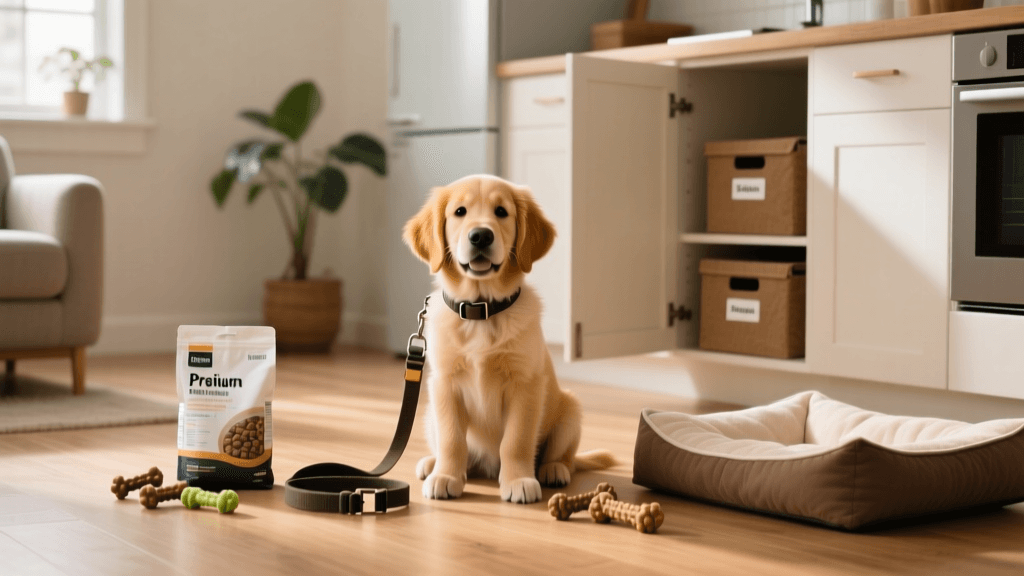
Walking into a pet supply store can be overwhelming, with aisles of orthopedic beds, GPS trackers, and designer collars. Knowing which items require a financial investment and which can be bought on the cheap is crucial for your wallet.
Crates and Containment
Where to Save: Dog crates are essential for house training and providing a safe den space, but brand-new wire crates are surprisingly expensive. A 42-inch MidWest Life Stages Double Door Crate for a large dog can cost upwards of $90. To save money, check Facebook Marketplace, Craigslist, or local thrift stores. Dogs do not care if their crate is second-hand. Simply clean it thoroughly with a pet-safe enzymatic cleaner before use.
Beds and Bedding
Where to Save: Skip the $100 orthopedic dog beds, especially for puppies who are prone to chewing and having accidents. Instead, purchase a cheap, elevated cooling cot (around $25) or simply fold up heavy, washable moving blankets from a hardware store. You can upgrade to a premium bed once your dog is fully mature and house-trained.
Leashes, Harnesses, and Collars
Where to Splurge: Do not buy cheap, thin nylon leashes that will burn your hands or snap under pressure. Invest in a sturdy, 4-to-6-foot biothane or double-layer nylon leash ($20-$30) and a well-fitted front-clip no-pull harness, such as the PetSafe Easy Walk Harness ($25). Avoid retractable leashes entirely; they are expensive, prone to breaking, and offer poor control during training.
Budget-Friendly Veterinary Care and Preventatives
Routine veterinary care is non-negotiable, but how you pay for it can vary wildly. Forbes Advisor notes that veterinary care represents one of the largest variables in the lifetime cost of a dog. To keep first-year vet bills low, establish a relationship with a low-cost community clinic or a veterinary school in your area for routine vaccinations and wellness exams.
For flea, tick, and heartworm preventatives, avoid purchasing them directly from your vet's office, as they often carry a retail markup. Instead, ask your vet for a written prescription and order the exact same FDA-approved medications (like NexGard or Heartgard Plus) from verified online pharmacies like Chewy or 1-800-PetMeds, which frequently offer 20% discounts on autoship subscriptions.
Smart Shopping for Dog Food and Treats
Feeding your dog a high-quality diet is vital for their long-term health, which ultimately prevents expensive medical bills down the road. However, you do not need to buy ultra-premium, boutique, or raw diets that cost $100 for a 20-pound bag.
- Buy in Bulk: Purchase 30-pound bags of reputable, AAFCO-approved food like Purina Pro Plan or Hill's Science Diet. The cost per pound drops significantly compared to 5-pound bags.
- Ditch the Store-Bought Treats: Training a new dog requires hundreds of treats. Instead of buying expensive commercial training treats, boil plain chicken breasts, dice them into pea-sized pieces, and store them in the fridge. Alternatively, use your dog's daily kibble ration for training sessions to avoid overfeeding and wasting money.
- DIY Enrichment: Puzzle toys and snuffle mats can cost $30 or more. You can create free mental enrichment by hiding kibble around your living room for your dog to sniff out, or by freezing low-sodium chicken broth in a classic Kong toy.
Hidden Costs You Must Prepare For
Even the most meticulous budgeters often forget a few localized expenses. First, check your local municipal laws regarding dog licensing. Many cities require an annual dog license, which usually costs around $10 to $20, but can result in hefty fines if your dog is picked up by animal control without one. Additionally, budget for a professional grooming session if you are adopting a breed with a continuously growing coat, such as a Poodle mix or a Shih Tzu. A basic bath and haircut can cost $60 to $90 every six weeks. If you are on a strict budget, consider adopting a short-haired, low-shedding breed that requires nothing more than a $10 rubber curry brush and an occasional bath at home.
Always maintain a separate emergency fund of at least $500 to $1,000 for unexpected veterinary emergencies. Budget-friendly care means finding smart discounts on daily essentials, not compromising on urgent, life-saving medical needs.
Conclusion
Getting a dog on a budget is entirely achievable if you approach the first year with a strategic mindset. By choosing adoption over buying, utilizing low-cost veterinary resources, sourcing second-hand gear, and buying food and preventatives in bulk, you can cut your first-year expenses by more than half. The love and companionship a dog provides are priceless, but with careful financial planning, the cost of their care can easily fit into your monthly budget.
hannah-wickes
All our authors care for dogs every day — read more of their work on the authors page.