7 Costly Mistakes To Avoid When Bringing A New Dog Home
Avoid these 7 common and costly mistakes when bringing a new dog home. Learn expert tips on puppy-proofing, essential gear, and first-week transition.
Why the First Week Sets the Tone for Your Dog's Life
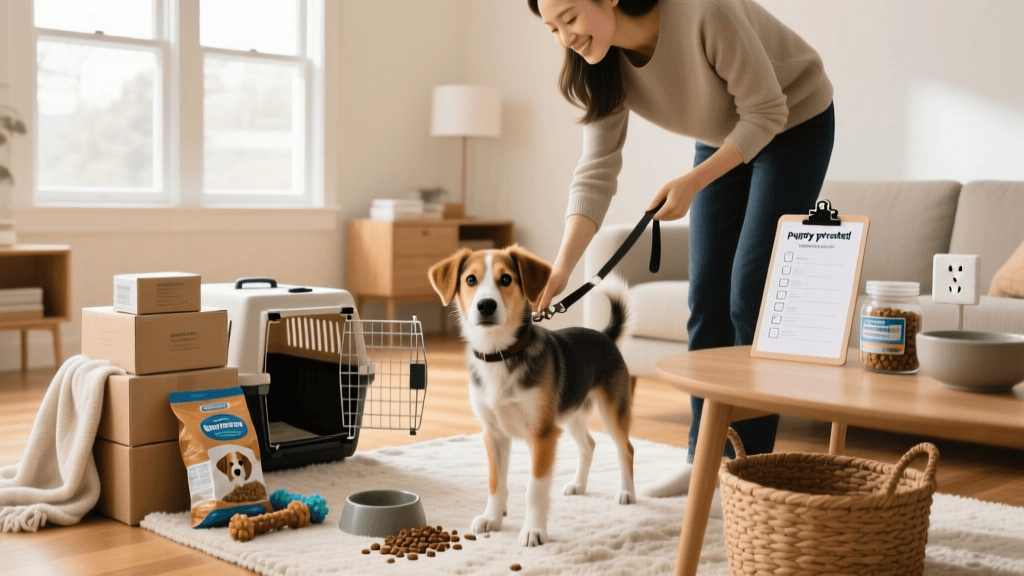
Bringing a new dog home is one of the most exciting milestones in life. Whether you are adopting a rescue from a local shelter or bringing home a carefully selected puppy, the joy of a new canine companion is unmatched. However, the first seven days are critical for establishing boundaries, building trust, and ensuring your home is a safe environment. Unfortunately, many new owners make well-intentioned but costly mistakes during this transition period. These errors can lead to behavioral issues, unnecessary veterinary bills, and immense stress for both the dog and the family. According to the American Society for the Prevention of Cruelty to Animals (ASPCA), a significant percentage of pet returns to shelters occur within the first month of adoption, often due to a lack of preparation and unrealistic expectations. To help you succeed, we have outlined seven common mistakes to avoid when bringing your new dog home, complete with actionable advice, gear recommendations, and expert-backed strategies.
Mistake 1: Skipping the 'Safe Room' Decompression Setup
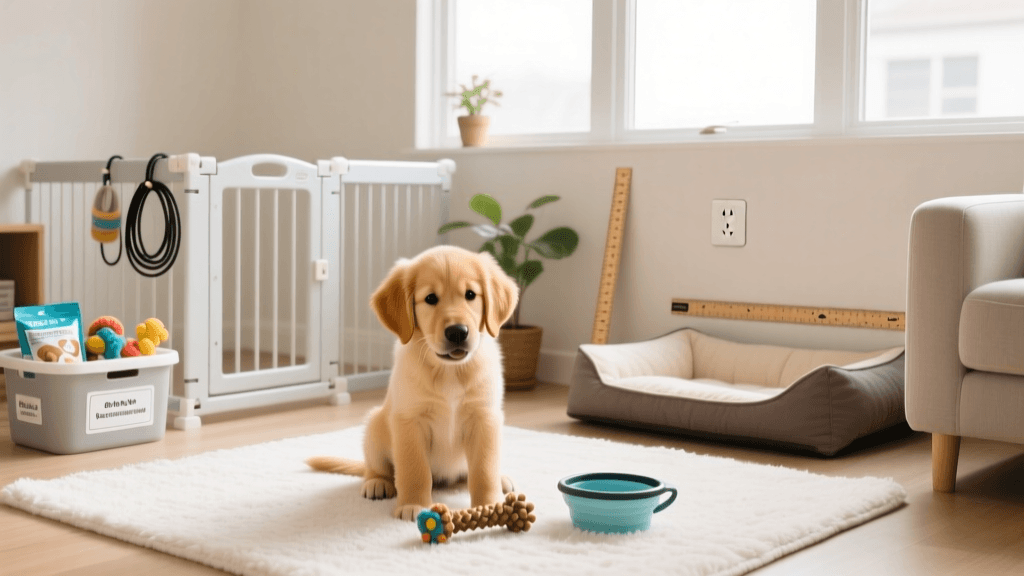
One of the most frequent mistakes new owners make is giving a newly adopted dog or puppy free roam of the entire house on day one. A new environment is incredibly overwhelming for a dog. Without a designated 'safe room,' dogs can become overstimulated, leading to destructive chewing, inappropriate elimination, and severe anxiety. Instead of opening every door, set up a decompression space. This should be a quiet, low-traffic room like a spare bedroom or a gated-off section of the living room. Equip this space with a 4x4-foot exercise pen (costing around $40 to $60), a comfortable washable bed, and fresh water. For anxious rescues or young puppies, investing in a Snuggle Puppy (approximately $40), which mimics a mother's heartbeat and includes a heat pack, can drastically reduce nighttime whining and separation distress during those crucial first few nights.
Mistake 2: Buying the Wrong Sized Crate and Gear
Crates are essential for house training and providing a secure den for your dog. However, buying a crate that is too large for a growing puppy or too small for an adult rescue is a common and frustrating error. If a crate is too large, a puppy will use one corner as a bathroom and the other for sleeping, completely undermining your potty training efforts. Always use a crate with an adjustable divider panel for puppies. Below is a quick reference chart to help you select the correct crate size based on your dog's estimated adult weight.
| Estimated Adult Weight | Ideal Crate Length | Recommended Product | Average Cost |
|---|---|---|---|
| 11 - 25 lbs | 24 inches | MidWest iCrate Single Door | $45 - $55 |
| 26 - 40 lbs | 30 inches | Frisco Double Door Crate | $60 - $75 |
| 41 - 70 lbs | 36 inches | MidWest iCrate Single Door | $75 - $90 |
| 71 - 90 lbs | 42 inches | ProSelect Empire Dog Crate | $150 - $200 |
Mistake 3: Overlooking Toxic Houseplants and Hidden Hazards
Puppy-proofing or dog-proofing goes far beyond putting away shoes and securing trash cans. Many new owners are entirely unaware of the common household plants and foods that are highly toxic to canines. According to the ASPCA's Animal Poison Control Center, popular houseplants like the Sago Palm, Aloe Vera, Pothos, and Peace Lilies can cause severe gastrointestinal distress, liver failure, or even death if ingested. Before your dog crosses the threshold, audit your home. Move all toxic plants to high, inaccessible shelves or rehome them entirely. Additionally, secure electrical cords with protective PVC tubing or cord concealers (about $15 for a multi-pack) to prevent fatal electrocution or expensive dental surgeries caused by chewing. Keep human medications, sugar-free gums containing xylitol, and chocolate locked in high cabinets.
Mistake 4: Forcing Socialization and Ignoring the 3-3-3 Rule
Well-meaning friends and family will want to meet your new dog immediately. Inviting a dozen people over on the first weekend or dragging a terrified rescue dog to a crowded farmer's market is a recipe for behavioral regression. Dogs need time to decompress. Experts widely recommend following the '3-3-3 Rule' for new adoptions, a concept heavily endorsed by behavioral specialists at Preventive Vet. The rule dictates: 3 days of feeling overwhelmed and scared, 3 weeks of learning your routine and showing their true personality, and 3 months to truly feel at home and build a bond. Respect this timeline. Limit visitors during the first week, keep walks short and quiet, and let the dog initiate contact on their own terms.
Mistake 5: Free-Feeding or Abrupt Diet Changes
Nutrition is foundational to your dog's health, but how you feed them in the first week matters just as much as what you feed them. 'Free-feeding' (leaving a bowl of kibble out all day) makes potty training incredibly difficult because you cannot predict when your dog will need to eliminate. Instead, establish scheduled mealtimes—typically twice a day for adults and three times a day for puppies under six months. Furthermore, abruptly switching your dog's food on day one will almost certainly result in diarrhea and vomiting. Ask the shelter or breeder for a small bag of the food the dog is currently eating. If you plan to transition to a higher-quality brand like Purina Pro Plan or Royal Canin, do so gradually over 7 to 10 days. Start with a mix of 75% old food and 25% new food, slowly adjusting the ratio to prevent severe gastrointestinal upset.
Mistake 6: Delaying the First Veterinary Visit and Microchip Registration
Waiting 'a few weeks' to schedule a vet visit is a dangerous and potentially costly mistake. You should schedule a wellness exam within 72 hours of bringing your dog home. This initial visit (typically costing $60 to $120 depending on your region) establishes a baseline of health, checks for parasites, and sets up a vaccination schedule. Crucially, if your dog is already microchipped, you must immediately update the registry with your personal contact information and address. A microchip is useless if it is still linked to the shelter or the breeder. The American Veterinary Medical Association (AVMA) emphasizes that microchips are the most reliable form of permanent identification, but they require active registration in a national database to facilitate a reunion if your dog slips out the front door.
Mistake 7: Waiting for an Emergency to Consider Pet Insurance
Many owners assume their new dog will be perfectly healthy and opt to skip pet insurance to save money. However, puppies are notorious for swallowing foreign objects, and rescues can have undisclosed genetic or chronic conditions. An emergency veterinary visit for an intestinal blockage surgery can easily cost between $2,500 and $6,000. Enrolling your dog in a comprehensive pet insurance plan like Trupanion or Healthy Paws within the first 14 days of ownership ensures that you are covered before any conditions can be classified as 'pre-existing' (which are universally excluded from coverage). Premiums are significantly cheaper when enrolled while the dog is young and healthy, often costing between $35 and $60 a month, providing invaluable peace of mind and protecting your finances from unexpected medical disasters.
Final Thoughts on a Smooth Transition
Bringing a new dog into your life is a long-term commitment that requires patience, preparation, and empathy. By avoiding these seven common mistakes—ranging from improper crate sizing and toxic hazards to ignoring the crucial decompression period—you set the stage for a harmonious relationship. Take a deep breath, stick to your routines, and give your new best friend the grace and time they need to adjust. The effort you invest in the first week will pay dividends in the form of a confident, well-adjusted, and deeply bonded companion for the next decade and beyond.
robin-maitland
All our authors care for dogs every day — read more of their work on the authors page.