Top Puppy Breeds for Beginners: First-Year Care Guide
Discover the best puppy breeds for first-time owners. Compare first-year care costs, training needs, and socialization milestones to find your perfect match.
Choosing the Right Puppy: A First-Year Care Guide for Beginners
Bringing a puppy home is one of life’s most rewarding experiences, but the first 365 days require immense dedication, patience, and strategic planning. According to the American Kennel Club (AKC), a puppy's first year is packed with rapid physical and cognitive milestones, from early socialization windows to intense teething phases. For first-time dog owners, selecting a breed that aligns with your lifestyle, budget, and time availability is the most critical decision you will make.
At Paws-Tales, we believe that successful puppy rearing starts before you even bring your furry friend home. This comprehensive guide compares the top puppy breeds for beginners through the lens of first-year care requirements, helping you make an informed, lifelong commitment.
The Reality of the First-Year Puppy Commitment
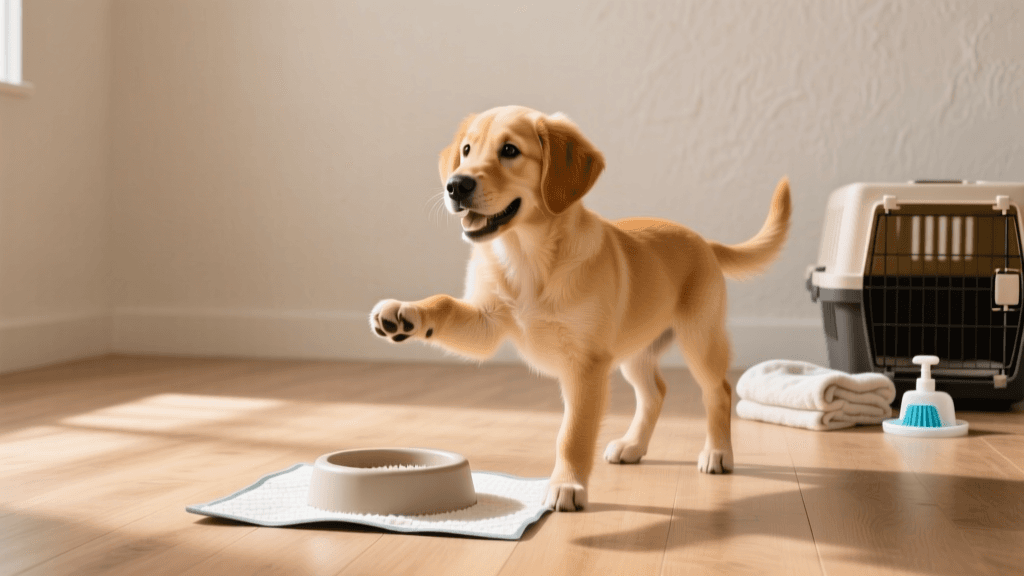
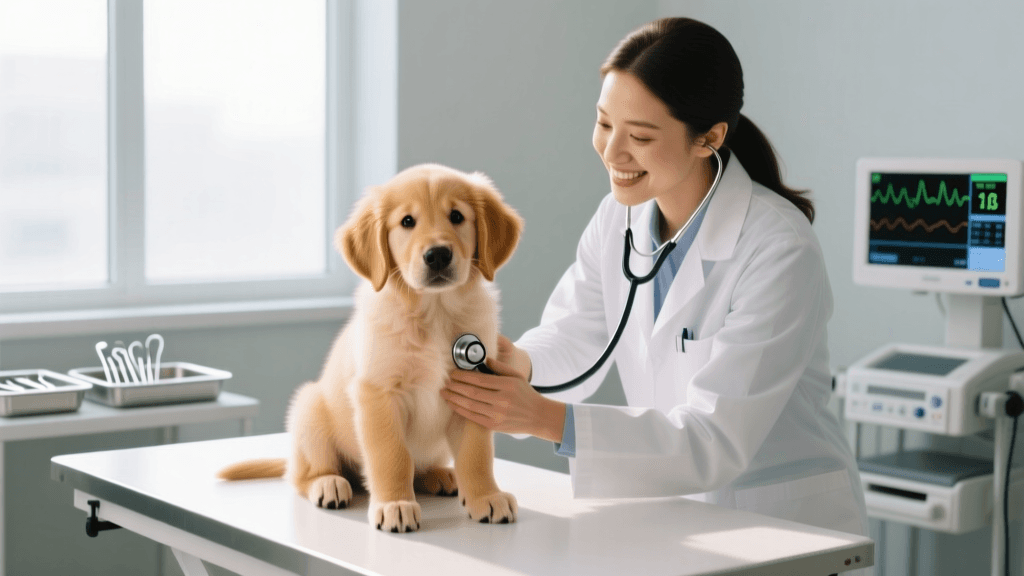
Before diving into specific breeds, it is essential to understand the baseline requirements of raising a puppy. The first year involves rigorous potty training, multiple veterinary visits for core vaccinations, chew-proofing your home, and navigating the dreaded teething phase.
Pro Tip: The most common reason puppies are surrendered to shelters within their first year is a mismatch between the owner's lifestyle expectations and the breed's actual care requirements. Researching breed-specific traits is your best defense against puppy burnout.
Top 5 Puppy Breeds for First-Time Owners
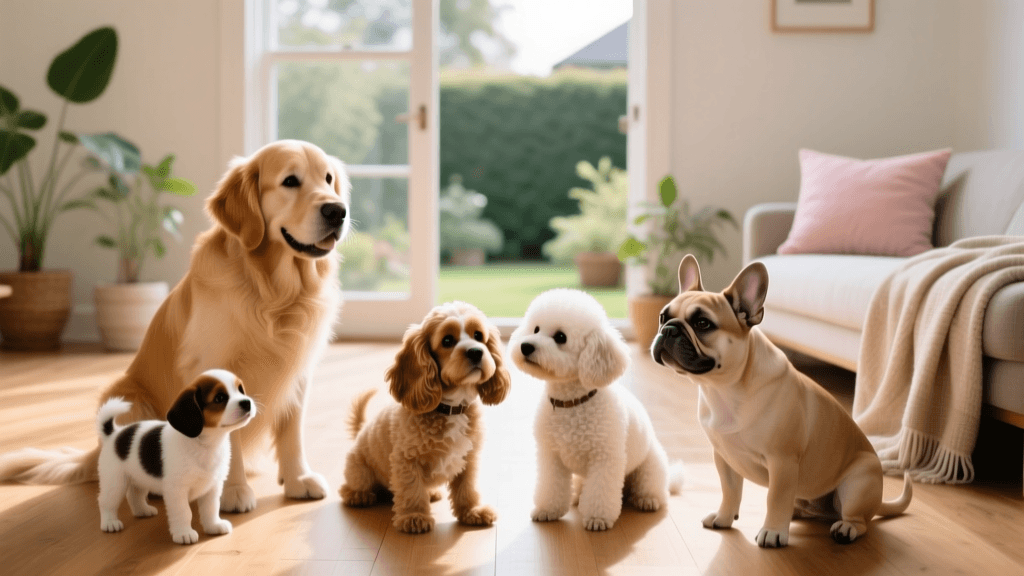
When evaluating breeds for beginners, we look for dogs that are highly biddable (eager to please), forgiving of training mistakes, and relatively straightforward to groom and maintain. Here are five exceptional breeds that thrive in first-time households.
1. Golden Retriever
Golden Retrievers are the quintessential family dog. They are highly intelligent, deeply empathetic, and respond beautifully to positive reinforcement training. During the first year, Goldens require substantial socialization and mental stimulation to prevent destructive chewing. They are prone to joint issues, so investing in a high-quality large-breed puppy food like Royal Canin Golden Retriever Puppy is crucial for controlled growth.
2. Cavalier King Charles Spaniel
If you live in an apartment or have a more relaxed lifestyle, the Cavalier is an outstanding choice. They are affectionate, adaptable, and generally easier to potty train than larger sporting breeds. However, their silky coats require brushing at least three times a week to prevent matting, and owners must be vigilant about early heart health screenings.
3. Bichon Frise
Known for their cheerful disposition and hypoallergenic coats, Bichons are fantastic for allergy sufferers. The trade-off is their grooming needs; expect to budget for professional grooming every 4 to 6 weeks. Bichons can be stubborn with potty training, so strict crate training from week one is non-negotiable.
4. Labrador Retriever
Labs are energetic, loyal, and incredibly food-motivated, which makes treat-based training highly effective. The first year with a Lab will test your patience, as their 'land shark' biting phase and high energy levels require rigorous daily exercise. A sturdy chew toy like the KONG Extreme Puppy is a must-have to save your furniture during teething.
5. Standard Poodle
Standard Poodles are brilliant, athletic, and highly trainable. While they require professional grooming, their lack of shedding makes home cleanup manageable. Poodles are sensitive dogs; they respond poorly to harsh corrections and thrive on structured, positive socialization during their critical 7-to-16-week developmental window.
First-Year Care Comparison Chart
To help you visualize the commitment required for these breeds, we have compiled a comparison chart detailing estimated first-year costs, training difficulty, and grooming demands. Note that costs are estimates and can vary based on your location and the specific health needs of your puppy.
| Breed | Est. First-Year Cost | Potty Training Difficulty | Grooming Needs | Daily Exercise (Adult) |
|---|---|---|---|---|
| Golden Retriever | $2,500 - $3,500 | Moderate | High (Weekly brushing) | 60+ minutes |
| Cavalier King Charles | $2,000 - $3,000 | Easy | Moderate (Brush 3x/week) | 30-45 minutes |
| Bichon Frise | $2,800 - $4,000 | Difficult | Very High (Pro grooming) | 30-45 minutes |
| Labrador Retriever | $2,200 - $3,200 | Moderate | Moderate (Sheds heavily) | 60-90 minutes |
| Standard Poodle | $2,800 - $4,200 | Easy | Very High (Pro grooming) | 60+ minutes |
Navigating Key First-Year Milestones
Regardless of the breed you choose, every puppy will pass through specific developmental stages. Understanding these milestones allows you to anticipate challenges and prepare accordingly.
The Socialization Window (7 to 16 Weeks)
The AKC emphasizes that the prime socialization period occurs between 7 and 16 weeks of age. During this time, puppies are most receptive to new experiences. You should aim to expose your puppy to various surfaces (grass, gravel, tile), sounds (vacuum cleaners, traffic), and people (children, individuals wearing hats). Keep these experiences positive and reward-heavy.
The Teething Phase (4 to 6 Months)
As baby teeth fall out and adult teeth emerge, puppies will chew relentlessly to soothe their aching gums. Provide a variety of textures, such as frozen carrots, chilled rubber teething rings, and durable nylon chews like the Nylabone Power Chew. Avoid hard antlers or cooked bones, which can fracture developing teeth.
Potty Training and Bladder Control
A general rule of thumb for bladder control is one hour per month of age. A two-month-old puppy can hold it for roughly two hours. Establish a strict schedule: take your puppy outside immediately upon waking, after every meal, after vigorous play, and right before bed. Use a high-value treat, like small pieces of boiled chicken, exclusively for successful outdoor elimination.
Budgeting for Your Puppy's First Year
Financial preparedness is a cornerstone of responsible puppy ownership. According to the ASPCA's pet care cost guidelines, the initial year of dog ownership is significantly more expensive than subsequent years due to startup costs and foundational veterinary care.
- Veterinary Care ($500 - $900): Includes initial exams, core vaccinations (DHPP, Rabies), deworming, flea/tick prevention, and spay/neuter surgery.
- Nutrition ($400 - $800): High-quality puppy food is vital for bone and brain development. Transition to adult food only when your vet recommends it (usually around 12 months for medium breeds, and up to 18-24 months for giant breeds).
- Supplies and Gear ($300 - $600): Includes an appropriately sized wire crate (with a divider panel to grow with your puppy), stainless steel bowls, a 6-foot leather or biothane leash, a well-fitted harness, and an enzymatic cleaner like Nature's Miracle for accidents.
- Training and Socialization ($150 - $300): Enrolling in a positive-reinforcement puppy kindergarten class is highly recommended to build foundational obedience and bite inhibition.
Actionable Advice for a Smooth Transition
To set your new puppy up for success from day one, implement the following strategies:
- Establish a 'Safe Zone': Set up an exercise pen (x-pen) connected to your puppy's crate. This provides a secure area for them to relax and play when you cannot provide direct supervision, drastically reducing the chances of destructive chewing or indoor accidents.
- Implement the 'Two-Toy Rule': During the teething phase, keep only two chew toys available at a time and rotate them weekly. This keeps the toys novel and interesting, preventing your puppy from seeking out forbidden items like shoes or furniture legs.
- Feed on a Schedule: Free-feeding makes potty training incredibly difficult. Feed your puppy three measured meals a day until they are six months old, then transition to two meals a day. Remove the food bowl after 15-20 minutes to encourage a consistent eating routine.
- Enforce Nap Times: Puppies need 18 to 20 hours of sleep per day. An overtired puppy will exhibit signs of stress, hyperactivity, and excessive biting. If your puppy turns into a 'land shark,' it is usually a sign they need to be placed in their crate for a forced nap.
Conclusion: Matching Your Lifestyle to Your Puppy
Selecting the right puppy breed is not just about picking the cutest face; it is about honestly assessing your daily routine, financial flexibility, and long-term goals. A Golden Retriever might be the perfect companion for an active family with a fenced yard, while a Cavalier King Charles Spaniel may be the ideal match for a work-from-home professional in a quiet apartment.
By understanding the specific first-year care requirements—from intensive socialization and teething management to the financial realities of veterinary care—you are laying the groundwork for a harmonious, lifelong bond. Welcome to the beautiful, chaotic, and deeply rewarding journey of puppy parenthood.
beth-carrasco
All our authors care for dogs every day — read more of their work on the authors page.