Puppy Potty Training: Crate vs Bell vs Pad Compared
Compare crate, bell, and pad potty training methods for puppies. Discover pros, cons, costs, and timelines to choose the best fit for your new dog.

The Ultimate Puppy Potty Training Showdown
Bringing a new puppy home is an exhilarating experience, but the honeymoon phase quickly meets the reality of potty training. According to the ASPCA, house training is one of the most common challenges new dog owners face, requiring immense patience, unwavering consistency, and a solid strategic plan. While the end goal is always a clean home and a well-adjusted dog, the path to get there varies wildly depending on your lifestyle, living situation, and your puppy's unique temperament.
In this comprehensive side-by-side comparison, we will break down the three most popular potty training methods: Crate Training, Bell Training, and Puppy Pad Training. We will examine the financial costs, expected timelines, distinct pros, and frustrating cons of each to help you make an informed, practical decision for your furry friend's first year of life.
Method 1: Crate Training (The Den Instinct)
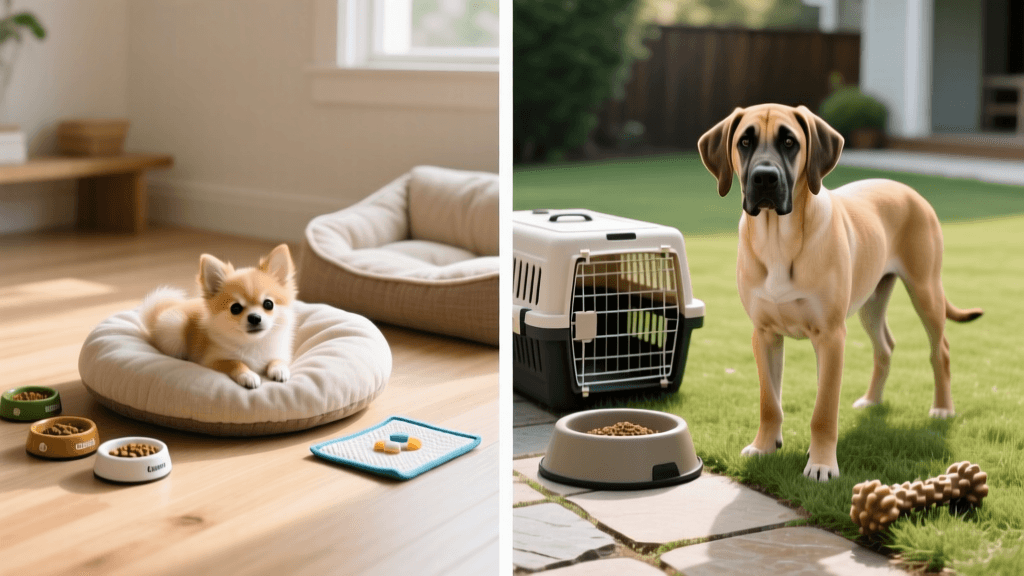
Crate training leverages a dog's natural instinct to avoid soiling their sleeping area. By providing a properly sized crate, you create a safe den for your puppy while simultaneously teaching them bladder control. The Humane Society of the United States highly recommends crate training not just for housebreaking, but for overall safety and anxiety reduction when the puppy is unsupervised.
How It Works
You place the puppy in the crate when you cannot actively supervise them. Because dogs naturally avoid eliminating where they sleep, the puppy will hold their bladder until you let them out. The moment the crate door opens, you immediately carry or walk them outside to their designated potty spot, reward them heavily with high-value treats (like Zuke's Mini Naturals), and offer verbal praise.
Costs and Timeline
- Initial Cost: $50 to $150 for a high-quality, adjustable wire or plastic crate with a divider panel.
- Ongoing Cost: Minimal. Occasional replacement of bedding or crate mats ($20-$40).
- Timeline to Reliability: 4 to 8 weeks of strict scheduling. Puppies can generally hold their bladder for one hour per month of age (e.g., a 2-month-old puppy needs a potty break every 2 hours).
Pros and Cons
Pros: Prevents destructive chewing when unsupervised; aids in travel safety; builds strong bladder control; keeps the puppy out of household hazards.
Cons: Requires strict adherence to a schedule; puppies may cry or whine during the first few nights; not suitable for owners who work long hours away from home without a dog walker.
Method 2: Bell Training (Canine Communication)
Bell training shifts the communication burden from the owner to the puppy. Instead of the owner guessing when the puppy needs to go out, the puppy learns to ring a bell hung on the door handle to signal their need to eliminate.
How It Works
You hang a set of potty bells (usually a strap with small jingle bells) on the inside handle of the door you use for potty breaks. Every time you take the puppy outside, you guide their nose or paw to tap the bell before opening the door. Over time, the puppy associates the sound of the bell and the physical action with the door opening and the opportunity to relieve themselves.
Costs and Timeline
- Initial Cost: $10 to $25 for a durable, pet-safe door bell strap.
- Ongoing Cost: $0, unless the puppy chews and destroys the strap, requiring a replacement.
- Timeline to Reliability: 2 to 4 weeks for the puppy to learn to ring the bell on command, but full reliability without accidents indoors still depends on a consistent outdoor schedule for the first few months.
Pros and Cons
Pros: Empowers the puppy to communicate; excellent for older puppies or adult dogs; reduces the guesswork for owners.
Cons: Puppies may ring the bell to go outside to play, not just to potty, leading to "bell abuse"; requires the owner to be home and within earshot to hear the bell; not viable for apartment dwellers who share exterior hallways.
Method 3: Puppy Pad Training (The Indoor Solution)
Puppy pad training teaches the dog to eliminate indoors on a designated absorbent surface. This method is highly controversial among traditional trainers but remains a practical necessity for certain demographics, such as high-rise apartment dwellers, individuals with mobility issues, or those living in areas with extreme, prolonged winter weather.
How It Works
You designate a specific, easily accessible indoor area (like a bathroom or laundry room) and cover it with disposable or washable pee pads. You guide the puppy to the pad after meals, naps, and play sessions, rewarding them when they eliminate on it. The American Kennel Club notes that while pad training is effective for indoor relief, it can sometimes confuse puppies about where it is acceptable to eliminate, as pads feel similar to rugs or carpets.
Costs and Timeline
- Initial Cost: $20 to $40 for a starter box of pads and a plastic pad holder tray to prevent slipping.
- Ongoing Cost: $20 to $50 per month on disposable pads, or a one-time $30-$60 investment in washable, reusable fabric pads.
- Timeline to Reliability: 2 to 4 weeks to reliably use the pad, but transitioning the dog to go outside later can take an additional 4 to 8 weeks of retraining.
Pros and Cons
Pros: Ideal for high-rise living; convenient for elderly or disabled owners; provides a safe potty option during extreme weather or illness.
Cons: Teaches the dog that eliminating indoors is acceptable; ongoing financial cost; can lead to accidents on similar textured household items like bath mats and area rugs; requires daily cleaning to prevent odor.
Side-by-Side Comparison Chart
| Feature | Crate Training | Bell Training | Pad Training |
|---|---|---|---|
| Best Suited For | Most households, working owners with walkers | Owners home often, single-family homes | High-rise apartments, mobility-impaired owners |
| Initial Cost | $50 - $150 | $10 - $25 | $20 - $40 |
| Ongoing Cost | Low | None | Moderate (Monthly pad purchases) |
| Time to Reliability | 4 - 8 Weeks | 2 - 4 Weeks (to learn the bell) | 2 - 4 Weeks (but outdoor transition takes longer) |
| Primary Benefit | Builds bladder control & ensures safety | Clear canine-to-human communication | Indoor convenience & weather protection |
| Biggest Drawback | Requires rigid scheduling & supervision | Puppies may ring bells just to play outside | Risk of confusing pads with household rugs |
How to Choose the Right Method for Your Lifestyle
Selecting the correct potty training method requires an honest assessment of your daily routine. If you work from home or have a flexible schedule that allows you to take the puppy outside every two hours, Bell Training combined with outdoor trips is a fantastic way to build communication. However, you must be prepared to ignore "play bells" and only reward elimination.
If you are away from the home for standard work hours but have a dog walker or neighbor who can provide midday breaks, Crate Training is the gold standard. It protects your home from puppy teeth and teaches the dog to hold it. Ensure your crate is properly sized; if it is too large, the puppy will eliminate in one corner and sleep in the other, defeating the purpose of the den instinct.
If you live on the 15th floor of an apartment building, or suffer from severe mobility issues that make rushing outside difficult, Pad Training is a pragmatic choice. To mitigate the risk of the puppy confusing your expensive Persian rug with a pee pad, always use a distinctly colored, raised plastic tray to hold the pad, creating a clear physical and visual boundary.
Expert Tips for Potty Training Success
Regardless of the method you choose, the underlying principles of canine learning remain the same. Keep these actionable tips in mind during your puppy's first year:
- Use Enzymatic Cleaners: Never use ammonia-based cleaners for indoor accidents. Ammonia smells like urine to a dog and will encourage them to re-soil the area. Instead, invest in a high-quality enzymatic cleaner like Nature's Miracle or Rocco & Roxie, which breaks down the uric acid crystals at a molecular level.
- Implement a Feeding Schedule: Free-feeding leads to unpredictable bowel movements. Feed your puppy measured meals at the exact same times every day (e.g., 7:00 AM, 12:00 PM, and 5:00 PM). Puppies typically need to eliminate 15 to 30 minutes after eating.
- Throw a Potty Party: When your puppy successfully eliminates in the correct spot, praise them enthusiastically and offer a high-value treat immediately. The reward must occur within 3 seconds of the action so the puppy connects the behavior to the reward.
- Interrupt, Don't Punish: If you catch your puppy in the act of having an accident indoors, clap your hands loudly to interrupt them, immediately scoop them up, and carry them outside to finish. Never rub a puppy's nose in their mess or yell at them after the fact; dogs do not possess the cognitive ability to connect delayed punishment with a past action, and it will only teach them to hide from you when they need to go.
Potty training is a marathon, not a sprint. By choosing the method that aligns with your living situation and sticking to a consistent, positive routine, you and your puppy will cross the finish line to a clean, happy home.
hannah-wickes
All our authors care for dogs every day — read more of their work on the authors page.