Science of Puppy Socialization: Brain Development Guide
Discover the science behind puppy socialization. Learn how brain development dictates the critical window and get a data-backed timeline for success.
The Neurological Basis of Puppy Socialization
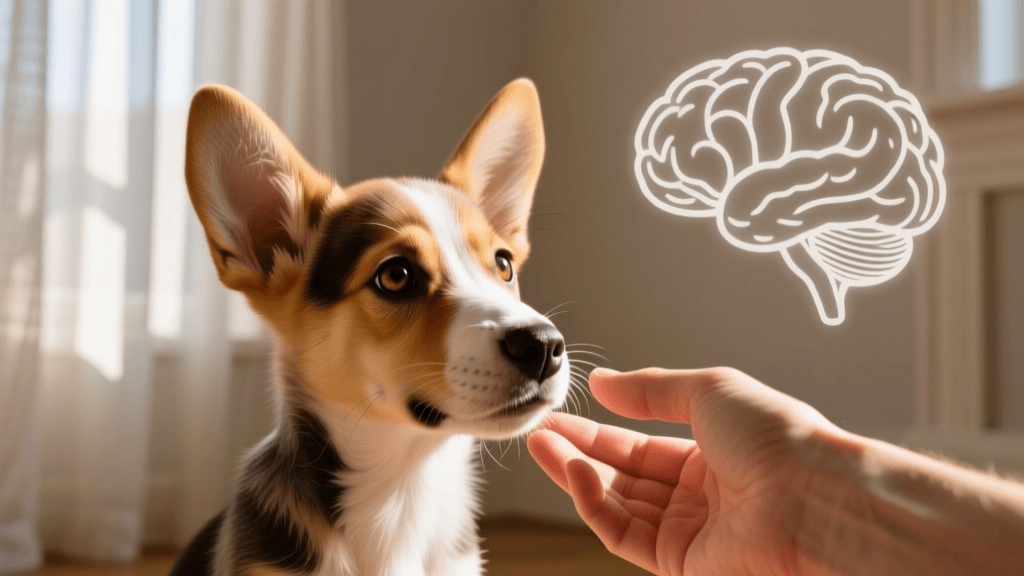
Welcome to the fascinating intersection of canine neuroscience and early puppy care. When you bring a new puppy home, you are not merely adopting a pet; you are actively participating in the critical neurological development of a complex mammal. The first year of a dog’s life, and specifically the first sixteen weeks, represents a period of unprecedented neuroplasticity. During this time, the brain is highly receptive to environmental stimuli, forming neural pathways that will dictate the dog’s behavioral responses, emotional regulation, and stress thresholds for the rest of its life.
At the core of this developmental process is the amygdala, the brain’s fear and threat-detection center, and the prefrontal cortex, which is responsible for impulse control and emotional regulation. In young puppies, the myelin sheaths—the protective coatings around nerve fibers that speed up electrical impulses—are still forming. Because the neural pathways associated with fear and reactivity are not yet fully myelinated, puppies in their early weeks are naturally more curious than fearful. This biological mechanism is an evolutionary advantage, allowing young canids to explore their environment, learn what is safe, and integrate into their social group without being paralyzed by fear.
However, this window does not stay open indefinitely. As the puppy approaches the 12-to-14-week mark, the brain undergoes a developmental shift. The fear response becomes more pronounced, and the window for effortless socialization begins to close. This is why the American Veterinary Society of Animal Behavior (AVSAB) strongly emphasizes that the primary socialization period occurs between 3 and 14 weeks of age. Missing this window can result in a dog that is neurologically primed to perceive novel stimuli as threats, leading to lifelong behavioral challenges such as fear-based aggression, severe anxiety, and noise phobias.
The Critical Window: A Week-by-Week Timeline
Understanding the biological timeline of your puppy’s brain development allows you to tailor your socialization efforts to their current cognitive capabilities. Below is a structured, science-backed timeline detailing the neurological stage and the corresponding actionable tasks you should undertake.
| Age (Weeks) | Brain Development Stage | Actionable Socialization Task |
|---|---|---|
| 3 - 5 Weeks | Sensory Mapping: Rapid development of auditory and visual processing. Puppies begin to form basic associations with littermates and humans. | Introduce novel textures (e.g., bubble wrap, grates, wet grass) and varied household sounds at a low volume. Handle paws, ears, and mouth daily to build tactile tolerance. |
| 6 - 8 Weeks | Fear Period Onset: The amygdala becomes more active. Puppies may startle easily and form strong negative associations if traumatized. | Utilize classical conditioning. Pair every novel or slightly scary stimulus (e.g., a person wearing a hat, a loud truck) with high-value food rewards to build positive neural pathways. |
| 9 - 12 Weeks | Peak Socialization: The brain is highly plastic and eager to categorize environmental stimuli as "safe" or "normal." | Maximize environmental enrichment. Expose the puppy to diverse demographics of people (children, tall individuals, people in wheelchairs) and various surfaces. Keep sessions under 15 minutes to prevent cortisol overload. |
| 13 - 16 Weeks | Fear Impact Period: The brain begins to prioritize survival and threat detection. Negative experiences during this time can cause lasting trauma. | Shift from broad exposure to targeted desensitization and counter-conditioning. Respect the puppy’s boundaries; do not force interactions. Allow the puppy to initiate contact with novel stimuli. |
Science-Backed Methods for Safe Exposure
Effective socialization is not simply about exposing your puppy to as many things as possible; it is about ensuring the puppy has a positive emotional response to those exposures. This is where the science of classical and operant conditioning comes into play. Flooding—forcing a puppy to endure a scary situation until they "get over it"—is a debunked and harmful practice that actually strengthens the neural pathways associated with fear and learned helplessness.
Instead, utilize the "Look at That" (LAT) game, a technique rooted in classical counter-conditioning. When your puppy notices a novel or mildly concerning stimulus (like a loud garbage truck or a stranger with an umbrella), immediately mark the behavior with a clicker or a verbal "yes" and provide a high-value treat. This rewires the brain to associate the trigger with a positive outcome, effectively changing the amygdala’s response from "threat" to "predictor of good things."
To execute this effectively, you need the right tools and rewards. Standard kibble is rarely sufficient for high-distraction environments. Opt for high-value, low-calorie training treats like Zuke’s Mini Naturals (which cost approximately $6 to $8 for a 16oz bag and contain fewer than 3 calories per treat). Break them into pea-sized pieces to maintain the puppy’s interest without causing gastrointestinal upset or rapid weight gain. Pair this with a high-quality treat pouch that allows for rapid dispensing, such as the Ruffwear Treat Trader (retailing around $25), which features a magnetic closure for instant access, ensuring the treat is delivered within the optimal one-second window required for the canine brain to form the association.
Mitigating Disease Risk vs. Behavioral Risk
One of the most common dilemmas faced by new puppy owners is the conflict between veterinary advice to keep the puppy isolated until fully vaccinated and behavioral advice to socialize the puppy immediately. Canine parvovirus is a highly contagious and potentially fatal gastrointestinal disease that disproportionately affects puppies between 6 weeks and 6 months of age. However, the behavioral risk of under-socialization is equally severe; dogs surrendered to shelters are most frequently relinquished for behavioral issues that stem from inadequate early socialization.
Fortunately, science provides a clear path forward. A landmark study published in the Journal of the American Animal Hospital Association and indexed on the National Center for Biotechnology Information (NCBI) evaluated the risk of parvovirus infection in puppies attending socialization classes. The data revealed that puppies who had received at least one parvovirus vaccine and attended structured, well-managed socialization classes were no more likely to contract the virus than puppies who were kept entirely isolated at home.
To safely socialize your puppy before their 16-week vaccination series is complete, avoid high-risk areas like public dog parks, pet store floors, and rest stops. Instead, leverage controlled environments. Platforms like Sniffspot (a subscription service costing roughly $10 to $15 per month) allow you to rent private, fenced yards from other dog owners. Because these spaces are private and often sanitized by time and UV light between visits, they provide a biologically safe environment for your puppy to explore novel scents, navigate uneven terrain, and build confidence without the risk of exposure to unvaccinated canine waste.
Tracking Your Puppy’s Stress Signals and Cortisol Levels
From a neuroendocrine perspective, stress is measured by the release of cortisol from the adrenal glands. When a puppy encounters a stressor, the hypothalamic-pituitary-adrenal (HPA) axis is activated, flooding the body with cortisol and adrenaline to prepare for a "fight or flight" response. While short bursts of cortisol are normal and necessary for learning, chronic or overwhelming stress can lead to "trigger stacking," where cortisol levels remain elevated, lowering the puppy’s threshold for reactivity and impairing their ability to form new, positive memories.
Research indicates that after a highly stressful event, it can take up to 72 hours for a dog’s cortisol levels to return to a true physiological baseline. Therefore, it is imperative to recognize the subtle, early signs of stress—often referred to as "calming signals"—before the puppy escalates to overt fear behaviors like barking, lunging, or freezing.
- Lip Licking and Yawning: When not associated with food or tiredness, these are primary indicators of cognitive dissonance and mild stress.
- Whale Eye: When the puppy turns its head away but keeps its eyes fixed on the stimulus, showing the whites of the eyes, indicating high anxiety and a potential bite risk.
- Displacement Behaviors: Sudden scratching, sniffing the ground intensely, or shaking off (as if wet) are mechanisms the brain uses to physically discharge nervous energy.
If you observe these signals, the most scientifically sound response is to increase the distance between your puppy and the stressor. Do not attempt to lure the puppy closer with treats, as this can create an approach-avoidance conflict that heightens anxiety. Instead, retreat to a distance where the puppy’s body language softens, their breathing slows, and they are once again capable of accepting food rewards. This respects the biological limits of their developing nervous system and builds a foundation of trust.
Conclusion: Building a Resilient Canine Brain
The first year of your puppy’s life is a profound period of neurological construction. By understanding the science behind brain development, the critical socialization window, and the physiological impacts of stress, you can transition from simply "raising a dog" to actively shaping a resilient, confident, and behaviorally sound companion. Utilize high-value rewards, prioritize controlled environments like private yards and structured classes, and always let your puppy’s body language guide the pace of your training. For further reading on evidence-based behavioral development, consult the resources provided by the American Kennel Club (AKC) and your veterinary behaviorist.
priya-sutaria
All our authors care for dogs every day — read more of their work on the authors page.