The Ultimate Puppy Teething Survival Guide: 3 to 6 Months
Navigate the 3 to 6 month puppy teething stage with our expert survival guide. Learn bite inhibition, best chew toys, and pain relief tips.
Understanding the 3 to 6 Month Teething Life Stage
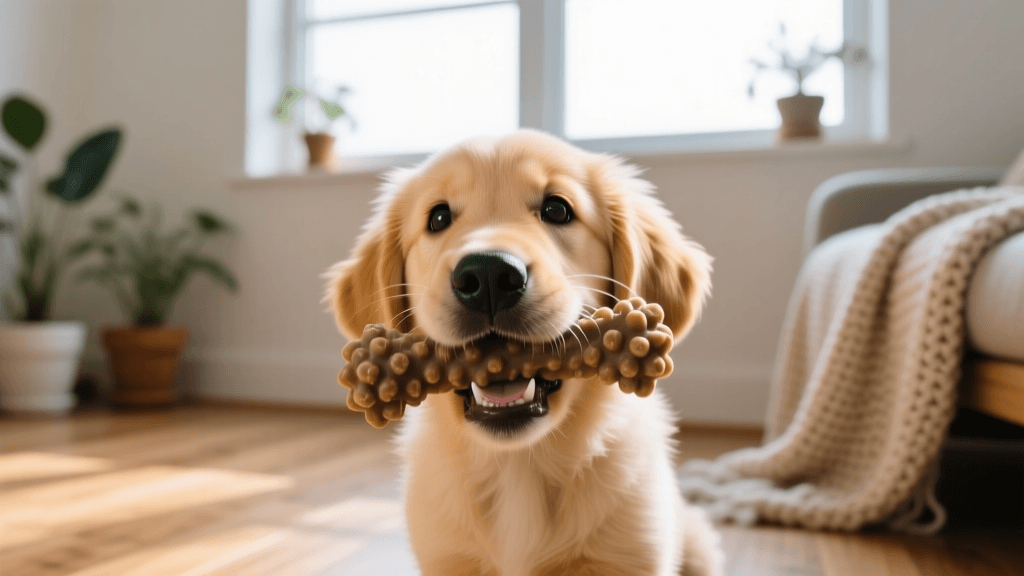
Bringing a new puppy into your home is an experience filled with joy, cuddles, and unforgettable milestones. However, as your puppy transitions from the fragile neonatal phase into the active 3 to 6 month life stage, you will inevitably encounter one of the most challenging periods of early dog ownership: the teething phase. Often referred to by exasperated pet parents as the "land shark" stage, this developmental window is characterized by intense chewing, relentless mouthing, and a seemingly insatiable desire to gnaw on everything from expensive leather shoes to your favorite baseboards.
During this specific life stage, your puppy is not misbehaving out of spite. Instead, they are navigating a profound biological and developmental milestone. The discomfort of adult teeth pushing through sensitive gums drives their need to chew, while their natural instinct to explore the world with their mouths peaks. Understanding the physiological drivers behind this behavior is the first step toward managing it effectively. In this comprehensive life stage care guide, we will break down the biology of puppy teething, provide actionable bite inhibition training techniques, recommend specific pain-relief products with estimated costs, and outline exactly how to puppy-proof your home to survive the 3 to 6 month window with your sanity—and your furniture—intact.
The Biological Timeline of Puppy Teeth
To effectively manage your puppy's chewing habits, it is crucial to understand the underlying dental development occurring beneath the surface. Puppies are born entirely toothless, relying on their mother's milk for sustenance. According to veterinary guidelines published by the American Kennel Club (AKC), the first deciduous teeth, commonly known as baby teeth, begin to erupt through the gums when the puppy is just two to four weeks old. By the time your puppy reaches six to eight weeks of age, they will have a full set of 28 sharp, needle-like baby teeth.
As your puppy enters the 3 to 6 month life stage, a dramatic shift occurs. The roots of the baby teeth begin to resorb, making way for the permanent adult teeth pushing down from the jawline. This process is highly uncomfortable, causing gum inflammation, mild bleeding, and a strong urge to chew on hard or cold objects to alleviate the pressure. By the time your puppy reaches six to seven months of age, they should have a complete set of 42 permanent adult teeth. Monitoring this transition is a vital part of life stage care, as retained baby teeth can lead to severe orthodontic issues later in life.
Puppy Teething and Development Chart
| Age Range | Dental Milestone | Recommended Owner Action |
|---|---|---|
| 2 - 4 Weeks | Baby teeth (incisors and canines) begin to erupt. | Allow the mother to manage weaning and early bite feedback. |
| 5 - 8 Weeks | Full set of 28 baby teeth is present. | Introduce soft, pliable puppy-specific chew toys. |
| 12 - 16 Weeks | Baby teeth begin falling out; adult incisors emerge. | Begin active bite inhibition training and offer frozen soothers. |
| 4 - 6 Months | Adult canines and premolars erupt; peak chewing urge. | Provide durable rubber toys and strictly puppy-proof the home. |
| 6 - 7 Months | All 42 adult teeth should be fully in place. | Schedule a veterinary dental check to ensure no retained teeth. |
Mastering Bite Inhibition During the Teething Stage
Teething is inextricably linked to early socialization and behavioral development. While the physical act of chewing soothes sore gums, the act of "mouthing" or play-biting is how puppies interact with their environment and littermates. The 3 to 6 month window is the absolute critical period for teaching bite inhibition—the ability of a dog to control the force of their jaw pressure. The Humane Society of the United States emphasizes that puppies who do not learn bite inhibition during this life stage are at a much higher risk of developing problematic aggression or causing accidental injury as adults.
Step 1: The Redirection Method
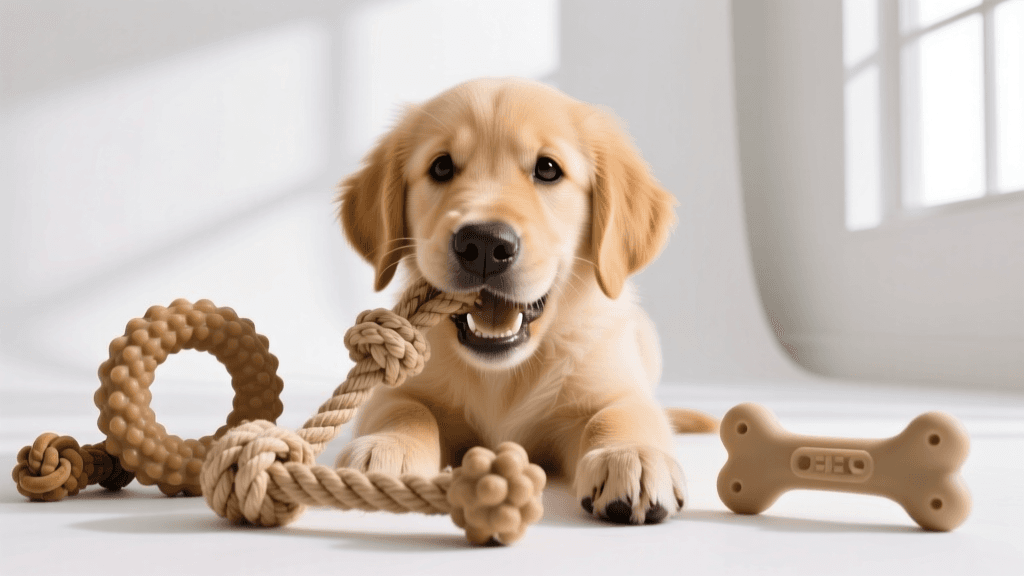
Never use your bare hands to wrestle or play with a teething puppy. If your puppy's teeth make contact with your skin, immediately cease all movement and withdraw your attention. Keep a designated chew toy, such as a braided cotton rope, within arm's reach at all times. The moment the puppy releases your skin, offer the rope toy and praise them enthusiastically when they bite the toy instead. This teaches the puppy that human skin is entirely off-limits, while appropriate toys yield positive engagement and rewards.
Step 2: The "Ouch" and Time-Out Technique
If redirection fails and the puppy continues to bite hard, mimic the feedback of a littermate. When you feel a hard nip, let out a high-pitched "Ouch!" or yelp, and immediately stand up and turn your back for 10 to 15 seconds. This brief time-out removes the reward of your attention. If the puppy settles down, calmly return and resume play. If the puppy becomes overly aroused and continues to attack your ankles or clothing, place them in a safe, puppy-proofed playpen for a two-minute "cool down" period. Consistency from every member of the household is mandatory for this life stage training to succeed.
Top Chew Toys and Pain Relief Remedies
Providing appropriate, soothing outlets for your puppy's chewing urge is non-negotiable during the 3 to 6 month stage. Investing in high-quality pain relief tools will save your furniture and keep your puppy comfortable. Here are specific, actionable product recommendations:
- KONG Classic Puppy (Red Rubber): Priced between $12 and $15, this is a life stage essential. The red rubber is specifically formulated to be softer than the adult version, protecting developing teeth while still being durable. Actionable Tip: Plug the small hole with a dab of dog-safe peanut butter (ensure it is xylitol-free), fill the cavity with plain, unsweetened Greek yogurt, and freeze it solid for four hours. The cold temperature numbs inflamed gums, while the licking action releases soothing endorphins.
- Nylabone Puppy Power Chew: Costing around $8, these textured nylon chews feature raised bristles that act like a toothbrush, helping to clean teeth and massage sore gums as the puppy gnaws. Always select the correct size based on your puppy's current weight to prevent choking hazards.
- Frozen Whole Carrots: A highly cost-effective (under $2 per bag) and natural alternative to commercial treats. Large, whole carrots are too big to be a choking hazard and provide excellent resistance for teething jaws. Supervise your puppy and discard the carrot once it is chewed down to a swallowable piece.
- Chilled Damp Washcloths: For puppies under 15 pounds who struggle with larger toys, dampen a clean cotton washcloth, wring it out completely, twist it into a tight rope, and freeze it. The icy fabric provides immense relief for swollen gums. Never leave a puppy unattended with a cloth to prevent ingestion of fabric threads.
Puppy-Proofing Your Home for a Teething Puppy
A teething puppy explores the world much like a human toddler, but with the added capability of destroying hard plastics and wood. To protect both your belongings and your puppy's health, you must rigorously puppy-proof your environment during this life stage. Begin by securing all electrical cords behind heavy furniture or inside flexible, bite-proof cable management sleeves (available at hardware stores for roughly $15). Puppies are highly attracted to the texture of rubber cords, and a bite can result in fatal electrocution or severe oral burns.
Next, evaluate your home at the puppy's eye level. Remove toxic houseplants such as lilies, sago palms, and pothos from lower shelves. If your puppy has developed a taste for wooden baseboards or table legs, apply a bitter-tasting deterrent spray. Grannick's Bitter Apple Spray (approximately $12 for an 8oz bottle) is a highly effective, non-toxic option. Spray a light coating on the offending furniture legs every 24 hours for a week. The overwhelmingly bitter taste creates a negative association, effectively training the puppy to avoid those specific areas and seek out their designated KONG toy instead.
When to Consult Your Veterinarian
While mild bleeding on chew toys and a slight decrease in appetite are normal symptoms of the teething life stage, certain complications require professional veterinary intervention. The ASPCA advises owners to monitor for "retained deciduous teeth." This occurs when an adult tooth erupts, but the baby tooth fails to fall out, resulting in two teeth occupying the same space. This double-tooth condition can trap food, cause severe periodontal disease, and permanently misalign the puppy's bite. If you notice a retained baby tooth alongside a fully erupted adult tooth after 6 months of age, schedule a veterinary dental extraction.
Additionally, contact your vet if your puppy exhibits signs of systemic illness, such as a fever, severe lethargy, pus around the gumline, or a complete refusal to eat for more than 24 hours. Teething causes localized discomfort, but it should never make a puppy systemically sick.
Conclusion
The 3 to 6 month teething life stage is undeniably demanding, testing the patience of even the most dedicated dog owners. However, by understanding the biological timeline, enforcing consistent bite inhibition rules, providing targeted cold-therapy chew toys, and rigorously puppy-proofing your home, you can guide your puppy through this developmental milestone successfully. Remember, this phase is temporary. With proactive management and compassionate guidance, your "land shark" will soon mature into a well-mannered, comfortable, and happy adult dog with a healthy set of permanent teeth.
hannah-wickes
All our authors care for dogs every day — read more of their work on the authors page.