Puppy Potty Regression: Diagnosis and Proven Solutions
Is your puppy suddenly having accidents indoors? Discover the root causes of potty training regression and actionable solutions to stop the mess.
Understanding Puppy Potty Training Regression
You have spent weeks diligently taking your puppy outside, rewarding them for going potty, and finally, you thought you had crossed the finish line. Then, out of nowhere, you find a puddle on your living room rug. Potty training regression is one of the most frustrating challenges a dog owner can face, but it is incredibly common. According to the VCA Animal Hospitals, regression does not mean your puppy has forgotten their training or is acting out of spite. Instead, it is usually a symptom of an underlying medical issue, a developmental milestone, or an environmental stressor. To solve the problem, we must first accurately diagnose the root cause before implementing targeted solutions.
Diagnosing the Root Cause of Puppy Accidents
Before you assume your puppy is simply being stubborn, you must rule out physiological and environmental triggers. Puppies lack the cognitive ability to plot revenge or act out of malice; their accidents are almost always driven by biology or stress.
1. Medical Issues and Infections
The most critical first step in diagnosing potty regression is ruling out medical conditions. Urinary Tract Infections (UTIs) are notoriously common in puppies and cause a sudden, uncontrollable urge to urinate. According to the American Kennel Club (AKC), symptoms of a UTI include frequent attempts to urinate, straining, crying out while going, and licking the genital area excessively. Other medical culprits include intestinal parasites (which cause sudden diarrhea or urgency), gastrointestinal upset from dietary indiscretion, or even early-onset conditions like canine diabetes. A standard veterinary wellness exam and urinalysis typically cost between $50 and $150, a small price to pay to rule out painful infections.
2. Environmental and Routine Changes
Dogs are creatures of habit. If your household has recently undergone a change, your puppy may be experiencing stress-induced regression. Common triggers include moving to a new home, the arrival of a new baby or pet, a change in the owner's work schedule, or even rearranging the furniture. Stress increases cortisol levels, which can lead to increased water consumption and subsequent accidents, or a breakdown in the puppy's confidence to signal they need to go outside.
3. Teething and Developmental Leaps
Between the ages of four and six months, puppies lose their baby teeth and their adult teeth come in. This teething phase causes significant physical discomfort and mental distraction. A puppy that is hyper-focused on their aching gums may simply ignore the subtle physical cues that their bladder is full until it is too late. Furthermore, puppies go through fear periods (often around 8-10 weeks and again around 6-14 months) where previously benign outdoor stimuli—like a loud truck or a flapping flag—might terrify them, causing them to refuse to potty outside and hold it until they are back in the safety of their home.
Actionable Solutions to Stop Indoor Accidents
Once you have identified the potential cause, it is time to implement a strict, actionable protocol to get your puppy back on track. Treat this phase as if you are starting potty training from day one.
Re-establishing the Potty Schedule
Go back to basics. Utilize the 'Month Plus One' rule to determine your puppy's maximum bladder capacity. A puppy can generally hold their bladder for one hour per month of age, plus one. For example, a three-month-old puppy can hold it for roughly four hours. However, during a regression, you should cut this time in half. Take your three-month-old outside every two hours, immediately after waking up, after every meal, and after vigorous play sessions. Use a high-value treat (like freeze-dried liver or small pieces of boiled chicken) exclusively for outdoor potty success to rebuild positive reinforcement.
Proper Cleanup and Odor Elimination
If you are cleaning accidents with standard household cleaners, vinegar, or ammonia-based products, you are inadvertently encouraging your puppy to soil the same spot again. Dogs have up to 300 million olfactory receptors, and they can smell the uric acid crystals left behind long after the stain is gone to the human nose. You must use a bio-enzymatic cleaner. Products like Nature's Miracle Advanced Stain and Odor Eliminator or Rocco & Roxie Professional Strength Stain & Odor Eliminator (typically costing $15 to $25 per bottle) contain specific bacteria that literally eat the uric acid crystals. Application Protocol: Blot the wet area with paper towels, saturate the spot with the enzymatic cleaner, and allow it to sit for 10 to 15 minutes so the enzymes can break down the proteins. Blot again and let it air dry completely.
Crate Training Adjustments
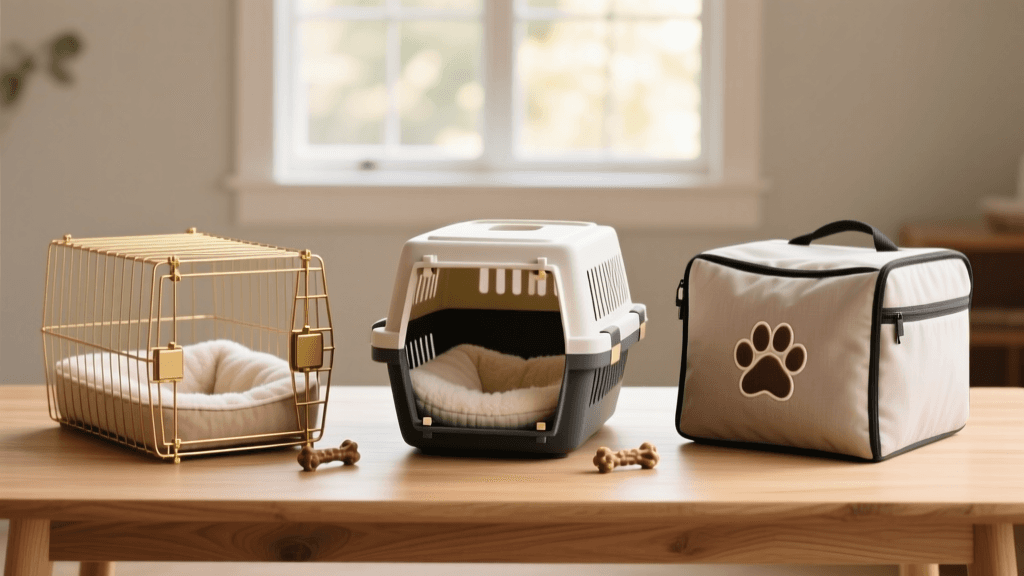
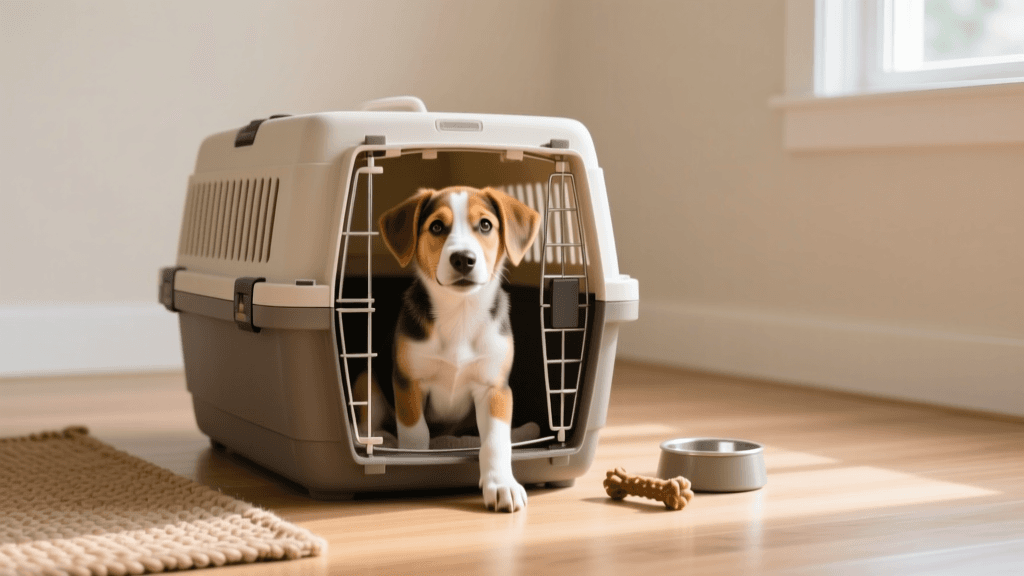
The crate is your best management tool during a regression. Dogs have a natural instinct not to soil their sleeping area, provided the crate is sized correctly. If the crate is too large, the puppy will designate one corner as a bedroom and the other as a bathroom. If you have a large breed puppy, such as a Labrador Retriever, you should invest in a 42-inch crate (like the MidWest Homes for Pets iCrate, around $60-$80) that includes an adjustable divider panel. Adjust the divider so the puppy has just enough room to stand up, turn around, and lie down comfortably. This removes the excess space that invites indoor accidents.
Addressing Submissive and Excitement Urination
Sometimes, what looks like potty regression is actually submissive or excitement urination. This is an involuntary physical response, not a housetraining failure. Submissive urination occurs when a puppy feels intimidated or overly deferential (often happening when an owner leans over them or speaks in a stern tone). Excitement urination happens when a puppy is overly stimulated by a returning owner or a new guest. The ASPCA notes that puppies typically outgrow this as they gain confidence and bladder control. To manage this, ignore your puppy for the first five minutes you walk through the door, keep greetings low-key, and avoid leaning over them directly. Take them outside immediately in a calm manner before engaging in play.
Potty Regression Troubleshooting Chart
Use the following diagnostic table to quickly identify the likely cause of your puppy's regression and the immediate action you should take.
| Observed Symptom | Potential Root Cause | Immediate Action Plan |
|---|---|---|
| Frequent, small puddles; licking genitals; straining | Urinary Tract Infection (UTI) or bladder inflammation | Schedule a vet visit for a urinalysis; increase water intake; take outside every 30-60 minutes. |
| Accidents only happen when left alone or in crate | Separation anxiety or crate is too large | Use a crate divider panel; practice short, positive absences; consult a behaviorist if panic persists. |
| Accidents immediately after guests arrive or during greetings | Submissive or excitement urination | Ignore the puppy upon entering; take them outside on a leash before offering greetings or affection. |
| Diarrhea or loose stools indoors despite previous training | Intestinal parasites, dietary indiscretion, or stress | Collect a stool sample for the vet; switch to a bland diet (boiled chicken and white rice) for 48 hours. |
| Refusal to potty outside; holding it until back indoors | Fear period or adverse weather conditions | Use a high-value treat lure; provide a covered potty area; use a doggy raincoat for bad weather. |
When to See a Veterinarian
While behavioral regression can be managed with patience and a return to basic training, medical issues require professional intervention. If your puppy's accidents are accompanied by lethargy, vomiting, loss of appetite, excessive thirst, or if the urine is cloudy, bloody, or foul-smelling, do not wait. Contact your veterinarian immediately. Early diagnosis of conditions like UTIs or parasites prevents long-term health complications and makes the behavioral retraining process significantly smoother. Remember, potty training is rarely a perfectly straight line; it is a series of peaks and valleys. By diagnosing the root cause and applying consistent, positive solutions, your puppy will quickly regain their housetraining skills.
marcus-aldridge
All our authors care for dogs every day — read more of their work on the authors page.