Puppy Poison Prevention: Emergency Guide to Household Toxins
Learn how to puppy-proof your home against common household toxins, recognize poisoning symptoms, and handle emergencies with this essential safety guide.
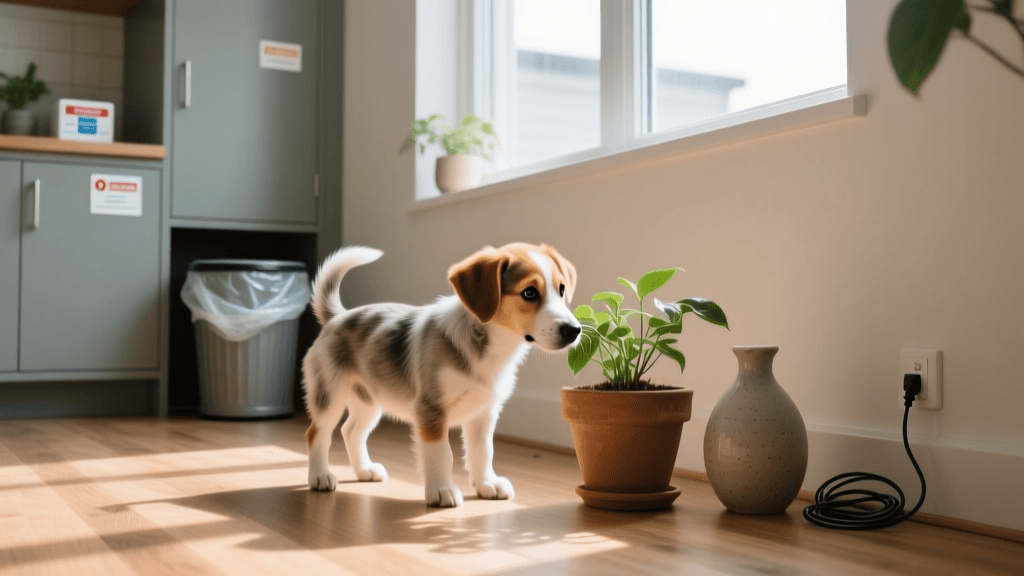
The Hidden Dangers in Your Home
Bringing a new puppy home is an exhilarating experience, but it also introduces a myriad of safety hazards that new owners often overlook. Puppies explore the world with their mouths, making them incredibly susceptible to accidental poisoning. According to the ASPCA Animal Poison Control Center, tens of thousands of pets are exposed to toxic substances every year, with puppies under one year of age being among the most vulnerable due to their small body mass and curious nature.
This emergency and safety guide will walk you through the most common household toxins, the specific measurements that cause harm, the financial impact of an emergency vet visit, and the exact steps you must take if your puppy ingests something dangerous.
Top 5 Most Common Household Toxins for Puppies
Understanding what poses a threat is the first line of defense. Below is a structured breakdown of the most frequent culprits found in and around the home, complete with toxic thresholds and estimated treatment costs.
| Toxin Category | Common Sources | Toxic Threshold / Measurement | Primary Symptoms | Est. Emergency Vet Cost |
|---|---|---|---|---|
| Chocolate | Baking chocolate, dark chocolate bars | 1 oz of baker's chocolate per 1 lb of body weight | Vomiting, diarrhea, tremors, seizures | $1,500 - $3,000 |
| Xylitol | Sugar-free gum, peanut butter, baked goods | 50 mg per pound of body weight | Hypoglycemia, lethargy, liver failure | $2,500 - $5,000+ |
| Human NSAIDs | Ibuprofen (Advil), Naproxen (Aleve) | As little as one 200mg pill for a 10lb puppy | Stomach ulcers, acute kidney failure | $2,000 - $4,500 |
| Rodenticides | d-CON, Tomcat mouse baits | Any ingestion amount is an emergency | Internal bleeding, pale gums, weakness | $3,000 - $6,000 |
| Toxic Plants | Sago Palm, Lilies, Azaleas | Ingestion of 1-2 Sago Palm seeds | Vomiting, seizures, acute liver failure | $2,000 - $5,000 |
Xylitol: The Silent Killer in Your Pantry
Xylitol is a sugar alcohol used as a sweetener in many human products. While perfectly safe for humans, it is extraordinarily toxic to dogs. When a puppy ingests xylitol, their pancreas mistakes it for real sugar and releases a massive amount of insulin. This leads to a rapid, life-threatening drop in blood sugar (hypoglycemia) within 10 to 60 minutes.
Where Xylitol Hides
- Sugar-Free Gum: Brands like Trident or Orbit often contain high levels of xylitol. A single piece can be dangerous to a tiny puppy.
- Peanut Butter: Always check the label before giving your puppy a peanut butter-stuffed Kong. Avoid brands like Goofy's or Nuts 'N More that use xylitol as a sweetener.
- Over-the-Counter Medications: Some chewable vitamins, melatonin supplements, and nasal sprays use xylitol for flavoring or as an inactive ingredient.
Actionable Advice: Keep all sugar-free items in upper cabinets secured with child-proof locks (e.g., Safety 1st Magnetic Locking System, ~$15 for a set). If your puppy ingests xylitol, do not wait for symptoms; rush them to the nearest emergency veterinary clinic immediately for IV dextrose therapy and liver protectants like Denamarin.
Human Medications: A Leading Cause of Puppy Emergencies
Never administer human medication to your puppy without explicit veterinary instruction. Over-the-counter pain relievers like Ibuprofen (Advil, Motrin) and Acetaminophen (Tylenol) are highly toxic. Puppies have a much lower threshold for these drugs, and their livers lack the specific enzymes required to metabolize them safely.
According to the Pet Poison Helpline, human medications consistently rank in the top three most common pet poisonings. A single 200mg ibuprofen tablet can cause severe gastric ulceration in a 10-pound puppy, while higher doses lead to acute renal failure requiring intensive fluid diuresis.
"Time is tissue when it comes to pet poisoning. The faster you seek professional guidance, the better the prognosis and the lower the financial burden of prolonged intensive care." - Pet Poison Helpline
Emergency Response: What to Do If Your Puppy Ingests a Toxin
Panicking will not help your puppy. If you suspect your dog has consumed something toxic, follow this precise, step-by-step emergency protocol:
- Remove the Source: Safely take the toxin away from your puppy to prevent further ingestion. Sweep up any spilled pills or plant leaves.
- Identify the Toxin and Amount: Gather the packaging. Note the exact milligram (mg) strength, the active ingredients, and estimate how many pills or ounces were consumed based on what is left.
- Calculate Your Puppy's Weight: You will need your puppy's exact weight in pounds or kilograms for the poison control experts to calculate the toxicity threshold.
- Call the Experts: Contact the ASPCA Animal Poison Control Center (888-426-4435) or the Pet Poison Helpline (855-764-7661). Note: A consultation fee of $75-$95 may apply, but this is a vital investment in your puppy's life.
- Do NOT Induce Vomiting Unless Instructed: Never give your puppy hydrogen peroxide or salt water without direct instructions from a veterinarian or poison control expert. Inducing vomiting with caustic substances or petroleum-based products can cause severe aspiration pneumonia or esophageal burns.
- Transport to the ER: Bring the packaging and any vomit samples with you to the emergency veterinary hospital.
Recognizing the Subtle Signs of Poisoning
Puppies cannot tell you when they feel sick, and early signs of toxicity are often mistaken for an upset stomach or normal puppy fatigue. Being able to recognize the subtle clinical signs of poisoning can shave critical hours off the time it takes to get emergency treatment.
- Gastrointestinal Distress: While a single episode of vomiting might be due to eating too fast, repeated vomiting, especially when accompanied by diarrhea or a loss of appetite, is a major red flag.
- Neurological Changes: Watch for sudden clumsiness, uncoordinated walking (ataxia), muscle tremors, or extreme lethargy. If your usually bouncy puppy is lying in a corner and unresponsive to their favorite toys, seek immediate care.
- Respiratory and Cardiovascular Signs: Pale or bluish gums, excessive panting, rapid heart rate, or coughing can indicate internal bleeding, heart arrhythmias (common with chocolate toxicity due to theobromine's long half-life), or respiratory distress.
- Changes in Urination: A sudden increase or drastic decrease in urination can point to acute kidney injury, often triggered by NSAIDs, grapes, or raisins.
Puppy-Proofing Checklist: Room by Room
Prevention is significantly cheaper and less stressful than emergency treatment. Use this checklist to secure your home:
The Kitchen
- Install under-sink latches to block access to cleaning supplies (e.g., bleach, ammonia, dish detergent pods).
- Store chocolate, grapes, raisins, and onions in closed pantries, not on low countertops.
- Use a heavy-lid trash can (e.g., simplehuman 50L, ~$150) to prevent dumpster diving, which frequently leads to foreign body obstructions and food poisoning.
The Bathroom
- Keep the toilet lid closed. Toilet bowl cleaners (like Clorox Automatic Bleach Tablets) make the water highly toxic.
- Store all human medications, vitamins, and supplements in high cabinets, not in easy-open travel bags left on the bed or floor.
The Garage and Yard
- Store antifreeze (ethylene glycol) on high shelves. Its sweet taste is irresistible to puppies, and even a few licks can be fatal. Consider switching to a propylene glycol-based antifreeze, which is less toxic.
- Avoid using cocoa bean mulch in your garden, as it contains theobromine (the same toxic compound in chocolate).
- Eliminate the use of snail bait containing metaldehyde, which causes severe tremors and seizures. Opt for pet-safe iron phosphate alternatives like Sluggo.
The Value of Pet Insurance in Toxic Emergencies
Emergency veterinary care for toxin ingestion often requires overnight hospitalization, intravenous fluids, activated charcoal administration, and extensive bloodwork. These bills routinely exceed $3,000. Enrolling your puppy in a comprehensive pet insurance plan (such as Trupanion or Healthy Paws) during their first weeks of life ensures that you are never forced to make a financial decision over your puppy's life. Most accident and illness plans cover toxic ingestions, reimbursing up to 90% of the veterinary bill after the deductible is met.
Final Thoughts on Puppy Safety
As highlighted by the American Kennel Club, awareness and proactive puppy-proofing are the cornerstones of responsible dog ownership. By understanding the specific measurements that cause harm, securing your environment, and knowing exactly how to respond in an emergency, you can ensure your puppy's first year is safe, healthy, and happy. Save the ASPCA Poison Control number in your phone today—it could save your puppy's life tomorrow.
tom-renshaw
All our authors care for dogs every day — read more of their work on the authors page.