Best Puppy Teething Toys: The Ultimate 2024 Buyer's Guide
Discover the best puppy teething toys to soothe sore gums. Our 2024 buyer's guide reviews top durable, safe chews for growing pups.
Surviving the Puppy Teething Phase: A Comprehensive Buyer's Guide
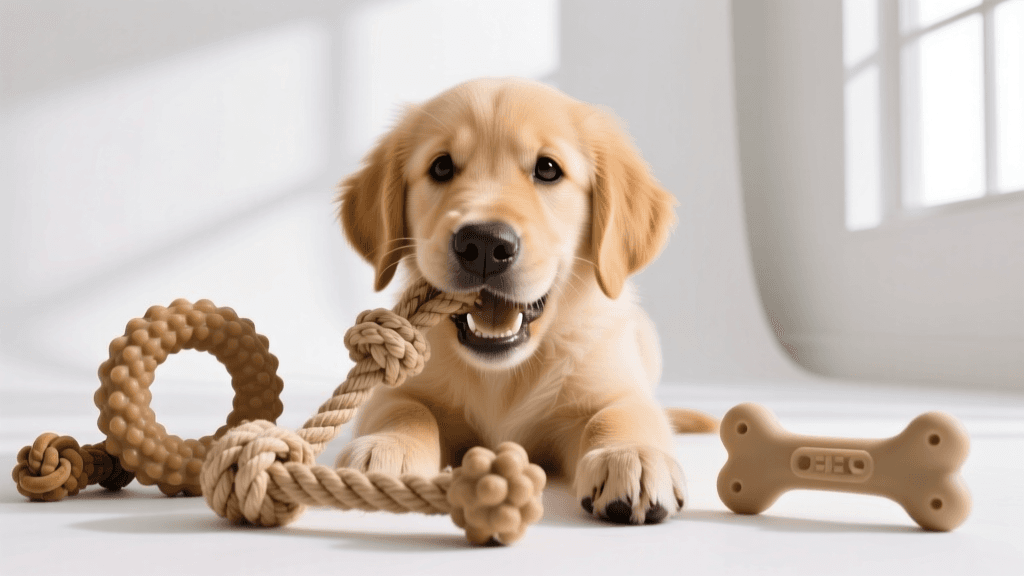
Welcome to Paws-Tales, your trusted resource for navigating the chaotic, adorable, and sometimes destructive first year of your dog's life. If your puppy is currently chewing through your favorite shoes, gnawing on baseboards, and leaving a trail of drool across the living room, you are not alone. Teething is a universal rite of passage for puppies, but it doesn't have to mean the end of your household belongings. The right teething toys can save your furniture, soothe your puppy's aching gums, and establish lifelong healthy chewing habits.
In this product review and buyer's guide, we will break down the exact timeline of puppy teething, reveal the crucial safety features you must look for, and review the top five teething toys on the market in 2024. We will also provide a structured comparison chart and actionable training tips to redirect destructive chewing.
The Puppy Teething Timeline: What to Expect
Before investing in a basket full of chew toys, it is essential to understand what is happening inside your puppy's mouth. According to VCA Animal Hospitals, the teething process follows a predictable biological timeline:
- 2 to 4 Weeks: Deciduous (baby) teeth begin to erupt. Puppies are usually still nursing during this time.
- 5 to 8 Weeks: All 28 baby teeth are fully in place. This is often when puppies go to their new homes, and their needle-sharp teeth become highly noticeable during play.
- 12 to 16 Weeks: The baby teeth begin to fall out to make way for adult teeth. You may find tiny teeth on the floor, or your puppy may swallow them (which is harmless). This is the peak of oral discomfort and destructive chewing.
- 6 Months: All 42 adult teeth should be fully erupted. If baby teeth are still lingering after this point, consult your veterinarian, as retained deciduous teeth can cause orthodontic issues.
Crucial Features to Look For in a Teething Toy
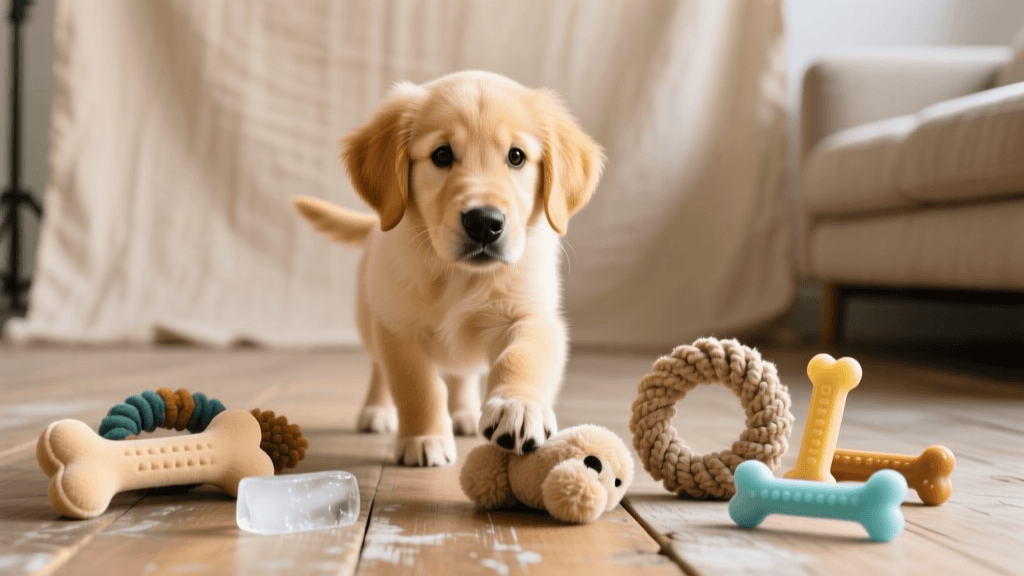
Not all dog toys are created equal, and adult dog toys can actually damage a puppy's developing jaw and sensitive gums. When shopping for teething products, prioritize these three factors:
1. Material Forgiveness
Puppy teeth are sharp but fragile. Toys must be durable enough to withstand constant gnawing but soft enough not to fracture developing enamel. Avoid rock-hard materials like antlers or dense nylon meant for aggressive adult chewers.
2. Size and Choking Hazards
A toy that is too small poses a severe choking or intestinal blockage risk. Always check the manufacturer's weight and size guidelines. If a toy can fit entirely inside your puppy's mouth, it is too small.
3. Non-Toxic Composition
Puppies ingest microscopic (and sometimes macroscopic) amounts of whatever they chew. Ensure toys are free from BPA, phthalates, lead, and toxic dyes. The ASPCA strongly recommends supervising all chew sessions and discarding toys once they begin to break apart or show signs of heavy wear.
Top 5 Puppy Teething Toys Reviewed for 2024
1. KONG Puppy Toy (Small)
Price Range: $8 - $12
Dimensions: 3 x 1.75 inches
Material: Exclusive ultra-soft, natural pink/blue rubber
The KONG Puppy is the gold standard for teething relief. Unlike the classic red KONG designed for adults, the puppy version uses a softer rubber compound specifically formulated for developing teeth and gums. The hollow center is its greatest asset; you can stuff it with puppy-safe peanut butter, plain yogurt, or soaked kibble and freeze it. The frozen treat provides numbing relief for inflamed gums while the rubber texture massages the jaw.
2. Petstages Cool Teething Stick
Price Range: $9 - $13
Dimensions: 2 x 10 inches
Material: Cotton blend poly-cotton netting
This toy takes a different approach by utilizing temperature for pain relief. The manufacturer recommends soaking the stick in water and freezing it before giving it to your puppy. The frozen, textured netting crunches satisfyingly and acts like an ice pack for sore gums. The crinkly interior also adds auditory stimulation to keep easily distracted puppies engaged. Note: This toy is not meant for aggressive, unsupervised shredding; replace it once the netting begins to tear.
3. Nylabone Puppy Power Chew (Chicken Flavor)
Price Range: $6 - $9
Dimensions: 5.5 inches long
Material: Softer, flexible nylon
Nylabone makes a specific 'Puppy' line that is noticeably more flexible than their adult power chews. The chicken flavor is infused throughout the material, encouraging puppies to chew the toy rather than your wooden furniture legs. The bristles that raise up during chewing act like a toothbrush, helping to clean teeth and massage gums. It is an excellent, budget-friendly option for moderate chewers.
4. Benebone Puppy Wishbone
Price Range: $13 - $17
Dimensions: 4 x 4 inches
Material: Bacon-infused, puppy-grade nylon
Benebone's ergonomic wishbone shape is brilliant for puppies who are still figuring out how to hold onto their toys with their front paws. The curved design allows them to grip it easily. The puppy version uses a slightly softer nylon than the adult version and is infused with real bacon. It is highly durable, but you must monitor it and discard it once it wears down to a small nub to prevent choking.
5. West Paw Zogoflex Bumi
Price Range: $16 - $20
Dimensions: 8.25 inches
Material: Zogoflex thermoplastic elastomer (BPA-free)
If your puppy loves interactive play and tug-of-war, the Bumi is an outstanding choice. The S-shaped design is gentle on a puppy's mouth and neck during tugging. It is completely dishwasher safe, floats in water, and is incredibly resilient against sharp puppy teeth. West Paw also offers a love-it guarantee, making the slightly higher price point a worthwhile investment.
Comparison Chart: Best Teething Toys
| Toy Name | Material | Best For | Price Range | Freezable? |
|---|---|---|---|---|
| KONG Puppy | Soft Natural Rubber | Food-motivated pups & solo play | $8 - $12 | Yes (when stuffed) |
| Petstages Cool Stick | Poly-Cotton Netting | Sore gums & temperature relief | $9 - $13 | Yes |
| Nylabone Puppy | Flexible Nylon | Dental cleaning & moderate chewers | $6 - $9 | No |
| Benebone Puppy | Bacon-Infused Nylon | Ergonomic gripping & heavy chewers | $13 - $17 | No |
| West Paw Bumi | Zogoflex Elastomer | Interactive tug & water play | $16 - $20 | No |
Dangerous Toys and Chews to Avoid
While shopping, you will encounter many products marketed for dogs that are actually hazardous for teething puppies. The American Kennel Club and veterinary professionals universally advise avoiding the following items during the first year of life:
- Antlers and Hooves: These are far too hard and frequently cause slab fractures in puppy teeth, leading to painful and expensive veterinary extractions.
- Rawhide Chews: Traditional rawhide can pose a severe choking hazard and is notoriously difficult to digest, often leading to intestinal blockages.
- Cooked Bones: Never give a puppy (or adult dog) cooked bones, as they splinter easily and can puncture the gastrointestinal tract.
- Cheap Vinyl/Plastic Toys: Toys without BPA-free certifications or those that easily shred into sharp plastic shards should be thrown away immediately.
'A puppy's need to chew is not an act of misbehavior or spite; it is a biological imperative driven by oral discomfort, jaw strengthening, and environmental exploration. Providing appropriate, safe outlets is the key to saving your home.' — Veterinary Behavioral Consensus
Pro Tips for Managing Destructive Chewing
Buying the right toys is only half the battle; teaching your puppy how to use them is the other. Implement these actionable strategies to protect your home:
The Frozen Washcloth Trick
If you are on a budget or need immediate relief for a whiny puppy, take a clean, inexpensive washcloth, wet it, wring it out, and tie it into a tight knot. Freeze it for two hours. The frozen, textured fabric provides incredible gum relief. Always supervise this activity to ensure the puppy doesn't swallow large pieces of cloth.
The 'Trade-Up' Game
When you catch your puppy chewing on a forbidden item like a shoe or a remote control, do not yell or chase them, as this can trigger a game of 'keep away' or induce fear. Instead, grab a high-value teething toy (like a frozen KONG), approach calmly, and offer it in exchange. When they drop the shoe to take the toy, praise them enthusiastically. This builds a positive association with their approved toys.
Toy Rotation Strategy
Puppies suffer from toy fatigue just like children suffer from boredom. Instead of leaving all five toys out at once, keep two or three available and hide the rest in a closet. Every three days, swap them out. This makes old toys feel brand new and maintains your puppy's interest, reducing the likelihood that they will seek out entertainment by chewing your baseboards.
Puppy-Proofing and Deterrents
Management is crucial during the 12-to-16-week peak teething window. Use bitter apple sprays on wooden furniture legs and baseboards. Invest in cord concealers to protect electrical wires, which pose a fatal electrocution risk. Finally, restrict your puppy's access to the house using baby gates or playpens when you cannot actively supervise them.
When to See a Veterinarian
While drooling, mild whining, and increased chewing are normal, certain symptoms warrant a vet visit. If your puppy refuses to eat, has bleeding gums that do not stop, exhibits facial swelling, or has 'double teeth' (where the adult tooth erupts behind a retained baby tooth), schedule an appointment with your veterinarian immediately. Proper dental alignment is crucial for your dog's long-term oral health and ability to eat comfortably.
By investing $30 to $50 in a curated selection of high-quality, safe teething toys, you are not just saving your favorite pair of sneakers—you are actively contributing to your puppy's physical comfort and behavioral development. Choose wisely, supervise closely, and enjoy the wonderful journey of raising a happy, healthy dog.
marcus-aldridge
All our authors care for dogs every day — read more of their work on the authors page.