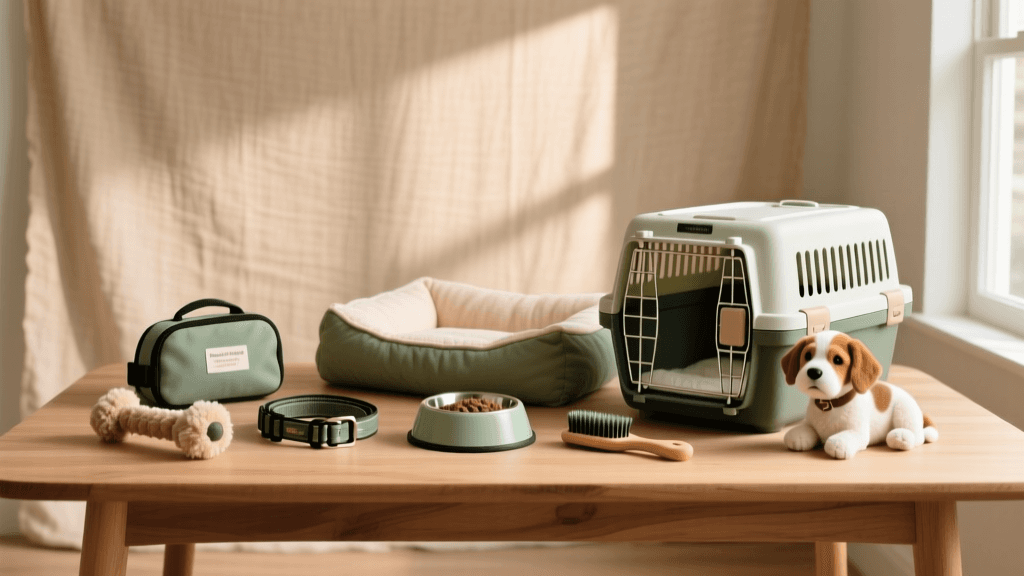
New Puppy Nutrition and Preventative Health Checklist
Prepare your home with our new puppy nutrition and preventative health checklist. Learn about diet transitions, vaccines, and essential first vet visits.

Welcome Home: The Intersection of Nutrition and Health
Bringing a new puppy into your home is one of life's most rewarding experiences, but it also marks the beginning of a critical developmental window. The decisions you make regarding your puppy's diet and preventative healthcare during the first 30 days will lay the foundation for their lifelong vitality. As a new dog owner, navigating the aisles of a pet supply store or deciphering veterinary jargon can feel overwhelming. This deep dive into puppy nutrition and preventative health will equip you with actionable, science-backed strategies to ensure your new companion thrives from day one.
The Nutrition Transition: Avoiding Gastrointestinal Upset
One of the most common mistakes new owners make is abruptly changing a puppy's diet. A puppy's gastrointestinal tract is highly sensitive, and sudden shifts in protein sources, fat levels, or carbohydrate profiles can lead to osmotic diarrhea, vomiting, and severe dehydration. When you acquire your puppy, ask the breeder or rescue organization for a 5-to-7-day supply of their current food. If you plan to switch to a different brand, you must execute a gradual transition.
The 7-Day Diet Transition Schedule
Follow this precise measurement schedule to introduce the new food while weaning off the old food. Measure by volume (cups) or weight (grams) based on your puppy's specific caloric needs.
| Days | Old Food Percentage | New Food Percentage | Monitoring Notes |
|---|---|---|---|
| Days 1-2 | 75% | 25% | Watch for soft stools or decreased appetite. |
| Days 3-4 | 50% | 50% | Ensure adequate water intake; stool should remain formed. |
| Days 5-6 | 25% | 75% | If diarrhea occurs, revert to the previous stage for 2 days. |
| Day 7 | 0% | 100% | Full transition complete. Monitor weight gain weekly. |
Decoding Dog Food Labels: What the Experts Recommend
Not all puppy foods are created equal. When selecting a diet, look for the Association of American Feed Control Officials (AAFCO) statement of nutritional adequacy. The label must explicitly state that the food is formulated for 'growth' or 'all life stages.' Furthermore, large breed puppies (those expected to reach 70 lbs or more as adults) require a specialized 'Large Breed Puppy' formula. These diets strictly regulate calcium and phosphorus ratios—keeping calcium at or below 1.8% on a dry matter basis—to prevent developmental orthopedic diseases like hip dysplasia and osteochondrosis.
For authoritative guidance on selecting a high-quality diet, refer to the World Small Animal Veterinary Association (WSAVA) Global Nutrition Guidelines. The WSAVA recommends choosing brands that employ full-time, board-certified veterinary nutritionists and conduct rigorous feeding trials, rather than relying solely on computer-formulated recipes. Premium brands like Purina Pro Plan Puppy, Royal Canin Size Health Nutrition, and Hill's Science Diet Puppy consistently meet these rigorous WSAVA criteria.
Gut Health and Probiotic Support
The stress of rehoming can compromise a puppy's gut microbiome. Keeping a probiotic supplement on hand is a proactive measure. Products containing the strain Enterococcus faecium SF68, such as Purina FortiFlora, are clinically proven to promote intestinal microflora balance and can significantly reduce the duration of stress-induced diarrhea during the first week home.
Preventative Health: Setting Up the First Vet Visit
Your first veterinary appointment should be scheduled within 48 to 72 hours of bringing your puppy home. This visit is not just for a physical exam; it is a comprehensive health audit. Bring a fresh fecal sample (collected within the last 12 hours) so the clinic can perform a fecal flotation test. This screens for common intestinal parasites like roundworms, hookworms, giardia, and coccidia, which are prevalent in both shelter and breeder environments.
Core Vaccines and Parasite Prevention
Vaccination protocols are vital for protecting your puppy against fatal viral diseases. The American Veterinary Medical Association (AVMA) outlines core vaccines that every puppy must receive. The DA2PP vaccine protects against Distemper, Adenovirus-2, Parainfluenza, and Parvovirus. Because maternal antibodies can interfere with early vaccination, puppies require a series of DA2PP boosters every 3 to 4 weeks until they are at least 16 weeks old.
Standard Puppy Vaccine Schedule
| Puppy Age | Core Vaccines Administered | Non-Core (Risk-Based) |
|---|---|---|
| 6-8 Weeks | DA2PP (1st Dose) | Bordetella (Kennel Cough) |
| 10-12 Weeks | DA2PP (2nd Dose) | Leptospirosis, Lyme, Canine Influenza |
| 14-16 Weeks | DA2PP (3rd Dose), Rabies | Booster for non-core if applicable |
| 12 Months | DA2PP Booster, Rabies Booster | Annual boosters for risk-based vaccines |
Flea, Tick, and Heartworm Prevention
Parasite prevention should begin as early as 6 to 8 weeks of age, depending on the product's weight requirements. Heartworm disease, transmitted by mosquitoes, is 100% fatal if left untreated but easily preventable. Monthly oral chewables like Heartgard Plus (ivermectin/pyrantel) or Interceptor Plus are industry standards. For flea and tick control, isoxazoline-class oral medications such as NexGard or Bravecto provide rapid kill rates and prevent the transmission of tick-borne illnesses like Lyme disease and Ehrlichiosis. Budget approximately $20 to $45 per month for comprehensive, year-round parasite prevention.
Household Hazards and Toxic Foods
Puppies explore the world with their mouths, making puppy-proofing your home a mandatory health intervention. The ASPCA Animal Poison Control Center warns that several common human foods are highly toxic to dogs. Xylitol (an artificial sweetener found in sugar-free gum and peanut butter) can cause rapid, fatal hypoglycemia and liver failure. Grapes and raisins can trigger acute kidney injury, while onions, garlic, and macadamia nuts cause severe cellular and neurological damage. Keep all human medications, rodenticides, and toxic houseplants (like sago palms and lilies) completely out of reach.
Budgeting for Your Puppy's First Year
Proper nutrition and preventative care require a dedicated financial commitment. Failing to budget for these essentials often leads to deferred care, which can result in catastrophic emergency vet bills later. Below is an estimated cost breakdown for a medium-sized puppy's first-year health and nutrition setup.
| Expense Category | Initial Setup Costs | Estimated Monthly Recurring Costs |
|---|---|---|
| High-Quality Puppy Food | $60 (First Bag & Bowls) | $50 - $90 |
| Veterinary Exams & Vaccines | $300 - $600 (First 3 Visits) | $0 (Until 16 weeks complete) |
| Parasite Preventatives | $40 (First Doses) | $25 - $45 |
| Spay/Neuter & Microchip | $400 - $800 (At 6 months) | N/A |
| Probiotics & Supplements | $35 (FortiFlora/Omega-3s) | $15 - $30 |
Final Thoughts on Proactive Puppy Care
Getting a dog is a profound responsibility that extends far beyond purchasing a leash and a bed. By meticulously managing your puppy's nutritional transition, adhering to WSAVA and AVMA guidelines for diet and vaccination, and proactively puppy-proofing your home against ASPCA-listed toxins, you are actively engineering a longer, healthier life for your new best friend. Keep this checklist handy, establish a strong relationship with your local veterinarian, and enjoy the incredible journey of raising a healthy, thriving dog.
aaron-whyte
All our authors care for dogs every day — read more of their work on the authors page.