First-Time Dog Owner Essentials: The Ultimate Shopping Guide
Discover the ultimate shopping list for first-time dog owners. Learn which essential gear to buy, what to skip, and estimated costs for your new puppy.
Welcome to Dog Ownership: Cutting Through the Pet Store Noise
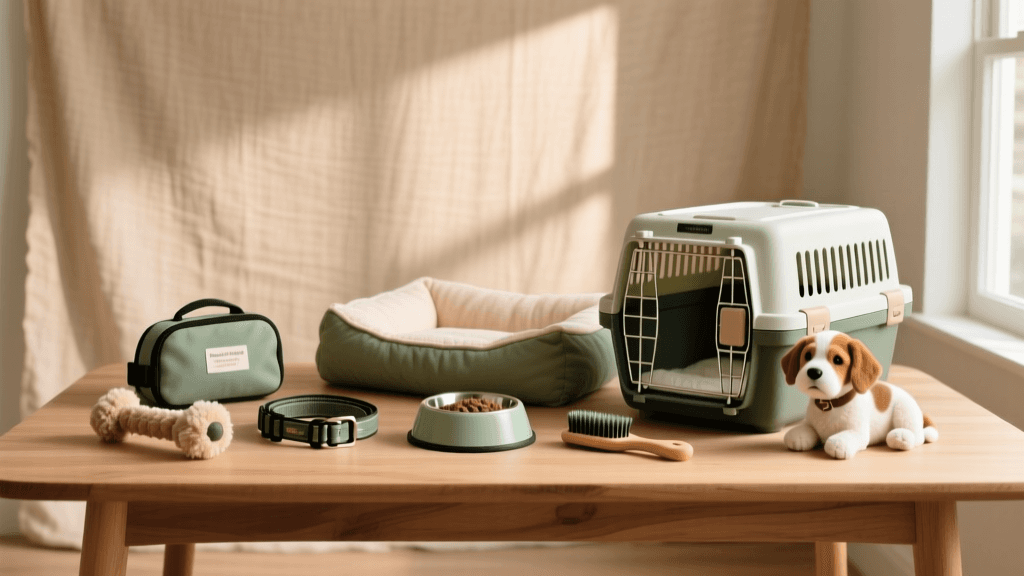
Bringing a new dog home is one of life’s most rewarding experiences, but stepping into a pet supply store or browsing online retailers can quickly turn that excitement into overwhelm. Aisles are stocked with thousands of gadgets, gizmos, and gear, all promising to make your life easier. But as a first-time dog owner, how do you separate the absolute necessities from the expensive gimmicks?
This comprehensive guide is designed specifically for first-time owners. We will walk you through the non-negotiable essentials, provide exact product recommendations, explain what you should completely avoid, and break down the real costs of preparing for your new best friend. By the end of this guide, you will have a streamlined, budget-friendly shopping list that sets you and your new dog up for success from day one.
The Non-Negotiable Core Essentials
Before your dog crosses the threshold of your home, you need to have a foundational setup ready. These items are critical for your dog’s safety, comfort, and training.
1. The Right Crate and Proper Sizing
A crate is not a cage; it is your dog’s personal den and a vital tool for house training and preventing destructive behavior. According to the American Kennel Club (AKC), dogs naturally seek out enclosed, safe spaces to rest. When selecting a crate, wire crates (like the popular MidWest Homes for Pets iCrate) are generally best for first-time owners because they fold flat for storage and offer excellent visibility and ventilation.
Sizing Rule of Thumb: Your dog should be able to stand up without ducking their head, turn around in a full circle, and lie down stretched out. If you are buying a crate for a puppy, purchase one sized for their estimated adult weight and use the included divider panel to shrink the space. A crate that is too large will allow a puppy to eliminate in one corner and sleep in the other, completely defeating the purpose of crate training.
2. A 6-Foot Leash and a Front-Clip Harness
Skip the retractable leashes. While they seem convenient, they offer terrible control, can cause severe rope burn, and teach your dog that pulling gets them further ahead. Instead, invest in a standard 6-foot nylon or leather leash. This specific length gives your dog enough room to sniff and explore while keeping them close enough to redirect their attention in high-traffic areas.
Pair this with a front-clip harness, such as the Kurgo Tru-Fit Smart Harness or the Ruffwear Front Range. A front-clip harness gently redirects your dog’s momentum toward you when they pull, making loose-leash walking significantly easier to train.
3. Stainless Steel or Ceramic Bowls
Plastic bowls are a common first-time owner mistake. Over time, plastic develops microscopic scratches that harbor bacteria, which can lead to a condition known as canine acne (those little red bumps on your dog’s chin). Stick to heavy-bottomed stainless steel bowls or lead-free ceramic bowls. They are dishwasher safe, highly durable, and much more hygienic.
Harness vs. Collar: Which is Right for Walking?
While every dog needs a flat collar for holding their ID and rabies tags, it is not always the best tool for walking. Here is a quick comparison to help you choose the right walking gear for your specific dog.
| Feature | Standard Flat Collar | Back-Clip Harness | Front-Clip Harness |
|---|---|---|---|
| Best For | Holding ID tags; small, non-pulling breeds | Dogs with respiratory issues (e.g., Pugs); car rides | Pullers, large breeds, and leash-training puppies |
| Neck Strain Risk | High (if dog pulls heavily) | Very Low | Very Low |
| Pull Control | Low | Low (can actually encourage pulling like a sled dog) | High (redirects dog toward owner) |
| Estimated Cost | $10 - $20 | $25 - $45 | $25 - $50 |
Enrichment, Chews, and Cleaning Supplies
Physical exercise is only half the equation. Mental enrichment is what truly tires out a dog and prevents behavioral issues like excessive barking or furniture destruction.
Interactive Toys and Chews
The KONG Classic (red for puppies and average chewers, black for power chewers) is an absolute must-have. Stuff it with a mixture of kibble, plain pumpkin puree, and dog-safe peanut butter, then freeze it overnight. This provides 30 to 45 minutes of quiet, focused enrichment. Another excellent option is the West Paw Toppl, which is easier to clean and great for softer treat mixtures.
Enzymatic Cleaners
Accidents will happen, especially in the first few weeks. Standard household cleaners might mask the smell to human noses, but dogs have up to 300 million olfactory receptors. If they can still smell the urine, they will return to that spot to mark again. You must use an enzymatic cleaner like Nature’s Miracle or Angry Orange, which breaks down the uric acid crystals at a molecular level. Never use ammonia-based cleaners, as ammonia smells like urine to a dog and will actually encourage them to pee there again.
Pet-Proofing Your Home Environment
The ASPCA Dog Care guidelines heavily emphasize the importance of pet-proofing your home before arrival. Dogs explore the world with their mouths, and common household items can be incredibly dangerous.
- Baby Gates: Invest in a hardware-mounted gate for the top of stairs and a pressure-mounted gate (like the Regalo Easy Step) to block off rooms like the kitchen or home office.
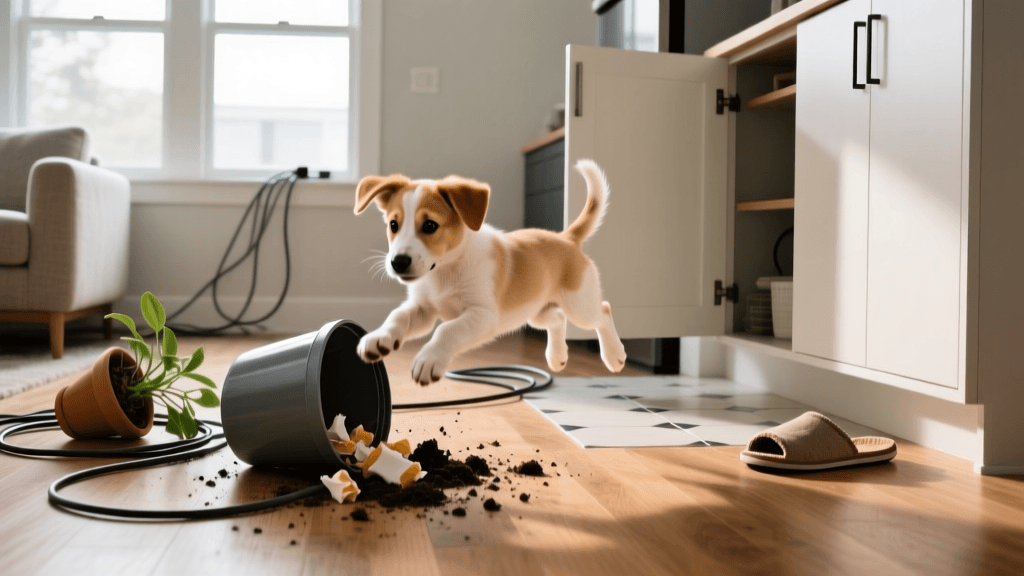
- Cord Protectors: Use PVC cord concealers or bitter apple spray on exposed electrical wires to prevent deadly electrocution or chewing hazards.
- Secure the Trash: Buy a heavy, step-can trash bin. Dogs can easily knock over swinging-lid bins, leading to ingestion of toxic foods like cooked bones, grapes, or onions.
What to Skip: Save Your Money for Vet Bills
Just as important as knowing what to buy is knowing what to leave on the shelf. First-time owners often fall victim to clever marketing. Here is what you should skip:
1. Puppy Potty Pads (For Most Owners)
Unless you live in a high-rise apartment without quick yard access or have a mobility-impaired dog, skip the potty pads. The Humane Society of the United States notes that potty pads teach dogs that it is acceptable to eliminate indoors on soft, rectangular surfaces. This often leads to dogs peeing on your bathmats or area rugs later in life. Take them outside from day one to establish the correct habit.
2. Designer Dog Beds
It is tempting to buy a $150 orthopedic, plush dog bed, but puppies and adolescent dogs are notorious chewers. They will destroy an expensive bed in minutes, creating a dangerous intestinal blockage hazard from the stuffing. Start with a cheap, elevated cot (like the Coolaroo pet bed) or simply fold up old, heavy towels in the bottom of their crate. Once they outgrow the destructive chewing phase (usually around 12 to 18 months), you can invest in a high-quality bed.
3. Fancy Dog Clothing
Aside from a functional raincoat for short-haired breeds in harsh weather or a sweater for breeds like Greyhounds in the winter, most dogs find clothing stressful and restrictive. Skip the novelty outfits and focus your budget on high-quality training treats instead.
First-Month Gear Budget Breakdown
How much should you realistically budget for your first month of dog ownership gear? Below is an estimated breakdown to help you plan your finances.
| Item Category | Budget / Low-End Cost | Premium / High-End Cost |
|---|---|---|
| Crate & Divider | $50 | $120 |
| Harness & Leash | $30 | $85 |
| Bowls & Mats | $15 | $45 |
| Enrichment Toys (KONG, etc.) | $25 | $60 |
| Baby Gates & Proofing | $35 | $100 |
| Enzymatic Cleaner | $15 | $25 |
| Total Estimated Gear Cost | $170 | $435 |
Pro Tip: Check local buy-nothing groups, Facebook Marketplace, or animal shelter thrift stores for gently used crates, gates, and bowls. Dogs do not care if their crate is second-hand, provided it is thoroughly sanitized with a pet-safe cleaner!
Final Thoughts for the First-Time Owner
Preparing for a new dog is about setting up an environment that encourages good choices and keeps them safe. By focusing your budget on high-quality containment, proper walking gear, mental enrichment, and effective cleaning supplies, you are laying the groundwork for a well-adjusted, happy dog. Remember that gear is only a tool; the real magic happens when you pair these essentials with patience, consistency, and positive reinforcement training. Welcome to the incredible journey of dog ownership!
hannah-wickes
All our authors care for dogs every day — read more of their work on the authors page.