Puppy Noise Reactivity: The Engage-Disengage Plan 2026
Learn to manage puppy noise reactivity and anxiety in 2026 using the Engage-Disengage protocol, environmental tools, and expert veterinary behavior tips.
Raising a puppy in 2026 comes with unique challenges, especially in densely populated urban and suburban environments where sirens, construction, delivery drones, and neighborhood noise are constant. For puppies showing early signs of noise sensitivity, anxiety, or reactivity, the first year of life is a critical window for neurological development and behavioral conditioning. Ignoring early signs of noise phobia can lead to entrenched reactive behaviors, chronic stress, and a diminished quality of life for both the dog and the owner. Fortunately, modern veterinary behaviorism offers highly effective, force-free methodologies to help your puppy navigate a loud world with confidence.
Understanding the Puppy Fear Periods
Before implementing any training protocol, it is vital to understand the biological timeline of canine development. According to the American Kennel Club (AKC), puppies experience distinct fear periods during their first year. The first occurs around 8 to 11 weeks of age, coinciding with the transition to a new home. The second, often more pronounced fear period, occurs between 6 and 14 months. During these windows, a puppy's amygdala—the brain's fear center—is highly reactive. A single traumatic or highly stressful auditory event during these periods can permanently wire the puppy to associate that specific sound with a life-threatening danger. Recognizing these periods allows owners to proactively manage the puppy's environment and avoid flooding them with overwhelming stimuli.
The Engage-Disengage Protocol for Noise Reactivity
Originally developed for visual reactivity, the Engage-Disengage protocol has been successfully adapted by certified behaviorists in 2026 for auditory reactivity. The goal is not merely to distract the puppy, but to change their underlying emotional response to the trigger from fear to anticipation of a reward. This is achieved through classical conditioning and operant shaping, working strictly 'sub-threshold'—meaning the sound is present but quiet enough that the puppy does not panic, freeze, or bark.
Step 1: Engage (Noticing the Trigger)
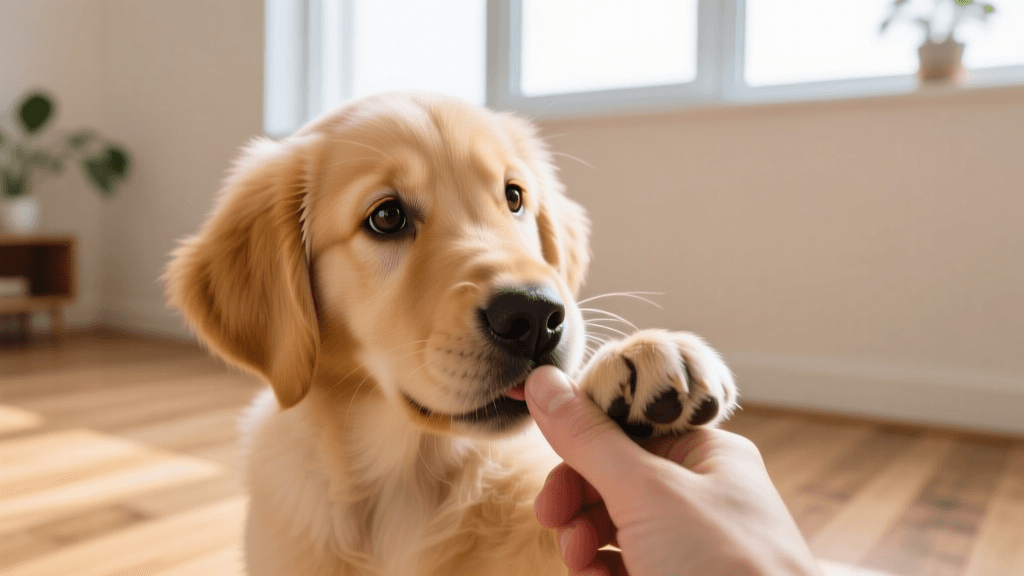
Play a recording of the trigger sound (e.g., thunder, fireworks, or garbage trucks) at a very low volume, or work at a distance from a real-world trigger. The moment your puppy notices the sound—indicated by an ear flick, a head turn, or a slight widening of the eyes—you mark the behavior. Use a distinct marker word like 'Yes!' or a clicker. At this stage, you are teaching the puppy that noticing the scary sound is actually a cue that a reward is coming. The sound becomes the predictor of good things, effectively rewiring the emotional association.
Step 2: Disengage (Checking in with the Handler)
Once the puppy reliably looks toward the sound and then immediately looks back at you in anticipation of the treat, you move to the Disengage phase. Now, you wait for the puppy to voluntarily look away from the trigger and make eye contact with you before marking and rewarding. If the puppy gets stuck staring at the source of the noise or shows signs of stress (panting, trembling, refusing food), the volume is too high or you are too close. You must lower the volume or increase the distance immediately to bring the puppy back under their reactivity threshold.
Selecting High-Value Rewards for Anxious Puppies
When a puppy is experiencing anxiety, their digestive system slows down, and their interest in food plummets. Standard dry kibble will not suffice for counter-conditioning. In 2026, behaviorists recommend using 'high-value' rewards that stimulate the puppy's olfactory senses and trigger a strong dopamine release. Excellent options include:
- Freeze-Dried Beef Liver: Highly aromatic and easy to break into pea-sized pieces for rapid reinforcement.
- Boiled Chicken Breast: A bland, easily digestible protein that most puppies find irresistible.
- Commercial Lick Pastes: Squeezable meat pastes are excellent for prolonged licking, which naturally releases endorphins and calms the canine nervous system.
Audio Desensitization Strategies
To practice the Engage-Disengage game safely at home, utilize high-fidelity audio desensitization tracks. Many veterinary behaviorists now recommend using spatial audio tracks designed specifically for canine hearing ranges. Begin playing the track at roughly 20 decibels—barely audible to human ears—and pair it with a high-value chew toy or a snuffle mat. Over several weeks, increase the volume by no more than 3 to 5 decibels per week, provided the puppy remains relaxed. If the puppy shows any signs of stress, drop the volume back down to the previous successful level and maintain it for another week.
Environmental Management and Calming Tools
Training must be supported by proactive environmental management. If a puppy is repeatedly exposed to triggering noises at full volume without support while you are away, the training progress will be undone. Modern calming aids and sound-masking technologies are essential components of a comprehensive 2026 anxiety management plan.
| Product / Tool | Type | Best For | Estimated 2026 Cost |
|---|---|---|---|
| Adaptil Optimum Diffuser | Synthetic Pheromone | General baseline anxiety and creating a safe zone | $85 - $95 |
| LectroFan Evo White Noise | Sound Masking | Blocking sudden outdoor urban noises and sirens | $45 - $55 |
| Zylkene 75mg Chews | Nutritional Supplement | Short-term stress events (e.g., known storms) | $30 - $40 |
| Thundershirt Classic | Compression Wear | Mild to moderate noise phobia and travel anxiety | $45 - $50 |
Creating a Decompression Sanctuary
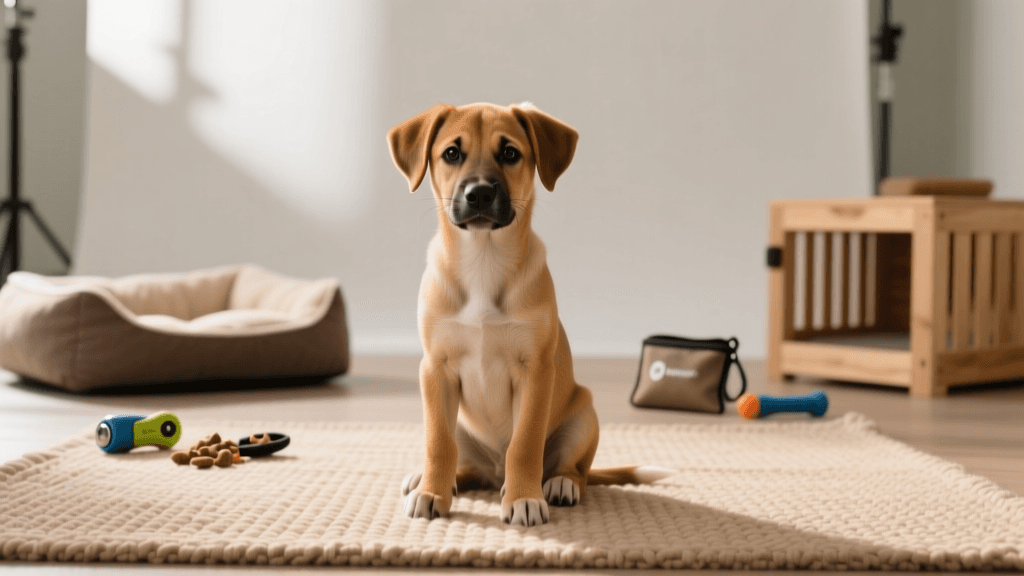
Every reactive or anxious puppy needs a designated 'safe haven' where they can decompress after a stressful event. This sanctuary should be located in a quiet, interior room away from street-facing windows. Furnish the space with a sound-masking white noise machine, an Adaptil Optimum diffuser, and a covered crate lined with familiar, unwashed bedding that carries the owner's scent. When a loud noise occurs, do not force the puppy into the sanctuary or coddle them excessively, which can validate the fear. Instead, calmly toss a high-value treat into the space and allow the puppy to choose to retreat there on their own terms.
When to Seek Professional Veterinary Help
While the Engage-Disengage protocol and environmental management are highly effective for mild to moderate noise sensitivity, severe phobias require professional intervention. If your puppy refuses food for hours after a noise event, exhibits destructive escape behaviors, or shows signs of panic (excessive drooling, frantic pacing, self-injury), it is time to consult a professional. According to the ASPCA, severe phobias often require a combination of behavior modification and anti-anxiety medication to lower the dog's baseline arousal enough for learning to occur.
Furthermore, the American Veterinary Society of Animal Behavior (AVSAB) strongly advises against the use of aversive tools, such as shock collars or leash corrections, to suppress reactive behaviors. Punishing a fear response only suppresses the outward warning signs while exacerbating the internal panic, ultimately leading to more dangerous and unpredictable behavior as the puppy matures. By prioritizing positive reinforcement, neurological support, and patient, sub-threshold desensitization, you can help your puppy build the resilience needed to thrive in a noisy world.
tom-renshaw
All our authors care for dogs every day — read more of their work on the authors page.