Puppy Bite Inhibition: Expert Behavior Training Guide
Learn expert behavior analysis techniques to stop puppy biting and mouthing. Discover timelines, redirection strategies, and bite inhibition training.
Understanding the Ethology of Puppy Mouthing
When you bring a new puppy home, you are quickly introduced to what many owners affectionately, yet frustratingly, refer to as a land shark. Puppy biting and mouthing are among the most common behavioral challenges faced by new dog owners. However, from an expert behavior analysis perspective, this behavior is entirely normal, developmentally appropriate, and deeply rooted in canine ethology. Understanding the 'why' behind the behavior is the first critical step in modifying it effectively without damaging the human-animal bond.
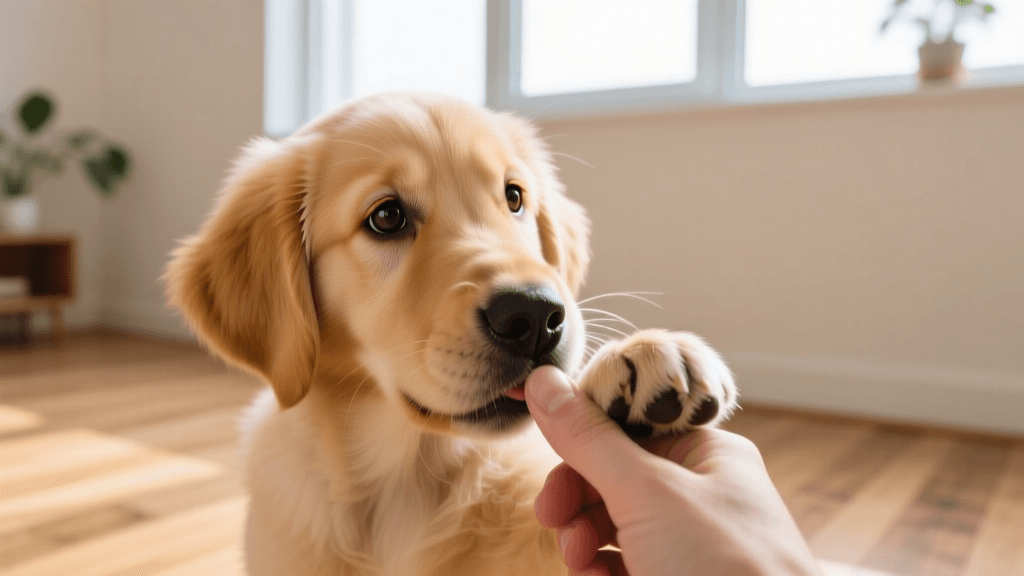
Puppies explore the world primarily through their mouths. Lacking the opposable thumbs that humans use to manipulate objects, puppies use their lips, teeth, and tongues to investigate textures, tastes, and structural integrity. Furthermore, play-biting is a vital social mechanism. In a litter, puppies learn bite inhibition—the ability to control the force of their jaw—through feedback from their siblings. If a puppy bites too hard, the sibling yelps and ceases play. This natural negative punishment teaches the biter that hard bites result in a loss of social interaction. According to VCA Animal Hospitals, replicating this feedback loop in a human household requires precise timing, consistency, and an understanding of operant conditioning.
The Developmental Timeline of Bite Inhibition
Bite inhibition is not an overnight achievement; it is a developmental milestone that unfolds over several months. Tracking your puppy’s age and corresponding behavioral shifts allows you to adjust your training expectations and interventions accordingly. Below is a structured timeline of bite inhibition development.
| Age | Developmental Stage | Behavioral Characteristics | Recommended Intervention |
|---|---|---|---|
| 8-12 Weeks | Early Socialization | High frequency of mouthing; exploring human skin; low bite pressure. | Frequent redirection to toys; hand-feeding to build gentle jaw pressure. |
| 12-16 Weeks | Teething Onset | Increased chewing urgency; baby teeth falling out; gum discomfort. | Provide frozen chew toys; avoid hard bones; enforce nap times. |
| 16-24 Weeks | Active Teething | Peak chewing behavior; adult teeth erupting; testing boundaries. | Strict management; DRI training; consistent time-outs for hard bites. |
| 6+ Months | Adolescence | Decreased teething pain; habitual chewing; testing social hierarchy. | Advanced impulse control games; structured play; mental enrichment. |
Applied Behavior Analysis: Modifying the Bite
Applied Behavior Analysis (ABA) provides a robust framework for modifying puppy biting. Rather than relying on outdated dominance theories or physical corrections, which can induce fear and defensive aggression, modern behaviorists utilize reinforcement and punishment quadrants ethically and effectively.
Differential Reinforcement of Incompatible Behavior (DRI)
Differential Reinforcement of Incompatible Behavior (DRI) is a cornerstone of modern puppy training. DRI involves reinforcing a behavior that is physically incompatible with the unwanted behavior. In the context of biting, a puppy cannot simultaneously bite your skin and chew on a toy. When the puppy approaches with an open mouth, you proactively present an appropriate chew toy. If the puppy bites the toy, you immediately reinforce this choice with verbal praise, petting, or a high-value treat. The American Kennel Club emphasizes that redirecting to a toy teaches the puppy what they should do, rather than just punishing what they shouldn't.
Negative Punishment and the Extinction Burst
When a puppy does make contact with human skin, Negative Punishment is the most ethical and effective response. In operant conditioning, negative punishment involves the removal of a desirable stimulus to decrease the frequency of a behavior. The moment the puppy's teeth touch your skin, you immediately withdraw all attention. Stand up, cross your arms, and look away, or step behind a baby gate for 10 to 15 seconds. You are removing the social interaction the puppy desires. Be prepared for an 'extinction burst'—a sudden, temporary increase in the intensity of the biting as the puppy tries harder to get your attention. If you give in during an extinction burst, you inadvertently reinforce the escalated behavior.
Managing Arousal Thresholds and Enforced Naps
One of the most frequent errors owners make is attempting to train a puppy that is over their arousal threshold. Puppies require 18 to 20 hours of sleep per day. When sleep-deprived, a puppy’s nervous system becomes dysregulated, leading to hyperactivity, zoomies, and relentless biting. This is not a training failure; it is a biological need. Implementing 'enforced naps' in a crate or a quiet playpen is crucial. If your puppy turns into a land shark after 45 minutes of awake time, they do not need more training; they need a nap. Managing their environment and preventing overstimulation is a proactive behavior modification strategy that prevents the rehearsal of unwanted biting habits.
Recommended Tools for Redirection
Selecting the right redirection tools is vital for successful DRI implementation. The toy must be more reinforcing than your skin. Here are three expert-recommended products:
- KONG Classic (Red): The gold standard for food-stuffable toys. For a 15-pound puppy, the Small or Medium size is appropriate. Stuff it with a mixture of plain Greek yogurt, pumpkin puree, and kibble, then freeze it for two hours. The cold temperature soothes teething gums, and the licking behavior naturally lowers the puppy's heart rate and arousal levels. Cost: Approximately $12 to $15.
- Snuffle Mat for Mental Enrichment: While not a chew toy, a snuffle mat (typically 17x17 inches, costing around $25) is invaluable for pre-naptime decompression. Foraging for kibble in the fleece strips engages the puppy's olfactory system, which is highly tiring and promotes a calm state of mind, reducing the likelihood of overstimulated biting.
- West Paw Zogoflex Toppl: An interlocking treat toy made from durable, non-toxic rubber. Unlike traditional puzzle toys, the Toppl has a wide opening that is forgiving for young puppies, preventing frustration. Cost: Approximately $20 to $25. Always supervise your puppy with any chew toy to ensure they are not ingesting pieces.
Common Mistakes Owners Make
Many well-meaning owners inadvertently reinforce biting or create negative associations through common mistakes. First, the 'Yelp and Freeze' method—where the owner mimics a sibling's yelp—often backfires. While it works for some low-arousal puppies, for high-prey-drive or easily overstimulated breeds, a high-pitched yelp acts as an auditory trigger that increases arousal and invites more biting. Second, using physical corrections like tapping the nose or holding the muzzle shut is strongly discouraged by the ASPCA. These aversive techniques can lead to hand-shyness, fear, and defensive aggression, severely damaging the trust between you and your puppy.
Conclusion
Puppy bite inhibition is a marathon, not a sprint. By viewing mouthing through the lens of behavior analysis, you can replace frustration with strategic, empathetic interventions. Utilize Differential Reinforcement, manage arousal thresholds with enforced naps, and provide appropriate, engaging outlets for their natural chewing instincts. Remember that every interaction is a learning opportunity. With consistency, patience, and the right environmental management, your land shark will eventually mature into a gentle, well-adjusted adult dog with a soft mouth and excellent impulse control.
beth-carrasco
All our authors care for dogs every day — read more of their work on the authors page.