2026 Puppy Bonding: Hand-Feeding & Scent-Trail Guide
Discover the best 2026 puppy bonding techniques using hand-feeding protocols and scent-trail games to build deep trust and focus with your new dog.
The Critical Window: Building Trust in 2026
The first six months of a puppy's life represent a profound neurological and behavioral window. During this time, the experiences your puppy has will permanently wire their brain for either confidence and trust, or fear and reactivity. As we navigate the 2026 landscape of canine behavioral science, veterinary behaviorists overwhelmingly agree that passive coexistence is not enough to build a deep bond. True relationship building requires active, structured engagement that speaks to a dog's natural instincts.
According to the ASPCA's comprehensive puppy care guidelines, early positive reinforcement and structured socialization are the bedrock of a well-adjusted adult dog. However, many new owners struggle with exactly how to bond beyond simple petting and play. The two most powerful, scientifically backed methods for forging an unbreakable bond with your new puppy are structured hand-feeding protocols and indoor scent-trail exercises. These methods transform you from a mere provider of food into the ultimate source of enrichment, safety, and guidance.
The Psychology of Hand-Feeding for Puppy Trust
Hand-feeding is a cornerstone of modern positive reinforcement training. When you feed your puppy exclusively from your hands during the first few weeks, you leverage classical conditioning. Your puppy's brain begins to associate your presence, your scent, and your hands with the most valuable resource in their world: food.
This practice yields three massive benefits for your relationship:
- Resource Guarding Prevention: By teaching the puppy that human hands near food mean more food is coming (or that hands are the source of the food), you drastically reduce the likelihood of resource guarding later in life.
- Hyper-Focus Development: Puppies are easily distracted. Hand-feeding in varying environments teaches your puppy to check in with you and maintain eye contact, even when stimuli are present.
- Bite Inhibition: If a puppy bites too hard during hand-feeding, the feeding stops. This provides immediate, gentle feedback on bite pressure.
Step-by-Step Hand-Feeding Protocol
To implement this effectively, you must be consistent. Measure your puppy's daily kibble allotment into a training pouch or your pockets. Do not use a food bowl for their primary meals during the first 30 days home.
Weeks 8 to 10 (The Foundation): Feed kibble piece by piece. Require a simple behavior before each piece, such as making eye contact, sitting, or following a hand lure. If the puppy jumps or nips, close your hand, freeze, and wait for four paws on the floor before offering the food again.
Weeks 10 to 14 (The Engagement Phase): Begin feeding small handfuls to reward sustained engagement. Practice this in different rooms, in the backyard, and eventually on quiet walks. The American Kennel Club emphasizes that exposing puppies to new environments while pairing them with high-value rewards creates positive emotional anchors to the outside world.
Top 2026 Enrichment Toys for Bonding Routines
While hand-feeding is crucial, you also need tools that allow your puppy to engage in independent problem-solving while still associating the reward with your household. In 2026, the market for canine enrichment toys has expanded, but a few classics and modern innovations remain the gold standard for bonding routines. Using these toys together—where you prepare the toy and your puppy solves it—builds a dynamic of cooperative play.
| Product (2026 Models) | Difficulty Level | Best For | Est. Price |
|---|---|---|---|
| Kong Classic (Red Rubber) | Beginner | Teething relief & solo settling | $18.99 |
| Outward Hound Snuffle Mat | Beginner to Intermediate | Scent-work foundation & calming | $29.50 |
| Nina Ottosson Dog Brick | Intermediate | Cognitive bonding & focus | $24.99 |
| West Paw Toppl (Interlocking) | Intermediate | Extended meal times & chewing | $22.00 |
Note: Prices reflect average retail costs in early 2026. Always supervise your puppy with puzzle toys to prevent accidental ingestion of broken parts.
Scent-Trail Bonding: Engaging Your Puppy's Nose
A dog's olfactory system is their primary way of interpreting the world. Engaging your puppy's nose is not only mentally exhausting (which helps with sleep and crate training) but it also builds immense trust. When you set up a scent trail, you are inviting your puppy into a cooperative game where you are the architect of their fun.
How to Set Up a Living Room Scent Trail
You do not need a sprawling backyard to start scent-trail bonding. Your living room is the perfect controlled environment for a young puppy.
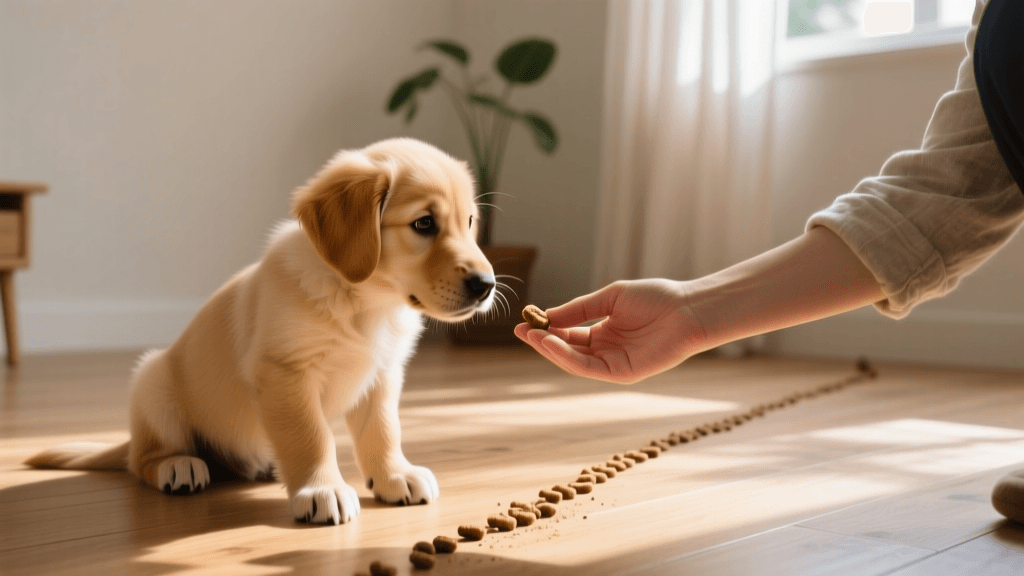
- Choose the Right Reward: Use high-value, strong-smelling treats. Zuke's Mini Naturals or small pieces of boiled chicken work best. Avoid dry, low-odor kibble for this exercise.
- Start Simple (The 'Find It' Cue): With your puppy watching, place a treat on the floor two feet away. Say 'Find it!' in an enthusiastic tone. When they eat it, praise them heavily.
- Increase Complexity: Once they understand the cue, place your puppy in a 'sit-stay' or have a family member gently hold their collar. Place three treats in a straight line, slightly hidden under a rug edge or behind a table leg.
- Introduce Obstacles: Create a trail that goes over a cushion, under a chair, and around a corner. Let your puppy drag their nose to track the invisible path you created.
This game taps into primal hunting instincts in a safe, controlled manner. The Humane Society of the United States frequently recommends scent-based enrichment as a primary tool for building confidence in shy or fearful puppies, as it allows them to process their environment at their own pace.
Daily Bonding Schedule for Working Owners
One of the most common challenges in 2026 is balancing a full-time work schedule with the intense needs of a new puppy. Bonding does not require you to be home 24/7; it requires intentionality during the hours you are present. Here is a structured daily schedule designed to maximize relationship building for working owners.
- 6:30 AM - The Morning Hunt: Skip the bowl. Take your puppy outside for their morning potty break, then spend 10 minutes hand-feeding their breakfast in the yard, practicing recall and name recognition.
- 12:30 PM - The Mid-Day Reset: If you come home or have a dog walker, ensure the puppy is given a frozen Kong Classic stuffed with puppy-safe peanut butter and yogurt. This builds a positive association with alone time.
- 5:30 PM - The Decompression Sniff: After work, take your puppy on a 'sniffari.' Let them lead the walk and sniff every blade of grass. Do not rush them. This shared, low-pressure activity is incredibly bonding.
- 8:00 PM - The Scent Trail Game: Before the final potty break, set up a 5-minute living room scent trail or use the Nina Ottosson puzzle toy with their remaining daily kibble.
- 9:00 PM - Crate Settling: Hand-feed a few pieces of kibble in the crate to reinforce that the crate is a sanctuary, not a punishment zone.
Common Bonding Mistakes to Avoid
Even with the best intentions, new owners can inadvertently damage the trust they are trying to build. Avoid these common pitfalls:
'Trust is built in drops and lost in buckets. Every time you force a puppy into a scary situation or punish them for a natural behavior like chewing, you are withdrawing from your emotional bank account. Instead, manage the environment and reward the choices you want to see.'
— Modern Canine Behavioral Consensus, 2026
Mistake 1: Overstimulation. Puppies need 18 to 20 hours of sleep a day. Forcing play when your puppy is overtired will lead to biting, frustration, and a breakdown in communication. Respect their need for rest.
Mistake 2: Inconsistent Boundaries. If you allow your puppy to jump on you when you are in old clothes but scold them when you are in work clothes, you create confusion. Clear, consistent boundaries actually make a puppy feel more secure, deepening their trust in your leadership.
Mistake 3: Using Hands for Rough Play. Never use your bare hands to wrestle with your puppy. This teaches them that human skin is a toy. Always use a flirt pole, a tug toy, or a plush toy to mediate physical play.
Conclusion: Investing in a Lifelong Partnership
Bonding with your puppy is not a passive byproduct of living in the same house; it is an active, daily practice. By utilizing hand-feeding to establish yourself as a provider of good things, and scent-trail games to engage their natural cognitive abilities, you are laying the groundwork for a profoundly deep relationship. The effort you invest during these formative months in 2026 will pay dividends for the next decade, resulting in a dog that looks to you for guidance, comfort, and joy in every situation they encounter.
aaron-whyte
All our authors care for dogs every day — read more of their work on the authors page.