Puppy Potty Training Regression: Diagnosis and Solutions
Is your puppy having accidents again? Discover the root causes of potty training regression and proven solutions to get your pup back on track fast.
The Heartbreak of Potty Training Regression
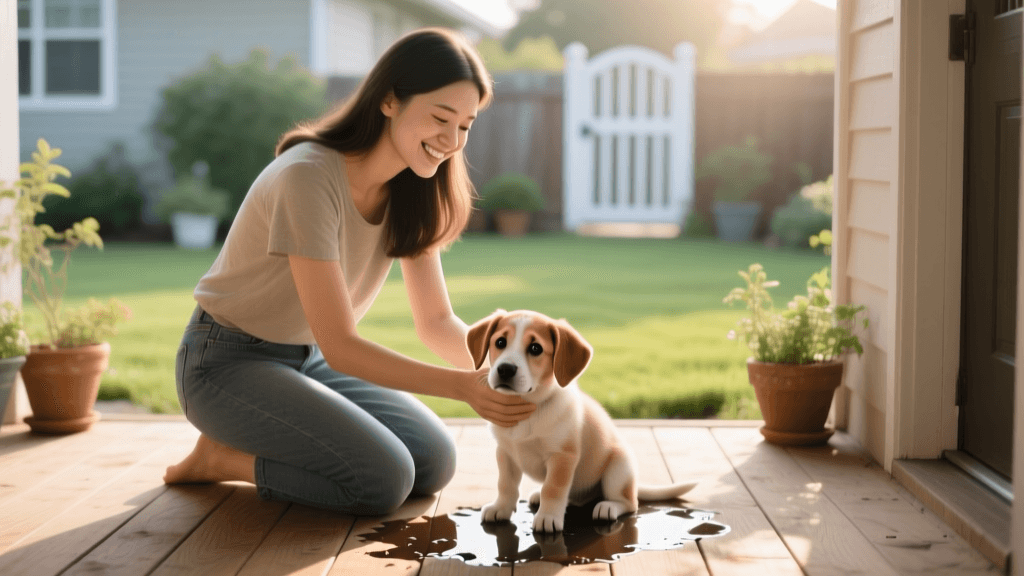
You have spent weeks diligently taking your puppy outside, rewarding every successful potty break, and finally, your floors are dry. Then, seemingly out of nowhere, your puppy starts having accidents in the house again. Potty training regression is one of the most frustrating hurdles in puppy ownership, but it is rarely a sign of defiance. Instead, it is a symptom of an underlying medical issue, environmental stressor, or a breakdown in routine. Understanding why this regression occurs is the first step toward fixing it. In this comprehensive guide, we will diagnose the root causes of puppy potty training regression and provide actionable, step-by-step solutions to get your puppy back on track.
Medical vs. Behavioral: Diagnosing the Root Cause
Before assuming your puppy is simply being stubborn or forgetting their training, you must rule out medical conditions. Puppies have developing immune systems and sensitive digestive tracts, making them prone to issues that directly impact bladder and bowel control.
Common Medical Culprits
- Urinary Tract Infections (UTIs): According to VCA Animal Hospitals, UTIs are incredibly common in young dogs. Symptoms include frequent squatting, straining to urinate, licking the genital area, and small puddles of urine indoors. A vet visit for a urinalysis typically costs between $50 and $150.
- Intestinal Parasites: Worms like giardia or coccidia can cause sudden diarrhea and bowel urgency, leading to indoor accidents. Annual fecal exams and deworming are essential.
- Spay/Neuter Incontinence: If your puppy was recently spayed, a drop in estrogen can sometimes lead to urethral sphincter mechanism incompetence (USMI), resulting in leaking while they sleep.
Behavioral and Environmental Triggers
If your veterinarian gives your puppy a clean bill of health, the regression is likely behavioral. Puppies thrive on predictability. Changes in the household, such as a new baby, a move, a change in your work schedule, or even a new piece of furniture, can cause anxiety. Anxiety triggers a fight-or-flight response, which can override a puppy's potty training. Furthermore, puppies going through fear periods (typically around 8-10 weeks and again at 6-14 months) may suddenly become terrified of the yard, the leash, or the door, refusing to go outside to potty.
The Regression Trigger Matrix
Identifying the specific trigger is crucial for applying the correct solution. Use the table below to diagnose what might be causing your puppy's sudden indoor accidents.
| Trigger Category | Common Signs | Immediate Action Plan |
|---|---|---|
| Medical Issue (UTI/GI) | Straining, frequent small puddles, diarrhea, lethargy | Schedule vet visit; collect urine/stool sample |
| Routine Disruption | Accidents at unusual times; missed potty breaks | Reset schedule; use a timer for every 2 hours |
| Environmental Stress | Pacing, whining, accidents near doors or crates | Provide safe space; use calming pheromones (Adaptil) |
| Surface Preference | Only peeing on rugs, laundry, or specific textures | Remove rugs; block access; retrain on grass outside |
| Marking Behavior | Lifting leg on vertical objects; unneutered males | Supervise 100%; consider belly bands; consult vet |
The 4-Step Reset Protocol
Once you have identified the cause and addressed any medical needs, it is time to reset your puppy's potty training. Treat them as if they are an 8-week-old puppy who has never been outside before. The ASPCA emphasizes that consistency and positive reinforcement are the pillars of successful house training.
Step 1: Implement the 100% Supervision Rule
During a regression, your puppy loses the privilege of free-roaming. When inside, your puppy must be either in their crate, in a secure playpen, or tethered to you via a 4-to-6-foot leash. If you cannot actively watch them, they go in the crate. The general rule of thumb for crate time is one hour per month of age (e.g., a 3-month-old puppy can hold it for about 3 hours maximum). A properly sized crate should be large enough for them to stand, turn around, and lie down, but not so large that they can use one corner as a bathroom. MidWest Homes for Pets crates (approx. $40-$80) with adjustable divider panels are excellent for growing puppies.
Step 2: The 3-Second Reward Window
When you take your puppy outside, use a consistent cue word like 'Go Potty.' The moment they finish eliminating, you have exactly three seconds to deliver a high-value reward. Do not wait until you go back inside; rewarding indoors teaches the puppy that coming inside is what earns the treat. Use soft, smelly treats like Zuke's Mini Naturals or boiled chicken breast. The American Kennel Club (AKC) notes that immediate positive reinforcement builds a strong neurological association between the act of eliminating outside and receiving a reward.
Step 3: Eradicate Scent Markers with Enzymatic Cleaners
Standard household cleaners, especially those containing ammonia, will not break down the uric acid crystals in dog urine. In fact, ammonia smells like urine to a dog, which invites them to soil the same spot again. You must use a dedicated enzymatic cleaner. These cleaners contain live bacteria that literally eat the organic matter causing the odor.
- Top Product Picks: Nature's Miracle Advanced Stain and Odor Eliminator ($15-$20) or Rocco & Roxie Stain & Odor Eliminator ($20-$25).
- Application Protocol: Blot up fresh urine with paper towels. Saturate the area completely with the enzymatic cleaner, ensuring it soaks into the carpet pad. Let it sit for 10-15 minutes, then blot dry. Allow it to air dry completely (which can take up to 24 hours). Keep the puppy away from the area while it dries.
Step 4: Interrupt, Don't Punish
If you catch your puppy in the act of having an accident indoors, do not yell, rub their nose in it, or hit them. Punishment creates fear, teaching the puppy to hide behind the sofa to potty rather than teaching them to go outside. Instead, use a neutral interrupter like a sharp 'Oops!' or a quick clap, immediately scoop them up, and carry them outside to finish. If they finish outside, reward them heavily.
Sample Daily Reset Schedule
To rebuild bladder control and routine, implement a strict daily schedule. This removes the guesswork for your puppy and prevents accidents before they happen.
- 7:00 AM: Wake up, immediately carry puppy outside to potty. Reward.
- 7:15 AM: Breakfast. (Remove food bowl after 15 minutes to regulate digestion).
- 7:45 AM: Outside for potty and 15 minutes of supervised play.
- 8:30 AM: Crate time or nap while owner works.
- 10:30 AM: Outside for potty, then 10 minutes of training/play.
- 11:00 AM: Crate time or nap.
- 1:00 PM: Outside for potty, lunch (if feeding 3x a day), and play.
- 2:00 PM: Crate time or nap.
- 4:00 PM: Outside for potty, chew time (e.g., Kong Classic stuffed with peanut butter).
- 6:00 PM: Dinner, followed by outside potty break 20 minutes later.
- 8:00 PM: Water bowl removed to prevent overnight accidents.
- 9:30 PM: Final potty break, then into the crate for the night.
When to Seek Professional Help
If you have strictly followed the reset protocol for three weeks, ruled out all medical issues with your veterinarian, and your puppy is still having daily accidents, it is time to consult a certified professional. Look for a Certified Professional Dog Trainer (CPDT-KA) or a Veterinary Behaviorist. They can observe your specific environment, identify subtle stress signals you might be missing, and tailor a behavior modification plan to your puppy's unique needs. Remember, regression is a normal part of the developmental process. With patience, rigorous management, and positive reinforcement, your puppy will relearn their potty manners and your floors will stay dry once again.
robin-maitland
All our authors care for dogs every day — read more of their work on the authors page.