Navigating Puppy Fear Periods: An Expert Behavior Guide
Learn how to navigate your puppy's fear periods with expert behavior analysis. Discover timelines, desensitization techniques, and socialization tips.

The Evolutionary Purpose of Canine Fear Periods
From the perspective of applied animal behavior, a puppy’s fear period is not a psychological flaw; it is a highly adaptive evolutionary survival mechanism. In the wild, a young canid’s survival depends on its ability to recognize and avoid novel threats as it begins to explore beyond the immediate safety of the den. During these specific developmental windows, the amygdala—the brain’s fear-processing center—becomes hyper-reactive. Experiences encountered during these periods are deeply imprinted, meaning a single traumatic event can lead to lifelong phobias, while positive, structured exposures build profound environmental resilience.
According to the American Veterinary Society of Animal Behavior (AVSAB), understanding these neurological windows is critical for preventing behavioral euthanasia, which remains a leading cause of death for dogs under three years old. As a puppy owner, your role is to act as a behavioral buffer, managing the environment to ensure that novel stimuli are processed as neutral or positive rather than threatening.
Timeline of the Canine Fear Periods
The First Fear Impact Period: 8 to 11 Weeks
This window notoriously coincides with the time most puppies are separated from their littermates and brought into a new home. Evolutionarily, this is the exact moment a wild pup would begin stepping outside the den, making an innate sense of caution necessary to avoid predators. During this 8 to 11-week window, puppies are highly impressionable. A harsh correction, a terrifying encounter with an aggressive adult dog, or an overwhelming environment (like a crowded dog park) can cause severe sensitization.
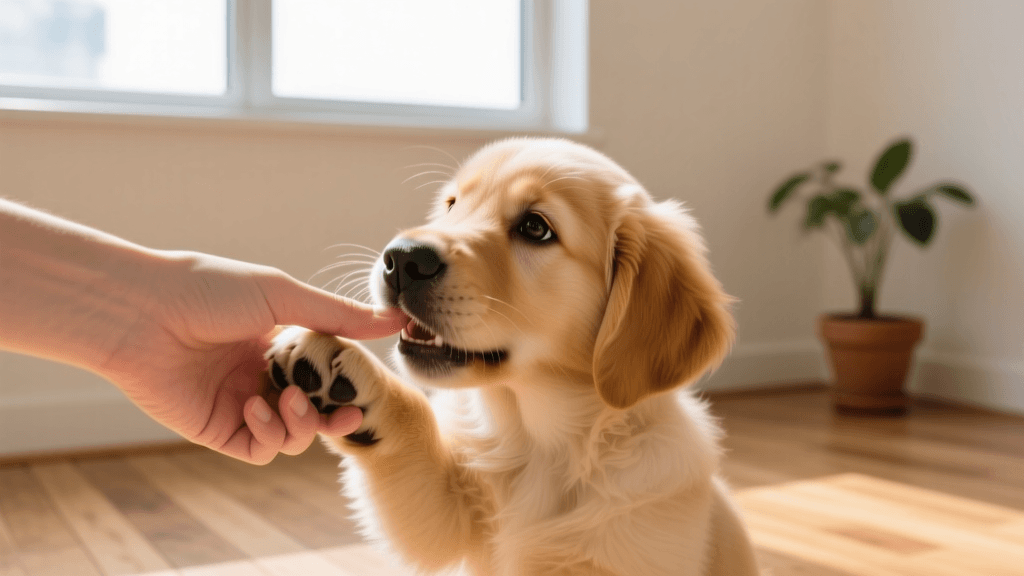
Behavioral Action Plan: Avoid forced interactions. Do not allow strangers to loom over or forcefully handle your puppy. Instead, practice “consent-based” socialization. Let the puppy observe the world from a safe distance, such as sitting on a park bench or being carried in a sling. Use high-value, easily digestible treats like Zuke’s Mini Naturals (approx. $6 per 16oz bag) to create positive classical associations with distant noises, strange surfaces, and unfamiliar people.
The Second Fear Impact Period: 6 to 14 Months
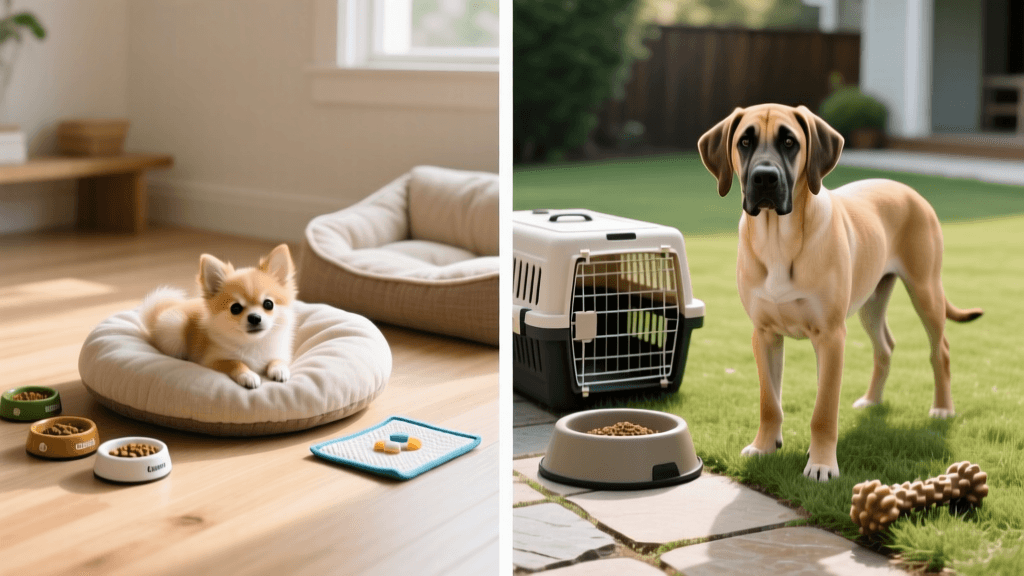
Often catching owners off guard, the second fear period occurs during adolescence and coincides with sexual maturity and the drive for independence. The exact timing varies significantly by breed size; small breeds may experience this as early as 6 months, while giant breeds might not enter this phase until 14 months. During this time, a previously confident puppy may suddenly exhibit extreme reactivity or fear toward familiar objects, such as a trash can or a neighbor’s hat.
Behavioral Action Plan: Never force a fearful adolescent to “face their fears.” Flooding (forcing exposure to a fear-inducing stimulus until the dog stops reacting) is an outdated and psychologically damaging technique that often results in learned helplessness or defensive aggression. Instead, respect the dog’s threshold and utilize systematic desensitization.
Behavioral Analysis: Decoding Canine Stress Signals
To effectively navigate fear periods, you must become fluent in canine body language. Many owners mistake early stress signals for stubbornness or disobedience. Recognizing these micro-expressions allows you to remove the puppy from a stressful situation before the fear escalates into a full-blown panic response or reactive outburst.
| Behavioral Cue | Stress Signal (Fear/Anxiety) | Normal/Relaxed Behavior |
|---|---|---|
| Mouth & Lips | Rapid lip licking, yawning when not tired, tight commissures | Soft, open mouth, relaxed panting |
| Eyes | “Whale eye” (showing whites), hard staring, dilated pupils | Soft gaze, blinking, relaxed facial muscles |
| Body Posture | Freezing, cowering, tucked tail, shifting weight backward | Loose, wiggly body, neutral or wagging tail |
| Vocalization | High-pitched whining, sudden barking at a distance | Play bows, relaxed grunts, quiet observation |
Expert Protocols for Navigating Fear Periods
1. The Engage-Disengage Game
Developed by behaviorists to help reactive and fearful dogs, this game rewires the puppy’s emotional response to triggers. Step 1 (Engage): Stand at a sub-threshold distance from a trigger (e.g., 20 feet away from a loud garbage truck). The moment the puppy looks at the truck, mark the behavior with a calm “yes” or a clicker. Step 2 (Disengage): Deliver a high-value reward (like freeze-dried beef liver) within 0.5 seconds. The puppy will eventually learn to look at the trigger and immediately turn back to you for a treat, shifting the brain from an amygdala-driven fear response to a prefrontal cortex-driven operant choice.
2. Environmental Decompression
After a stressful veterinary visit or a loud thunderstorm, a puppy’s cortisol levels can remain elevated for up to 72 hours. During a fear period, this recovery time can be even longer. Create a dedicated decompression zone. Use a Fear Free Pets approved setup: a covered crate (such as the MidWest iCrate, 24x18x19 inches for small breeds, approx. $35) placed in a quiet, low-traffic room. Introduce a snuffle mat (e.g., Paw5 Wooly Snuffle Mat, approx. $45) to encourage natural foraging behaviors, which have been scientifically proven to lower canine heart rates and promote parasympathetic nervous system activation.
3. Classical Counterconditioning (CCC)
CCC changes the underlying emotional response to a stimulus. If your puppy is fearful of men wearing hats, the protocol is simple: the appearance of the hat predicts the arrival of roasted chicken. The hat must appear before the chicken, and the chicken must disappear when the hat is out of sight. Over time, the puppy’s classical conditioning shifts from “Hat = Danger” to “Hat = Chicken.”
Essential Tools and Budgeting for Behavior Modification
Successfully managing a fearful puppy requires the right equipment. Here is a behaviorist’s recommended toolkit for the first year:
- Long Line (15-20 ft): Mendota Products Biothane Long Line ($28). Gives the puppy freedom to explore and retreat without the pressure of a short leash, which can increase frustration and fear.
- Pheromone Therapy: Adaptil Junior Calming Pheromone Collar ($25). Releases synthetic dog-appeasing pheromones (DAP) that mimic those produced by a nursing mother, providing a baseline of neurological comfort during the first fear period.
- High-Value Treat Pouch: Doggone Good Rapid Rewards Pouch ($15). Allows for rapid treat delivery, which is critical for classical conditioning timing.
- Calming Supplements: Zylkene or Solliquin (approx. $30-$40/month). Nutraceuticals containing L-theanine and casein derivatives that support GABA receptors in the brain, helping to raise the puppy’s overall stress threshold.
Common Mistakes That Amplify Fear
As noted by the American Kennel Club (AKC), well-meaning owners often inadvertently worsen fear periods by misinterpreting the behavior. The most common mistakes include:
- Forcing Socialization: Pushing a fearful puppy toward a stranger or another dog to “show them it’s safe.” This destroys trust and confirms the puppy’s fear that you will not protect them.
- Consoling with High-Pitched Praise: While you should never punish fear, frantically petting and baby-talking a terrified puppy can reinforce the panic state. Instead, offer calm, deep-pressure massage and quiet, steady breathing to help co-regulate their nervous system.
- Skipping Veterinary Care: Avoiding the vet because the puppy is in a fear period is dangerous for their physical health. Instead, schedule “happy visits” where the puppy simply walks in, gets fed boiled chicken by the staff, and leaves without any medical procedures.
Conclusion
Navigating your puppy’s fear periods requires patience, observation, and a solid understanding of canine behavioral science. By respecting their thresholds, utilizing classical counterconditioning, and providing a safe environment for decompression, you are not just surviving a difficult developmental phase—you are actively building a confident, resilient, and emotionally stable adult dog. Remember that behavior modification is a marathon, not a sprint; celebrate the micro-victories and always prioritize your puppy’s emotional well-being over forced social milestones.
robin-maitland
All our authors care for dogs every day — read more of their work on the authors page.