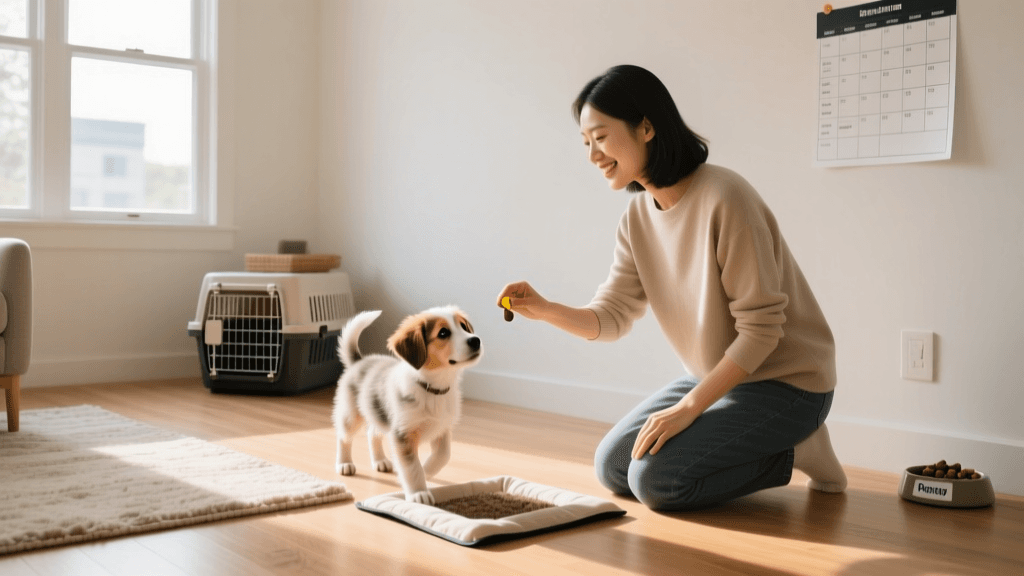
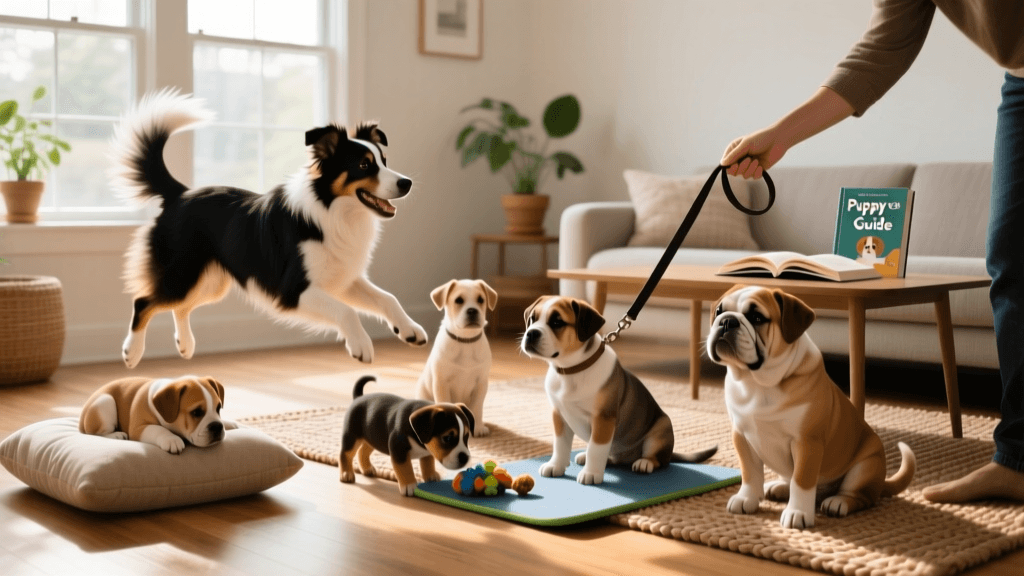
Puppy Bite Inhibition: Expert Behavior Training Guide
Learn expert behavior analysis techniques for puppy bite inhibition. Discover teething timelines, redirection strategies, and training milestones.
The Ethology of Puppy Mouthing and Bite Inhibition
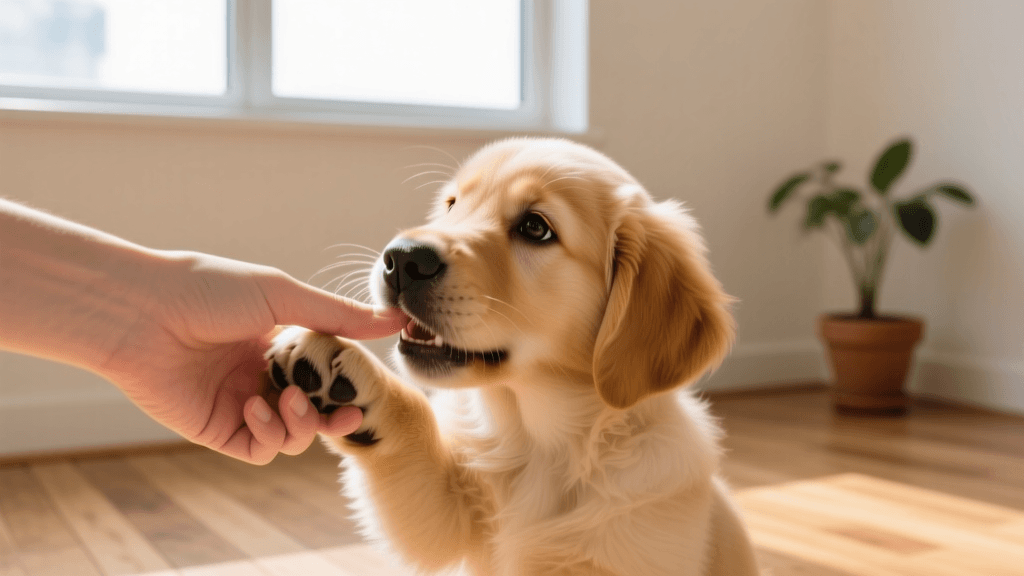
Welcome to Paws-Tales. As a core component of early puppy care, understanding and managing puppy biting is one of the most common challenges new dog owners face. From an expert behavior analysis perspective, mouthing is not an act of aggression or dominance; it is a vital developmental behavior. Puppies explore their environment using their mouths much like human infants use their hands. Furthermore, the process of developing "bite inhibition"—the ability to control the force of a mouthing behavior—is a critical social skill that must be established before the puppy reaches adulthood.
When a puppy is raised with its littermates, the feedback loop is immediate and natural. If one puppy bites another too hard, the victim yelps and stops playing. This negative punishment (the removal of play) teaches the biter that hard bites result in the cessation of fun. When a puppy transitions to a human home between 8 and 12 weeks of age, the human family must step into this educational role. Failure to establish bite inhibition during the primary socialization window can lead to severe behavioral complications later in life, as an adult dog that bites without pressure modulation poses a significant safety risk.
The Science of Bite Inhibition: Ethology and Development
Bite inhibition is fundamentally different from bite suppression. Suppression involves using aversive stimuli to stop the dog from using its mouth entirely. While this might seem desirable to a frustrated owner, behaviorists warn against it. A dog that has been taught to suppress its bite entirely may skip vital warning signals (such as growling or stiffening) and proceed directly to a full-force bite when pushed past its threshold. In contrast, bite inhibition teaches the dog to use a "soft mouth" when interacting with human skin, preserving their natural communication ladder while ensuring human safety.
According to the American Veterinary Society of Animal Behavior (AVSAB), the primary socialization period for puppies closes around 12 to 14 weeks of age. During this critical neurological window, puppies are highly receptive to learning the boundaries of social play. It is imperative that owners utilize force-free, reward-based methods to shape the puppy's jaw pressure before this window closes and the dog enters the more fear-prone juvenile stages.
The Canine Teething and Mouthing Timeline
Understanding the physiological drivers behind your puppy's biting is essential for setting realistic expectations. Teething causes significant gingival discomfort, which drives the puppy to seek out textured objects to chew on to relieve the pressure of erupting adult teeth.
| Age Range | Developmental Stage | Bite Pressure | Recommended Intervention |
|---|---|---|---|
| 3 - 6 Weeks | Deciduous (baby) teeth erupt. Littermate play begins. | High frequency, low to medium force. | Allow littermate correction; minimize human hand play. |
| 8 - 12 Weeks | Transition to human home. Peak socialization window. | Medium frequency, testing human thresholds. | Implement DRI (Differential Reinforcement) and time-outs. |
| 3 - 6 Months | Adult teeth erupt. Intense gingival discomfort. | Variable force, high chewing drive. | Provide frozen chew toys, textured rubber, and ropes. |
| 6 - 12 Months | Adult teeth fully set. Behavioral testing phase. | Low frequency, but high potential force. | Reinforce soft mouth; redirect to structured fetch/tug. |
Expert Behavior Modification Protocols
To effectively modify puppy biting, we must apply the principles of operant conditioning. Relying on physical corrections or loud scolding often increases a puppy's arousal levels, inadvertently reinforcing the biting behavior or triggering a fear response. Instead, certified behavior analysts recommend the following protocols.
Protocol 1: Negative Punishment and Structured Time-Outs
Negative punishment involves removing a desired stimulus to decrease the frequency of a behavior. In the context of puppy biting, the desired stimulus is your attention and the continuation of play. When the puppy's teeth make contact with human skin or clothing, immediately emit a calm, neutral marker word such as "Too bad" or a simple "Oops." Instantly withdraw all attention by standing up, crossing your arms, and looking away. If the puppy persists, escalate to a structured time-out.
A time-out is not a punitive isolation; it is a brief period of arousal reduction. Guide the puppy into a boring, puppy-proofed pen or a small bathroom for exactly 30 to 60 seconds. This brief interruption breaks the behavioral loop and allows the puppy's nervous system to down-regulate. Consistency is paramount; every single family member must enforce the exact same consequence for skin contact.
Protocol 2: Differential Reinforcement of Incompatible Behavior (DRI)
DRI involves reinforcing a behavior that is physically incompatible with the unwanted behavior. A puppy cannot bite your hand if it is biting an appropriate chew toy. Keep a high-value toy, such as a KONG Classic (approximate cost: $15-$20), stuffed with frozen dog-safe peanut butter or plain yogurt, readily accessible. When the puppy approaches with high arousal and an open mouth, preemptively present the KONG. Mark the moment the puppy's teeth touch the rubber with a clicker or a verbal "Yes!" and allow them to consume the frozen reward. This builds a strong positive reinforcement history for choosing appropriate outlets.
Environmental Management and Arousal Control
Behavior modification cannot succeed in an unmanaged environment. Puppies often bite most intensely when they are overtired or overstimulated. Much like human toddlers, puppies lack the emotional regulation to self-soothe when their arousal threshold is breached. Implementing a strict nap schedule is a foundational management tool. A puppy typically requires 18 to 20 hours of sleep per day. If your puppy has been awake for more than 90 minutes and begins to exhibit frantic mouthing, they are likely exhausted. Utilizing a crate or an exercise pen (cost: $50-$100) to enforce a nap will often result in the cessation of biting once the puppy wakes up refreshed.
Additionally, avoid games that involve wrestling or encouraging the puppy to lunge at your hands. While tug-of-war is an excellent game for building confidence and impulse control, it must be played with strict rules. The American Kennel Club (AKC) recommends teaching a solid "drop it" cue before engaging in tug, ensuring the game remains structured and the human controls the initiation and termination of the play.
Chew Toy Analysis: Texture, Durability, and Behavioral Benefit
Selecting the correct chew toy is a critical component of teething management. The toy must satisfy the puppy's urge to gnaw while protecting their developing teeth from fractures. Below is a behavioral and physical analysis of common chew options.
| Chew Toy Type | Material | Durability | Behavioral Benefit | Safety Risk |
|---|---|---|---|---|
| KONG Classic (Red/Blue) | Vulcanized Rubber | High | Provides mental enrichment via food stuffing; soothes gums. | Low, if sized correctly to prevent swallowing. |
| Nylabone Puppy Chew | Soft Thermoplastic Polymer | Medium | Satisfies the mechanical urge to gnaw; textured for plaque. | Medium; must be discarded when worn down to a choking hazard. |
| Bully Sticks | Dried Beef Pizzle | Medium-High | High-value consumable; promotes prolonged, calming chewing. | High calorie density; risk of gastrointestinal blockage if swallowed whole. |
| Frozen Carrots | Organic Vegetable | Low (Consumable) | Cold temperature numbs teething pain; low calorie. | Choking hazard if the puppy attempts to swallow large chunks. |
The Dangers of Aversive Techniques
Historically, some training methodologies advocated for physical corrections to stop puppy biting, such as holding the muzzle shut, performing "alpha rolls," or tapping the puppy on the nose. Modern veterinary behaviorists strongly advise against these practices. Aversive techniques do not teach the puppy what to do; they only teach the puppy to fear the handler. This can lead to defensive aggression, where the puppy learns to bite harder and without warning to make the threatening handler retreat.
"Punishment can suppress the warning signs of aggression, making the dog more likely to bite without warning in the future. Force-free, reward-based training is the safest and most effective method for addressing puppy nipping and rough play."
— Adapted from guidelines by the Humane Society of the United States
Instead of punishing the bite, we must manage the environment, fulfill the puppy's biological need to chew, and consistently reinforce soft-mouth interactions.
When to Consult a Veterinary Behaviorist
While the vast majority of puppy biting is a normal developmental phase that resolves with consistent management and maturation, there are red flags that warrant professional intervention. If your puppy exhibits stiff body language, hard staring, or deep growling prior to biting, or if the bites are consistently forceful enough to break the skin and draw blood despite weeks of consistent DRI and time-out protocols, it is time to seek help. A certified veterinary behaviorist or a board-certified professional dog trainer (CPDT-KA) can conduct a functional behavior assessment to rule out underlying medical issues, such as neurological pain or resource guarding, and develop a customized behavior modification plan to ensure the safety of your household and the long-term welfare of your dog.
priya-sutaria
All our authors care for dogs every day — read more of their work on the authors page.