Puppy Fear Periods: Understanding Behavior and Care
Learn how to navigate puppy fear periods with our life stage care guide. Understand canine behavioral development and actionable socialization tips.

Understanding the Canine Fear Periods: A Life Stage Care Guide
Raising a puppy is an extraordinary journey filled with milestones, joyful discoveries, and inevitable challenges. As a core component of our Life Stage Care Guides, understanding the psychological and behavioral shifts your dog experiences is crucial for building a lifelong bond. One of the most misunderstood phases in canine behavioral development is the fear period. These distinct developmental windows can dramatically alter how your dog perceives the world, making your response as an owner critical to their long-term emotional stability.
According to the American Kennel Club (AKC), proper socialization and understanding of these sensitive periods are the foundations of a well-adjusted adult dog. In this comprehensive guide, we will explore the psychology behind canine fear periods, identify the exact timing of these life stages, and provide actionable, measurable care strategies to help your puppy navigate the world with confidence.
The Evolutionary Psychology Behind Fear Periods
To truly understand your dog, you must look at their behavior through an evolutionary lens. Fear periods are not a flaw in canine development; they are a vital survival mechanism. In the wild, a young canid must learn quickly what is dangerous in their environment to avoid predators and fatal mistakes. The brain's amygdala—the region responsible for processing fear and emotional responses—becomes highly reactive during these specific developmental windows.
During a fear period, a single traumatic event can result in single-event learning, where the puppy forms a permanent negative association with a specific stimulus. Understanding this psychological vulnerability allows owners to shift their training approach from standard obedience to proactive environmental management and counter-conditioning.
The First Fear Period: 8 to 11 Weeks
The first fear period typically occurs between 8 and 11 weeks of age. This timeline is particularly significant because it coincides with the puppy leaving their litter and transitioning to a new home. The sudden change in environment, combined with heightened neurological sensitivity, means that negative experiences during this window can have lasting impacts.
Actionable Care and Management
During this first window, the primary goal is to prevent trauma while gently encouraging exploration. The ASPCA emphasizes that puppies should never be forced into frightening situations. Instead, utilize high-value reinforcement to build positive associations.
- Timing: Keep socialization sessions brief, lasting no more than 10 to 15 minutes to prevent cognitive overload.
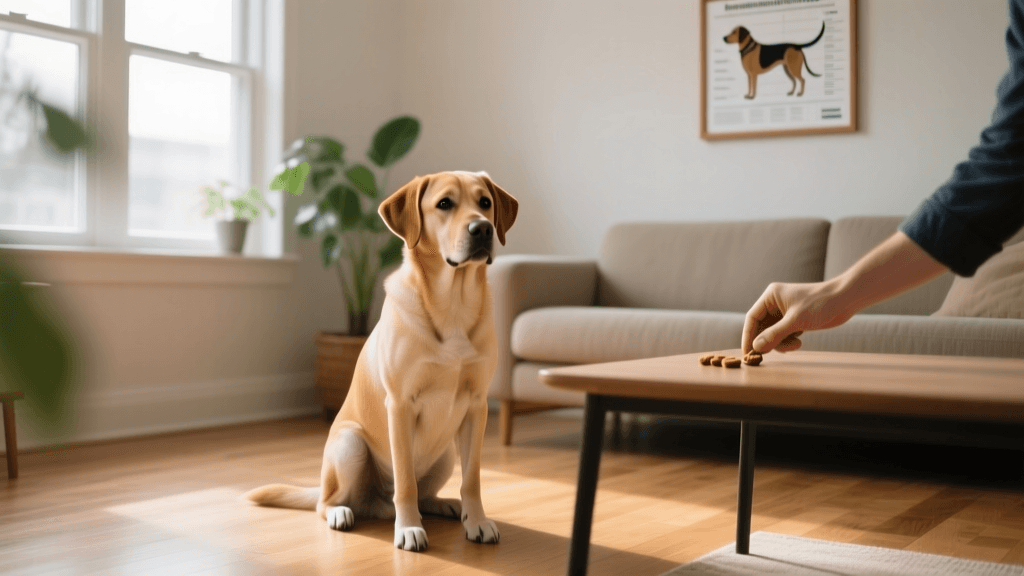
- Measurements: Use training treats that are no larger than a pea (approximately 1 to 2 grams) to avoid rapid satiation while maintaining a high reinforcement rate.
- Environment: Introduce novel sounds (like vacuums or thunderstorms) at a very low volume, pairing the sound with a long-lasting chew toy to create a positive emotional response.
The Second Fear Period: 6 to 14 Months
Often catching owners completely off guard, the second fear period arises during canine adolescence, typically between 6 and 14 months of age. This period is highly variable depending on the breed and individual maturation rate. A puppy who was previously confident and outgoing may suddenly become hesitant, reactive, or fearful of familiar objects, strangers, or environments.
Behavioral Shifts and Hormonal Influences
As your dog's brain undergoes significant restructuring during adolescence, hormonal fluctuations can exacerbate anxiety. The prefrontal cortex, which governs impulse control and rational decision-making, is still developing, leaving the amygdala to drive emotional responses. The American Veterinary Medical Association (AVMA) notes that adolescent dogs require immense patience and a regression to foundational training techniques to maintain behavioral stability.
If your adolescent dog suddenly refuses to walk past a garbage can they have ignored for months, do not punish or drag them. Acknowledge the fear, increase your distance from the trigger, and reward them for disengaging calmly.
Life Stage Care Toolkit: Products and Costs
Equipping yourself with the right tools can significantly ease the burden of navigating these sensitive life stages. Below is a structured breakdown of recommended products, their specific use cases, and estimated costs to help you budget for your puppy's behavioral care.
| Life Stage | Recommended Product | Specific Use Case | Estimated Cost |
|---|---|---|---|
| First Fear Period (8-11 Weeks) | Zuke's Mini Naturals | High-value, low-calorie (under 3 calories each) treats for rapid counter-conditioning. | $6 - $8 per 16oz bag |
| First Fear Period (8-11 Weeks) | Snuffle Mat (Wool Fleece) | Encourages natural foraging instincts to lower heart rate in new environments. | $20 - $35 |
| Second Fear Period (6-14 Months) | Adaptil Junior Collar | Releases synthetic dog-appeasing pheromones to reduce adolescent anxiety. | $20 - $30 (Lasts 30 days) |
| Second Fear Period (6-14 Months) | Thundershirt Classic | Provides gentle, constant pressure to calm the nervous system during environmental triggers. | $40 - $50 |
| All Stages | KONG Classic (Red Rubber) | Stuff with frozen bone broth and kibble to promote licking, which releases endorphins. | $15 - $20 |
Step-by-Step Counter-Conditioning Protocol
When your puppy exhibits fear, forcing them to confront the trigger (a technique known as flooding) is highly counterproductive and can deepen the psychological trauma. Instead, utilize the Engage-Disengage game, a scientifically backed protocol for rewiring the canine brain's response to fear-inducing stimuli.
The Engage-Disengage Game
- Find the Threshold: Identify the exact distance at which your dog notices the trigger but remains under their fear threshold (e.g., they look at the trigger but will still accept a treat). This might be 20 feet away from a loud construction site.
- Mark and Reward (Engage): The moment your dog looks at the trigger, use a marker word like 'Yes' or a clicker, then immediately deliver a high-value treat. This teaches the dog that the appearance of the scary thing predicts a reward.
- Wait for Disengagement: After several repetitions, wait for your dog to look at the trigger and then voluntarily turn their head back toward you. Mark and reward this choice heavily.
- Decrease Distance Gradually: Only move closer to the trigger (e.g., from 20 feet to 15 feet) when your dog is consistently offering voluntary disengagement and showing relaxed body language, such as a loose wagging tail and soft ears.
Patience during a fear period is not just about avoiding trauma; it is about actively rewiring the canine brain for lifelong resilience. Let your dog set the pace of their own recovery.
Common Mistakes to Avoid During Fear Periods
Even the most well-intentioned owners can inadvertently reinforce fear responses. Avoid these common pitfalls to ensure your life stage care plan remains effective:
- Coddling the Fear: While you should comfort your dog, speaking in a high-pitched, panicked voice can validate their fear. Use a calm, grounded, and soothing tone.
- Forcing Interactions: Never allow strangers to force physical contact on a hesitant puppy. Advocate for your dog by asking strangers to ignore the puppy until the puppy initiates contact.
- Over-Socialization: More is not always better. A 10-minute positive encounter with a novel stimulus is vastly superior to a two-hour overwhelming experience at a crowded dog park.
Conclusion
Navigating your dog's fear periods requires a blend of empathy, scientific understanding, and strategic environmental management. By recognizing the timing of these critical life stages, utilizing targeted behavioral tools, and respecting your dog's psychological limits, you lay the groundwork for a confident, resilient, and deeply bonded companion. Remember that behavioral development is a marathon, not a sprint, and your consistent support during these vulnerable windows will shape your dog's worldview for years to come.
priya-sutaria
All our authors care for dogs every day — read more of their work on the authors page.